
19 Wavy Hairstyles That Keep Their Shape for Women Over 50
Wavy hair after 50 tends to lose its pattern before it loses its length. The waves are still there, but they hang looser, and the ends frizz where they once curled. The fix is nearly always in the cut, not in more product.
Layers placed in the right spot let the waves stack on top of each other, which brings back the bounce that gravity flattens. Shorter lengths lift texture off the shoulders where it gets crushed. Below are the wavy styles stylists recommend most for this stage, from the collarbone lob that dominates salon requests to a few sleek evening options.
Wavy Lob

Collarbone-length hair with soft waves through the bottom half is the most requested wavy cut for a reason. The length is long enough to move and short enough to keep its shape. Light layers at the ends stop the waves from clumping into one heavy curve.
Scrunch in a sea-salt spray on damp hair and let it dry on its own. A one-inch curling wand refreshes the ends on day two.
Chin-Length Wavy Bob
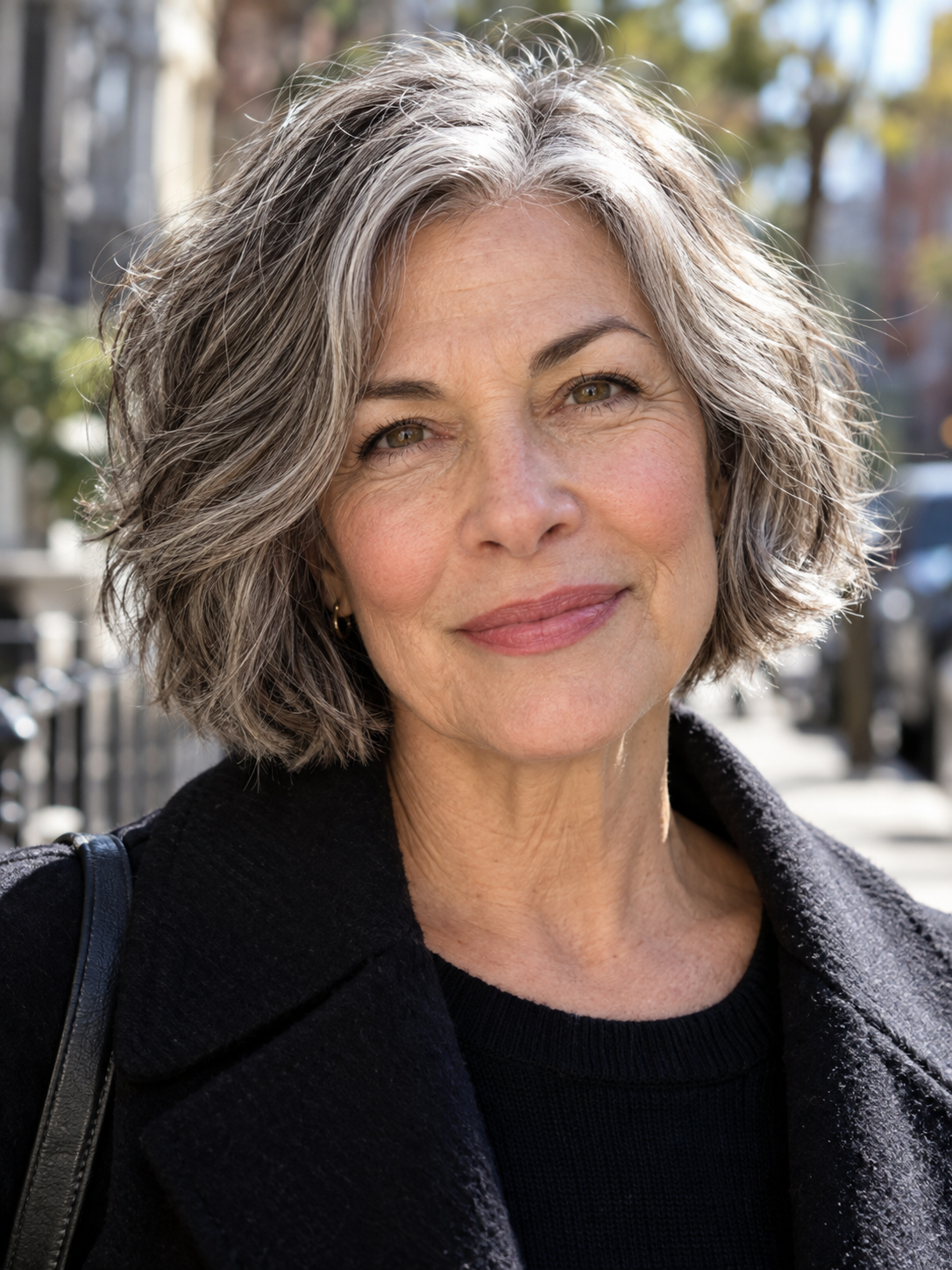
Waves on a chin-length bob create a rounded, full silhouette that hides thinner spots at the crown. The hair is cut one length with the ends slightly textured so the waves separate. Wrap sections around a wand away from the face, leaving the last inch out.
Rake through with fingers rather than a brush. A pea-sized amount of curl cream on the ends keeps the pattern from puffing out in humidity.
Beach Waves on Long Layers
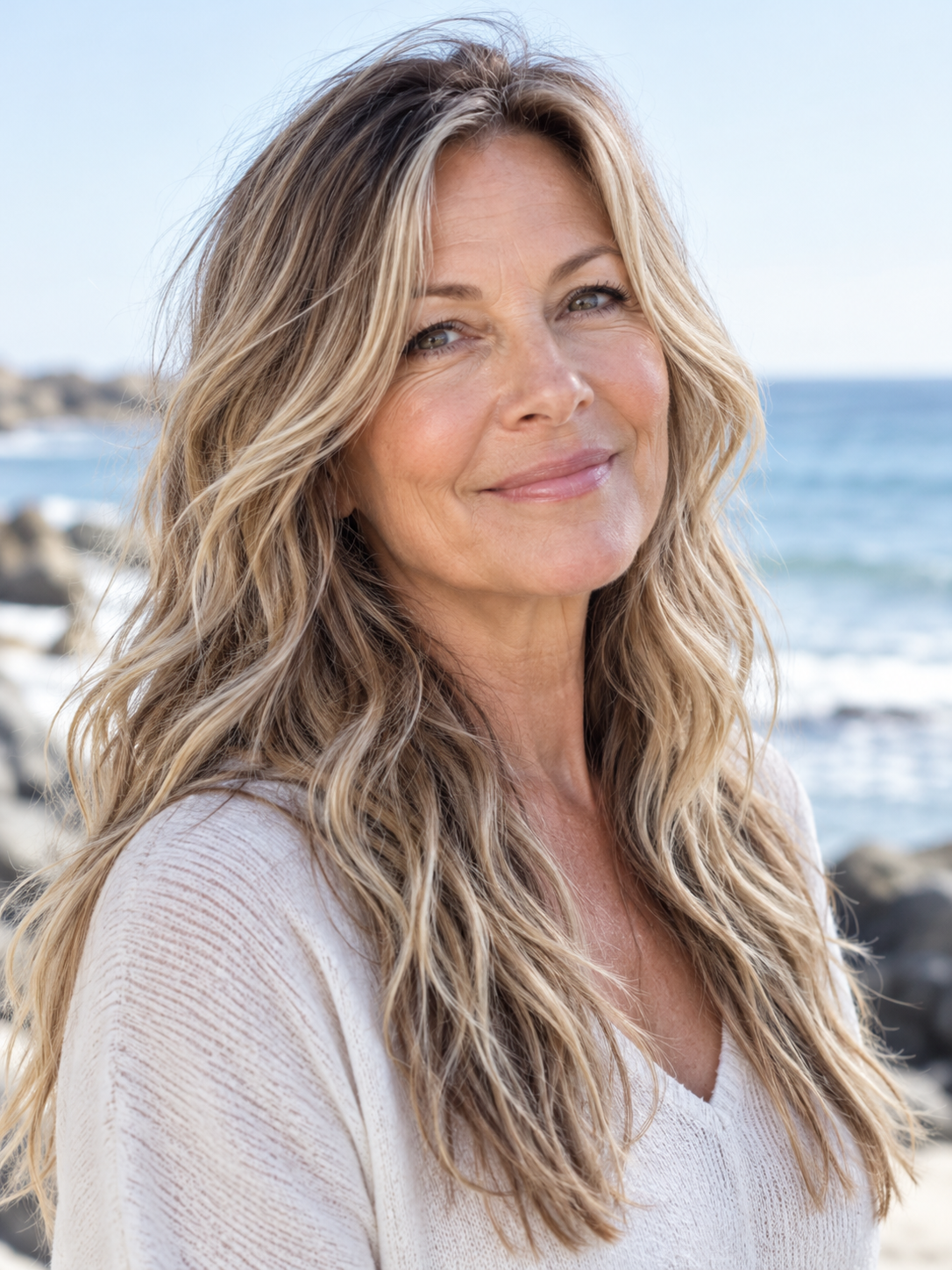
Long hair with layers starting below the chin can carry loose, undone waves without looking flat. The layers give the waves a place to break, so the length moves in sections instead of one sheet.
Mist a heat protectant, then wave random sections with a wide-barrel iron, alternating direction. Skip the bottom two inches for a lived-in finish. Spray lightly with a flexible hold product and shake it out.
Wavy Pixie

A short pixie cut to let the natural wave sit on top brings texture to a cut that is often worn sleek. The sides and back stay cropped close while the top keeps two to three inches of wavy length.
Dry with a diffuser on low and press the top into place with a little light paste. It looks intentional even when slept on. Trims every five weeks keep the proportions right.
Medium Wavy Shag
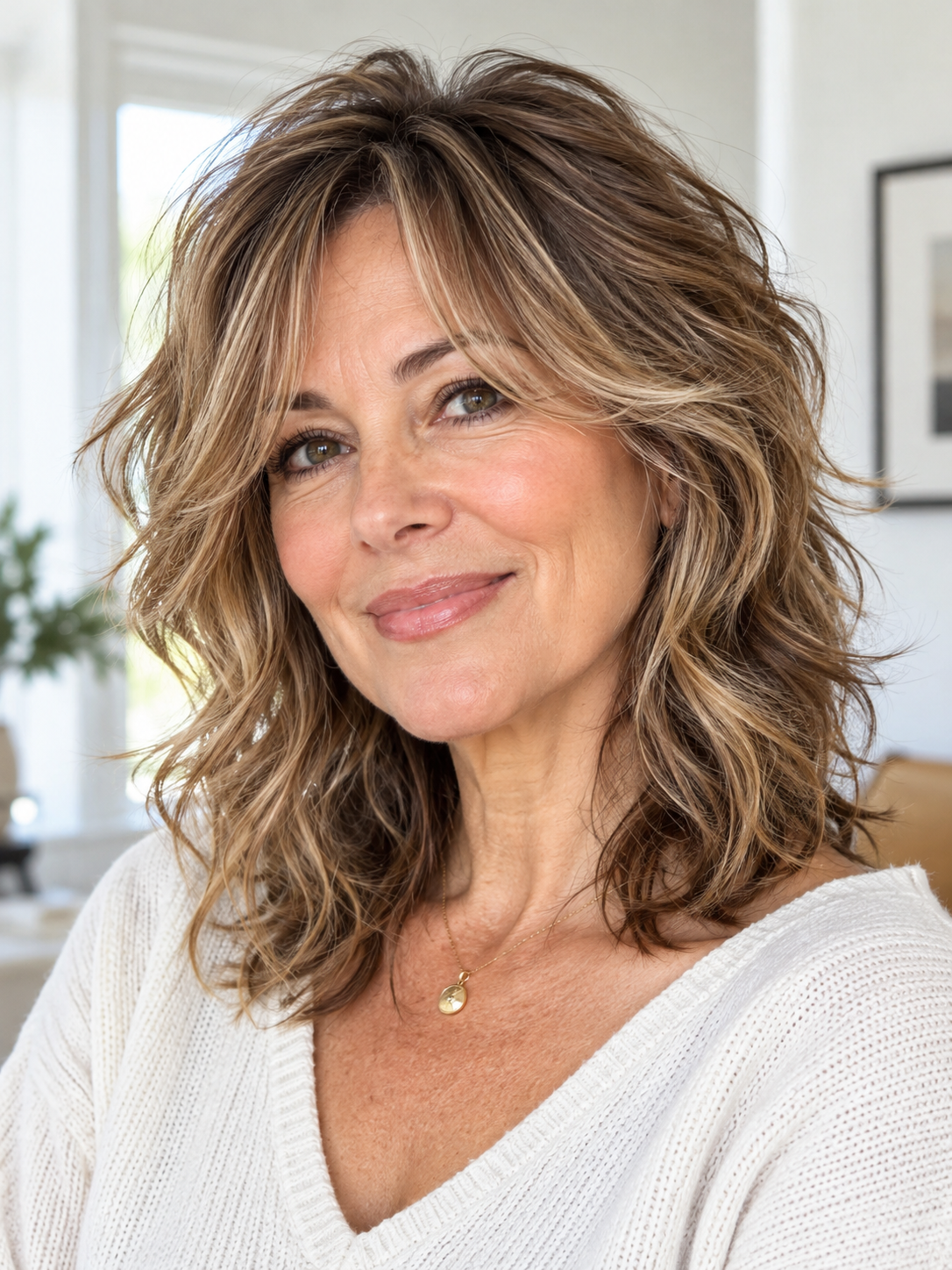
Short layers at the crown and longer, feathered layers at the shoulder let waves lift from the root and fall in soft steps. The shag was built for texture, and waves fill out every layer. Air-dry with a mousse scrunched in from mid-length down.
The crown lifts on its own with the extra layering. Wispy curtain pieces at the front are optional and soften the forehead without a full fringe.
Curtain Bangs with Loose Waves
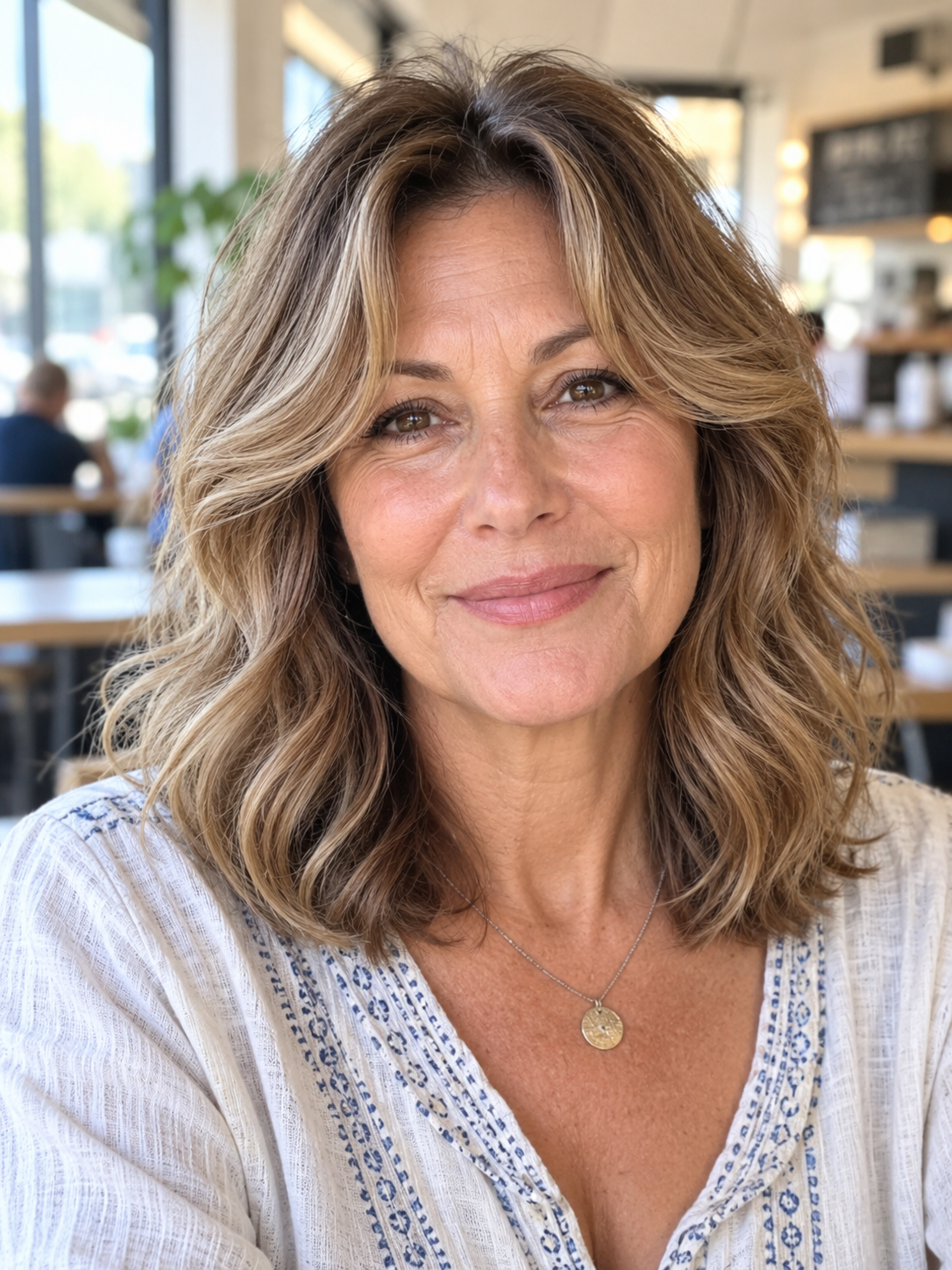
Bangs that split at the center and sweep toward the cheekbones pair naturally with shoulder-length waves. The fringe falls in the same soft curve as the rest of the hair, so nothing looks disconnected.
Blow-dry the bangs with a round brush rolling outward, then let the lengths air-dry wavy. Use a light cream on the fringe only to keep it from separating into stringy pieces by midday.
Wavy French Bob with Bangs

Jaw-length hair with a blunt fringe and a soft bend through the sides gives the French bob a looser feel. The bangs stay fairly straight while the rest of the hair waves gently. The contrast between the two keeps the cut from looking too neat.
Wave only the sections below the cheekbones. Keep the fringe trimmed to the brow every four weeks so it does not overwhelm the eyes.
Half-Up Waves
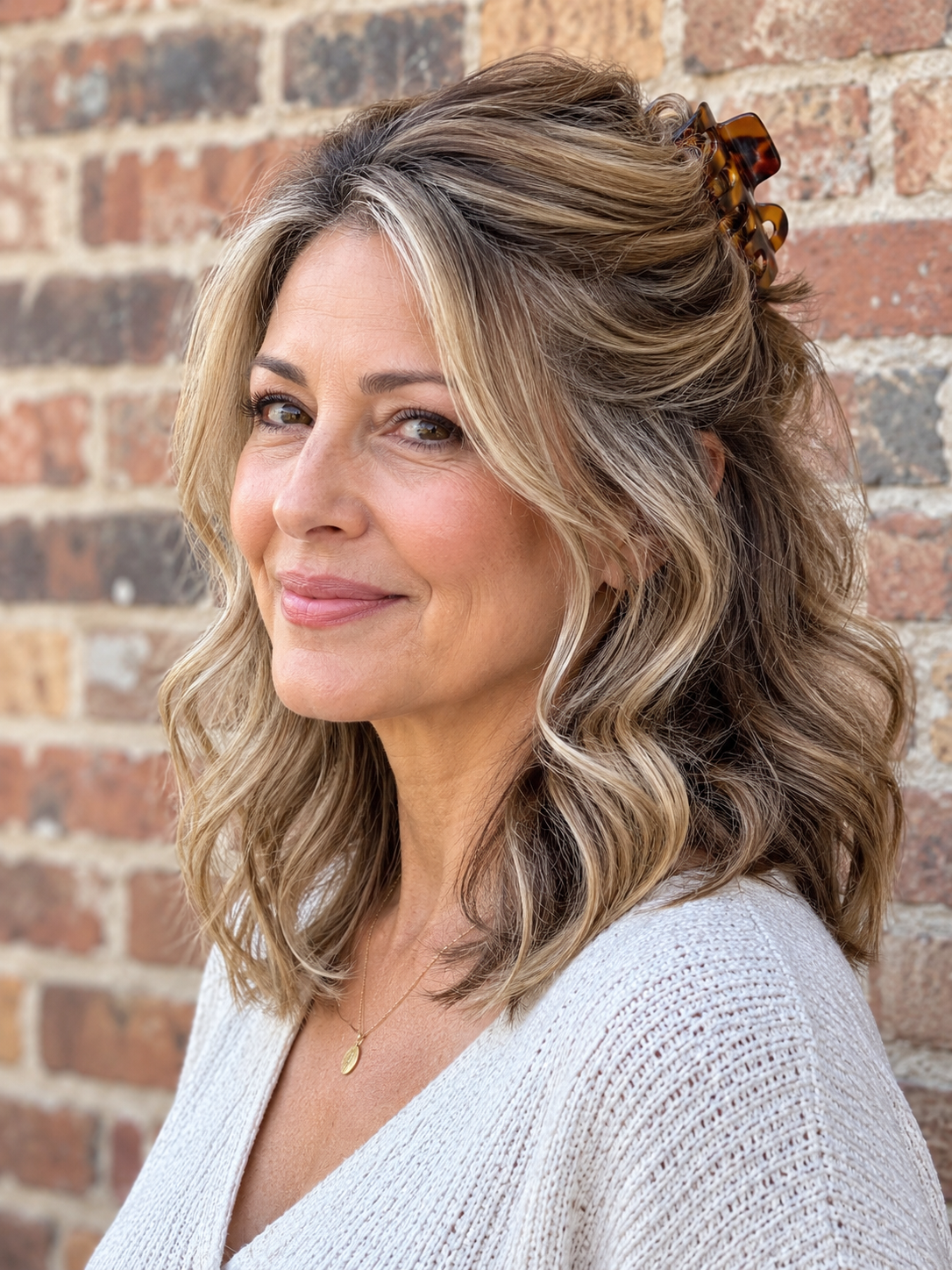
Pull the top half of wavy medium or long hair back and clip it at the crown, leaving the waves below loose. The lifted section adds height on top while the waves do the work below.
Twist the gathered section once before clipping so it does not sit flat. A claw clip holds well on thicker waves, while a barrette works better on finer hair. Second-day waves hold this best.
Vintage Hollywood Waves
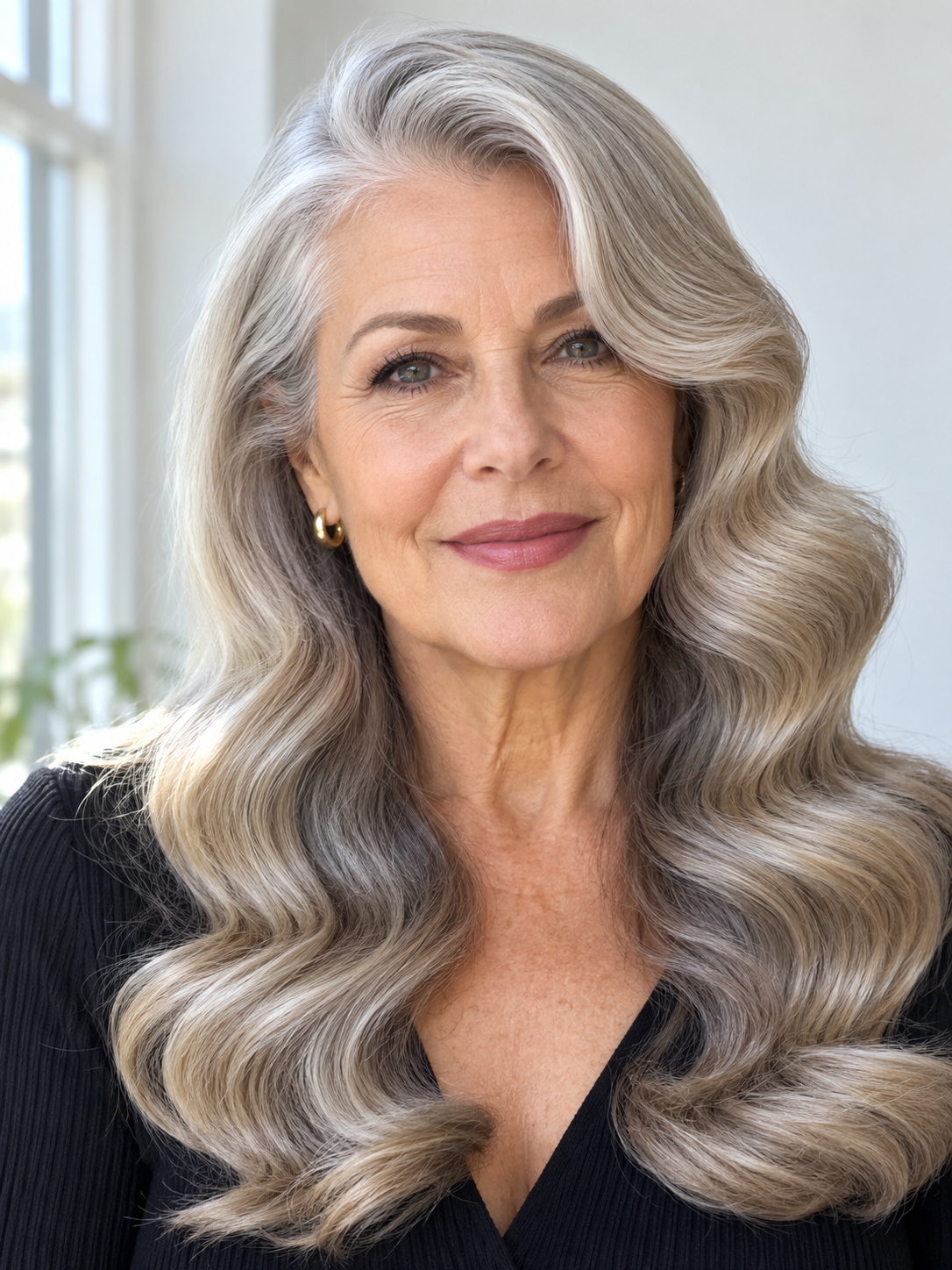
Deep, polished S-waves set into long hair with a deep side part bring back old-studio glamour for evenings out. Every wave lines up in one continuous ripple from root to tip. Create them with a large-barrel iron curling all sections the same direction, then brush through once cooled.
Clip the waves in place while they set. A shine spray finishes the surface. This style takes time but photographs better than almost any other.
Wavy Bixie
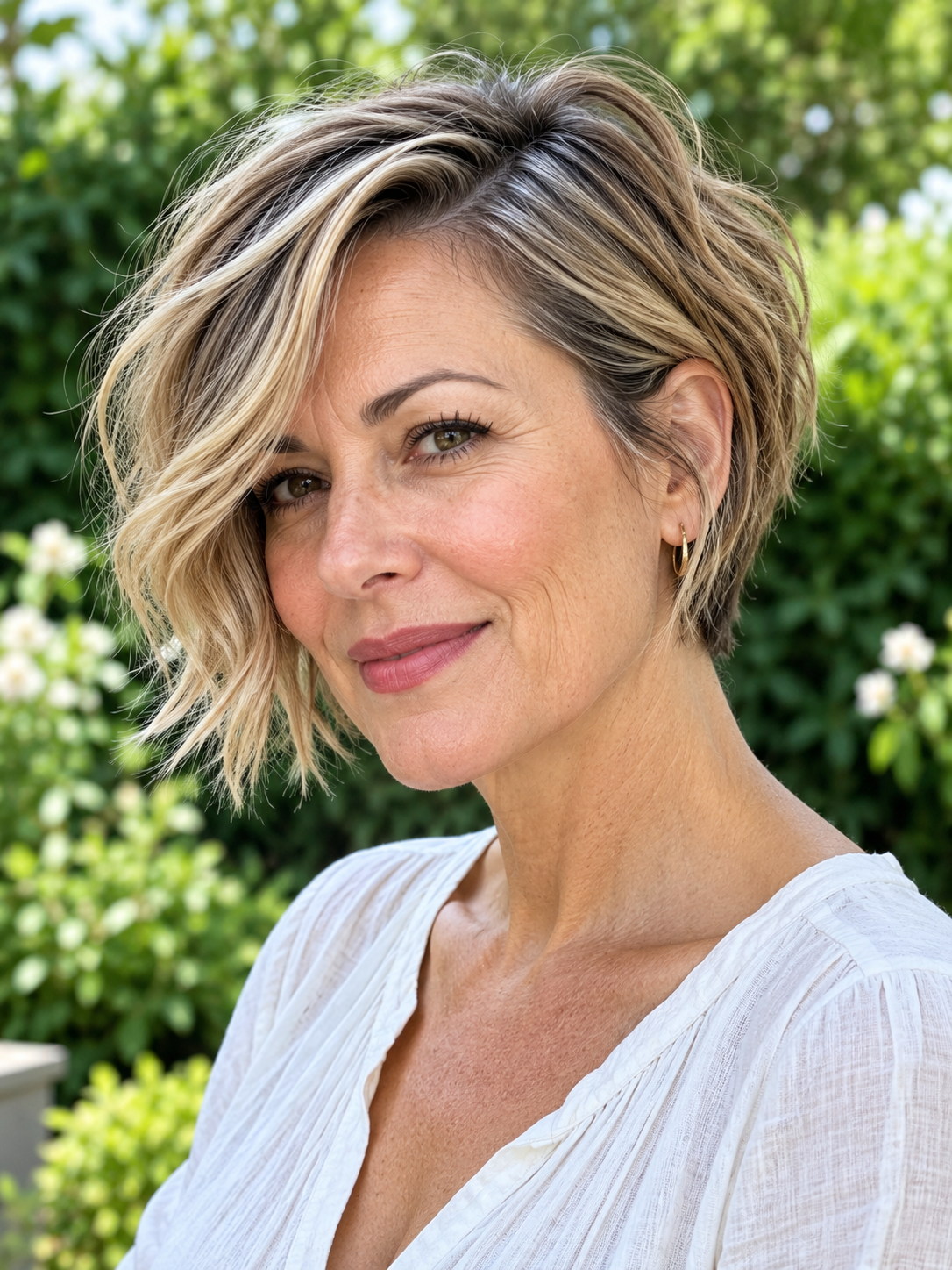
Somewhere between a pixie and a bob, the bixie ends at the ear with longer wavy pieces at the front and a shorter, textured back. Waves give the longer front sections a soft swing against the cheek.
The cut grows out gracefully into a short bob. Scrunch in a curl cream on damp hair and diffuse. Push the front pieces forward or tuck one side behind the ear.
Stacked Wavy Bob
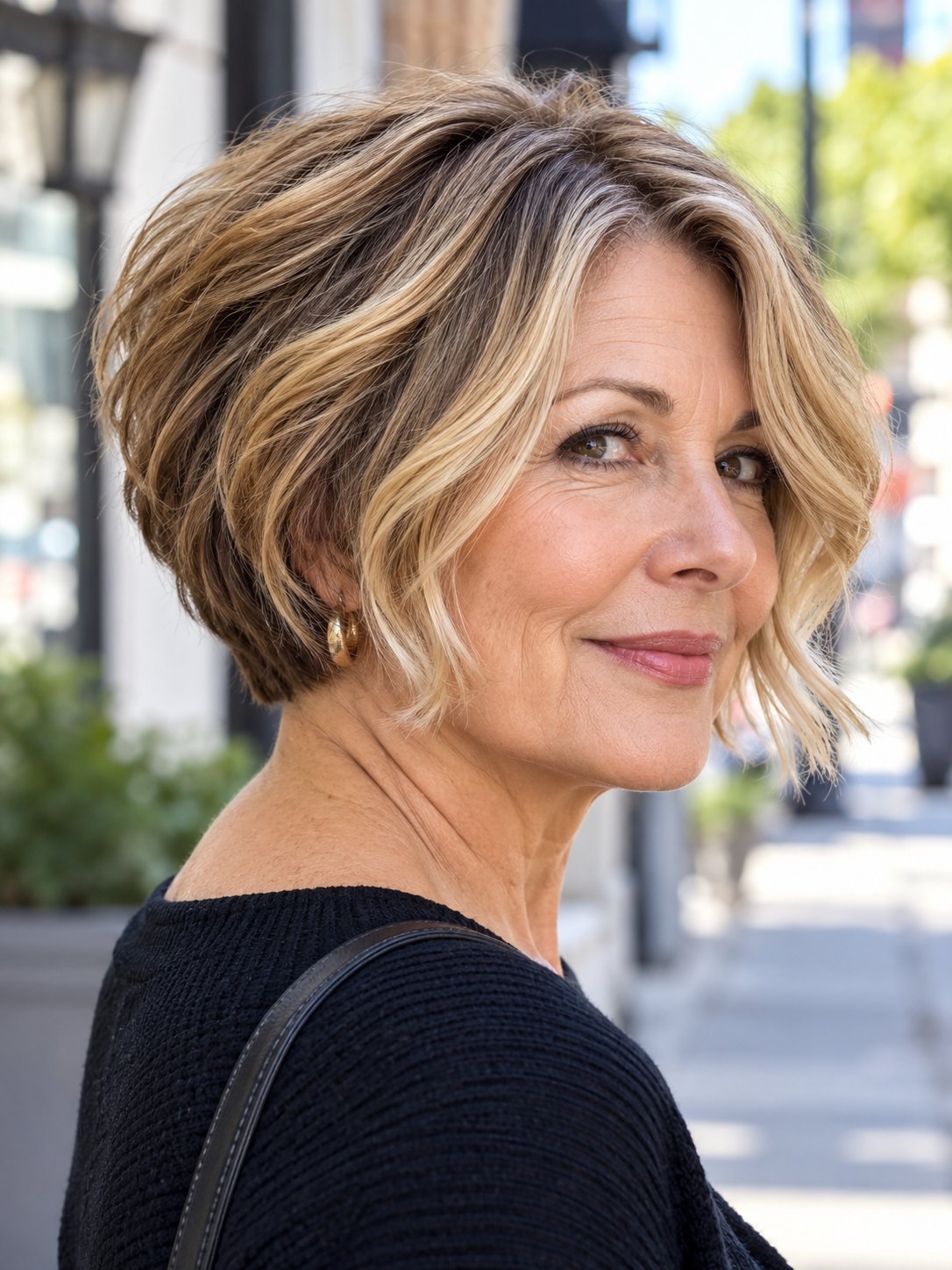
Shorter layers at the nape building up to longer pieces at the front give this bob a lifted back and full crown. Waves through the stack make the shape rounder still. The front pieces reach the chin and wave softly against the jaw.
Diffuse the back upside down for lift, then wave the front sections with a small wand. A dry texturizing spray keeps the stack from flattening by afternoon.
Wavy Butterfly Cut
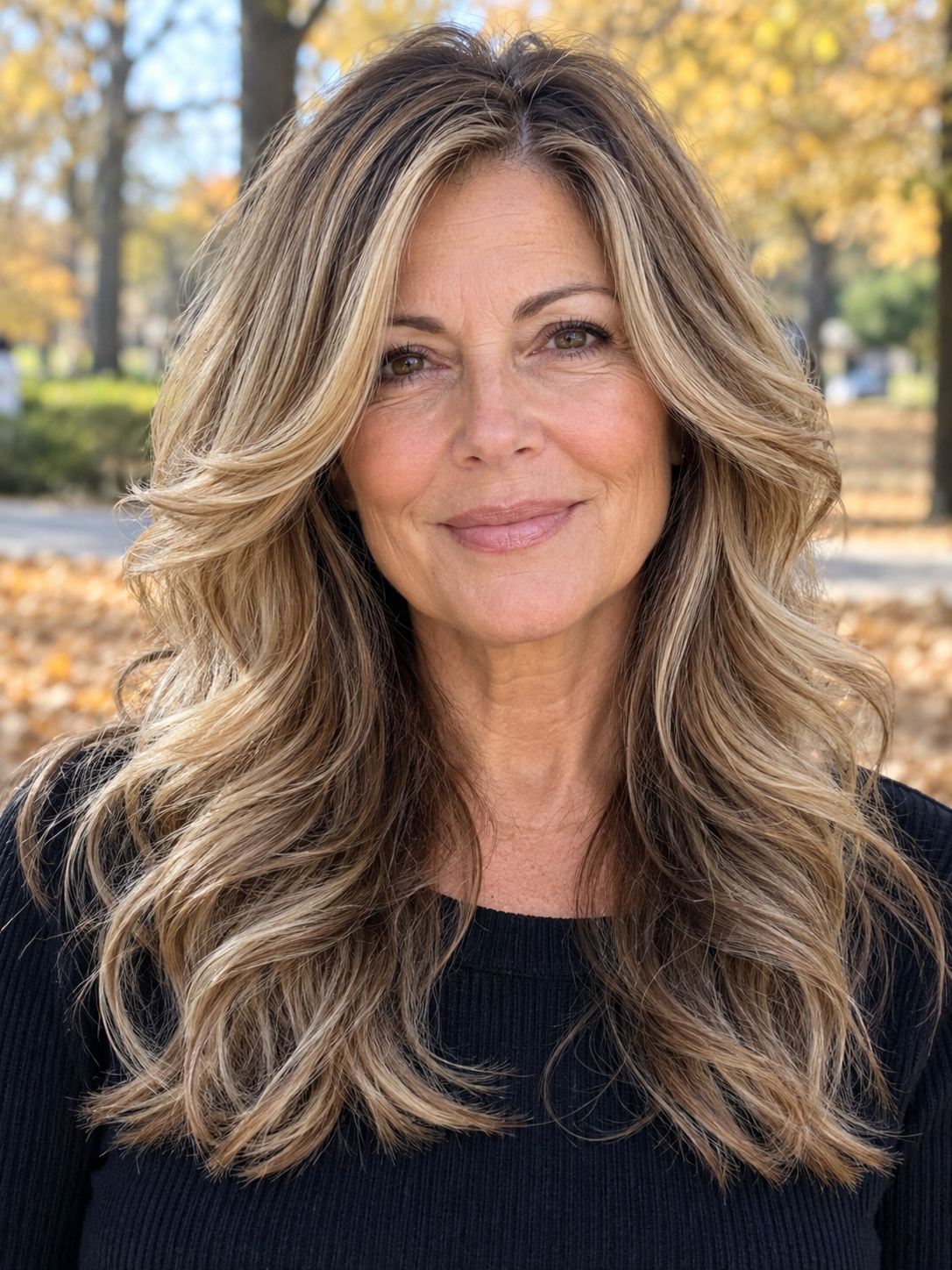
Long hair with short face-framing layers at the cheekbone and jaw, sitting over long layers below, gets a lot of movement from waves. The short layers wave into soft wings around the face while the length falls behind.
Blow-dry the front layers with a round brush away from the face, then wave the length loosely. This cut looks full from the front even when the back has thinned.
Low Wavy Ponytail
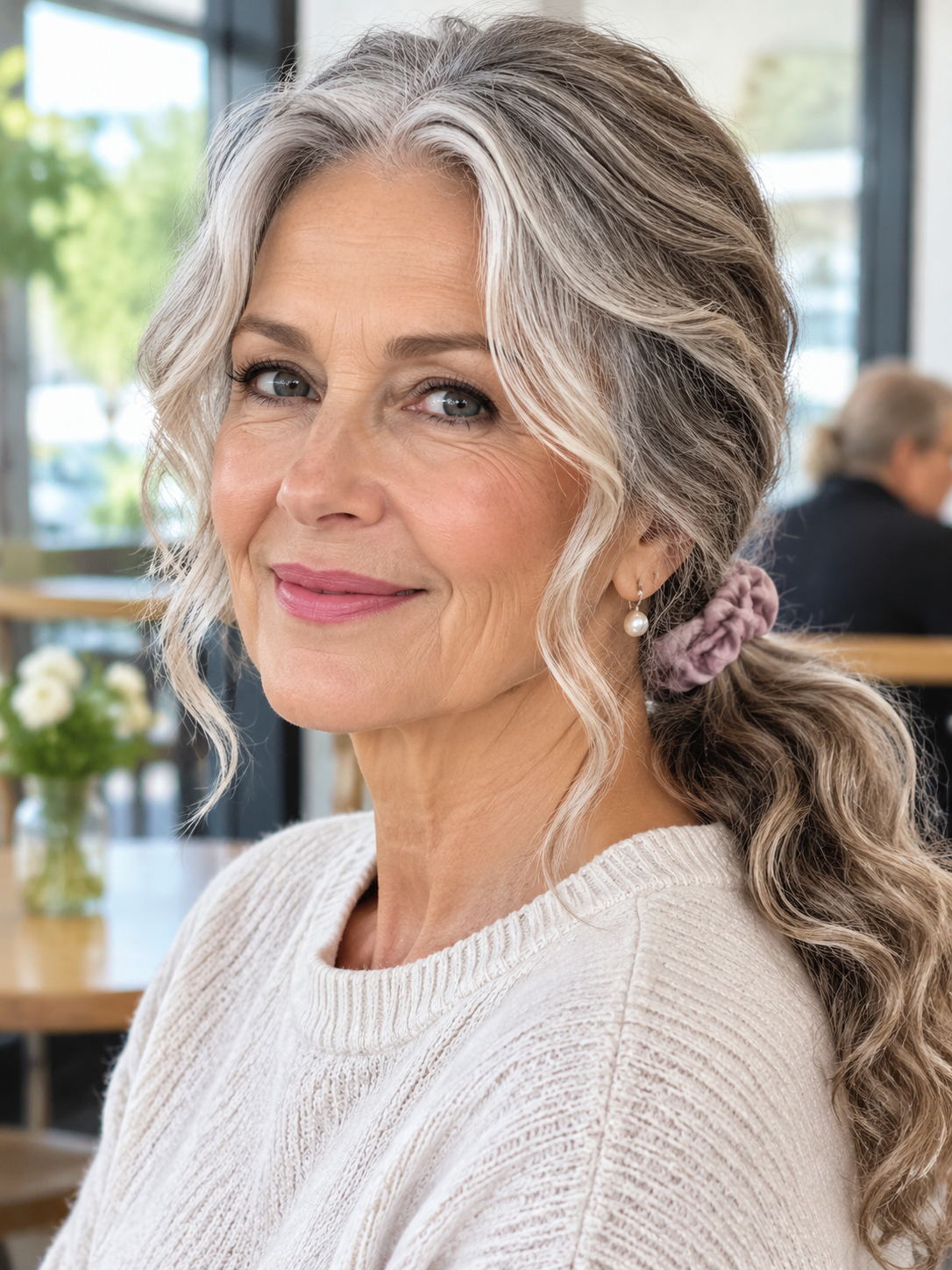
Gather wavy long hair at the nape and tie it loosely, leaving the waves intact through the tail. The low placement keeps the look relaxed rather than pulled. Smooth the top only lightly so a bit of texture stays visible.
Pull two wavy pieces loose at the temples. Wrap a strand around the elastic or use a soft scrunchie. Quick enough for weekday mornings and polished enough for dinner.
Soft Blowout Bends on Medium Hair

A round-brush blowout that turns the ends into loose, open bends gives wavy hair a salon finish without a tight curl. The hair stays smooth at the root and bends once or twice through the lower half.
Dry sections over a large round brush, rolling under at the ends. Shoulder-length hair takes this best. A light serum through the ends keeps the bends soft rather than stiff.
Natural Silver Waves

Letting silver or white waves air-dry at the shoulder with no heat shows off the texture that often improves once hair goes gray. The strands tend to get coarser and the wave pattern stronger. Rake a leave-in conditioner through damp hair and leave it alone until dry.
A purple shampoo once a week keeps the silver from yellowing. Light layers help the waves sit evenly instead of bunching.
Loose Wavy Bun
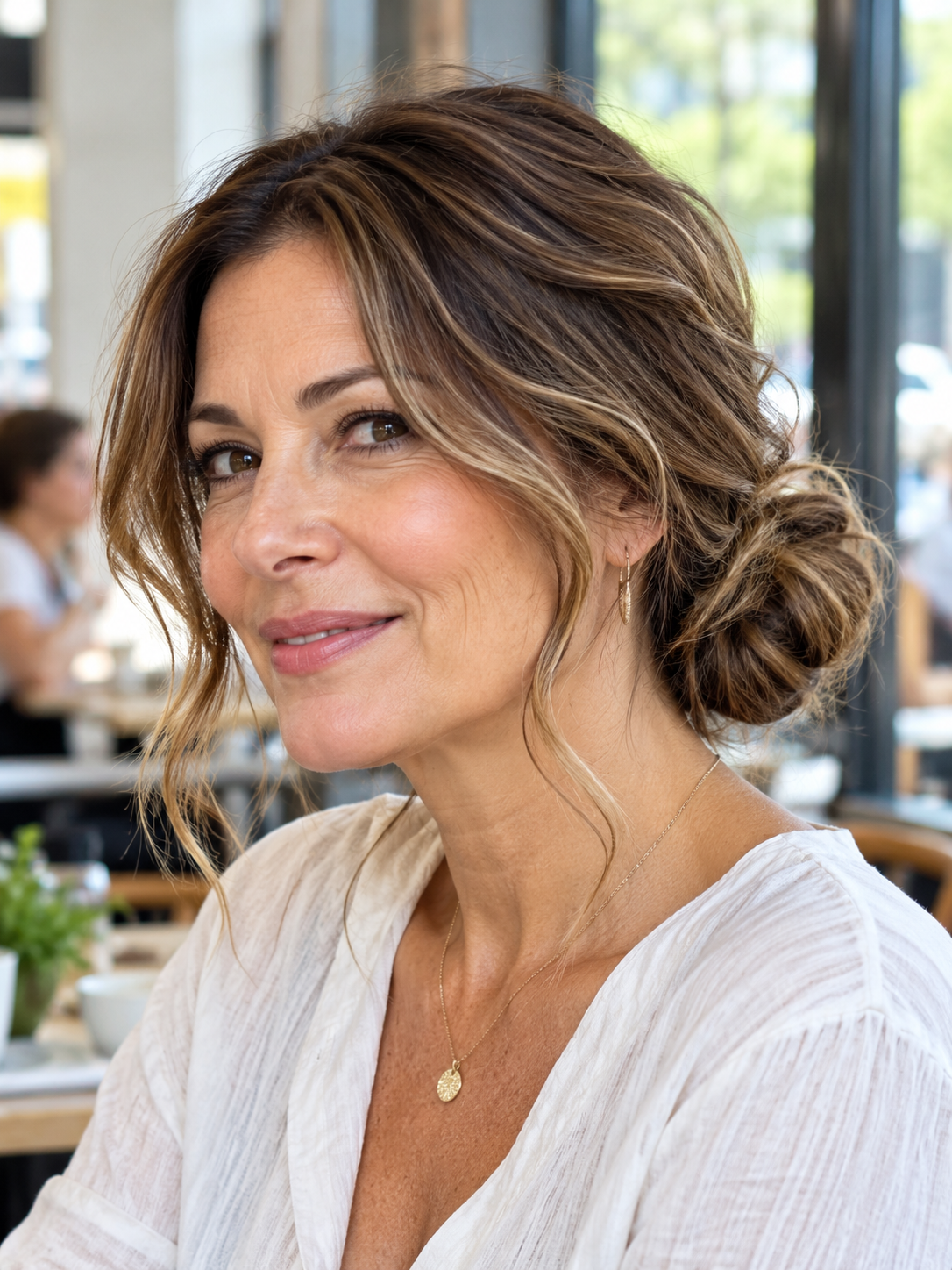
Twist long wavy hair into a low, loose bun at the nape and pin it without smoothing the waves flat. The texture shows at the surface of the bun and around the hairline. Pull a few waves free near the face.
A few bobby pins and a light-hold spray are all it takes. This works best on waves that are a day or two old, when the hair has more grip.
Asymmetrical Wavy Bob
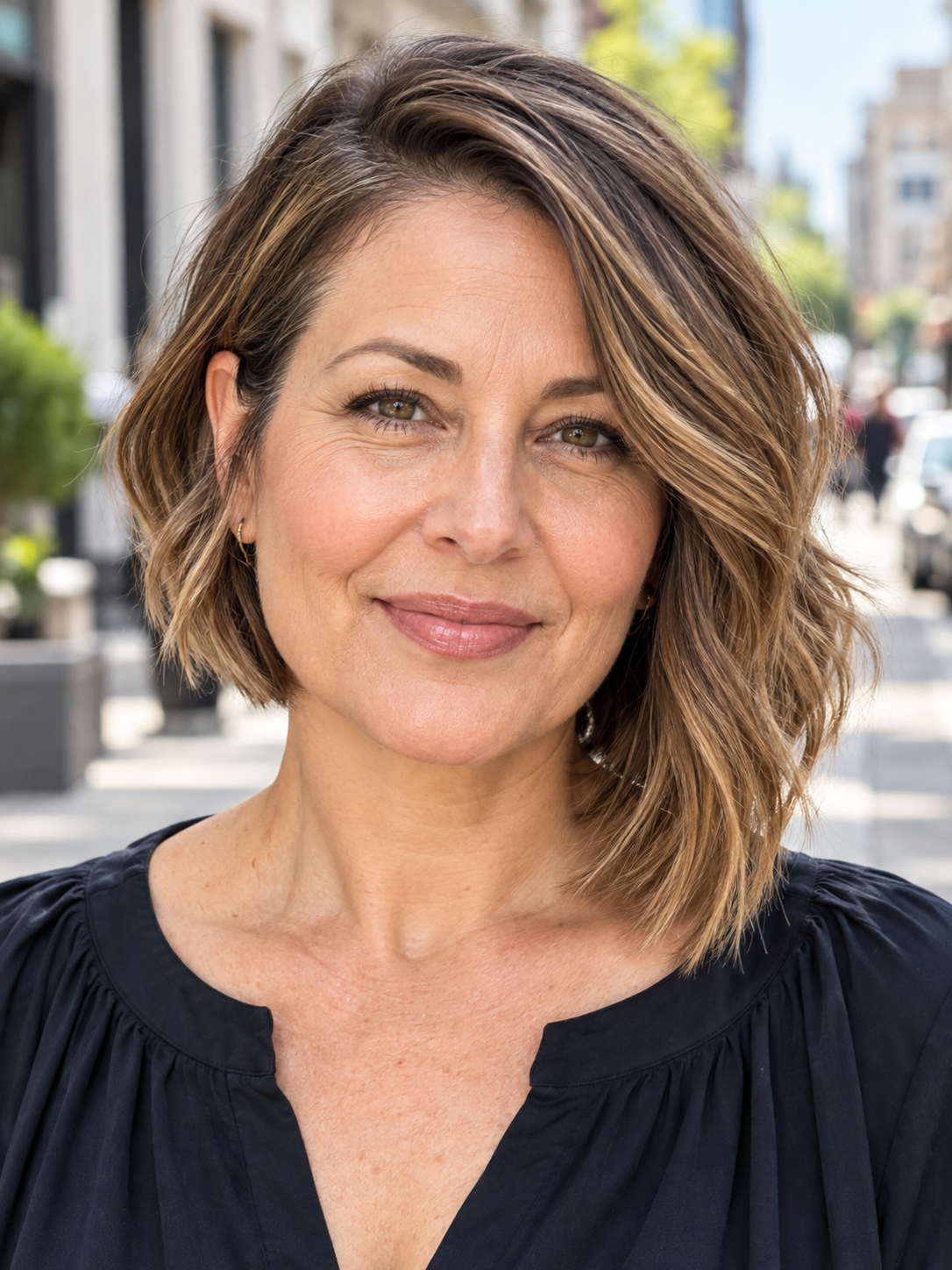
One side ending at the jaw and the other side two inches longer, both waved, creates a shape with real movement. The waves soften the uneven line so it looks intentional rather than sharp. Part the hair on the shorter side.
Wave both sides away from the face with a small wand. Tuck the shorter side behind the ear for an even bigger contrast in length.
Wispy Bangs with Long Waves
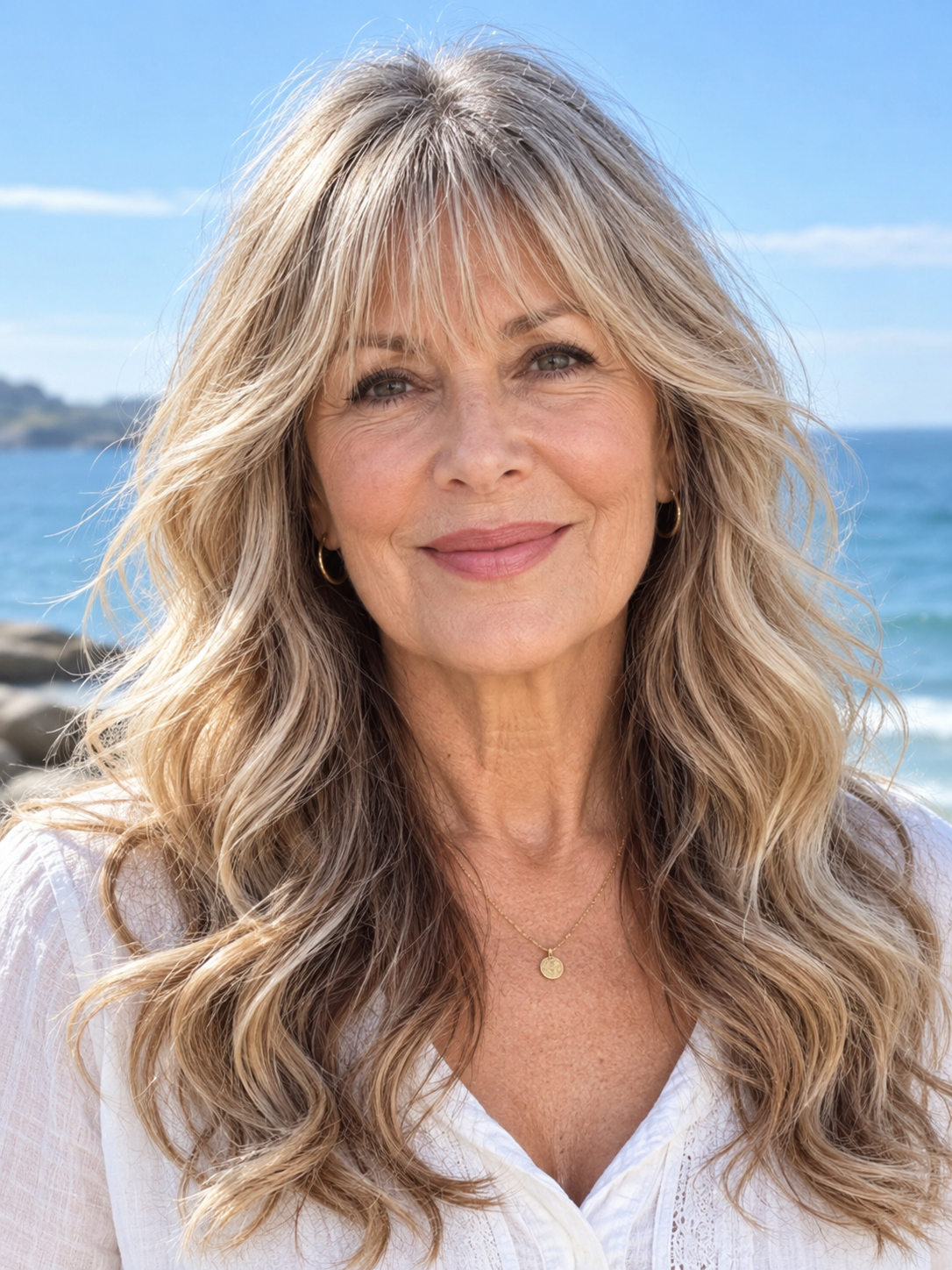
A soft, see-through fringe cut straight across the brow adds a youthful touch to long wavy hair. The bangs stay light enough that the forehead shows through them. Waves start at the cheekbone and run to the ends.
Blow-dry the fringe straight down with a flat brush while the lengths air-dry. A small flat iron bends the bangs into place in the morning if they have kinked overnight.
Wavy Hair with Face-Framing Layers
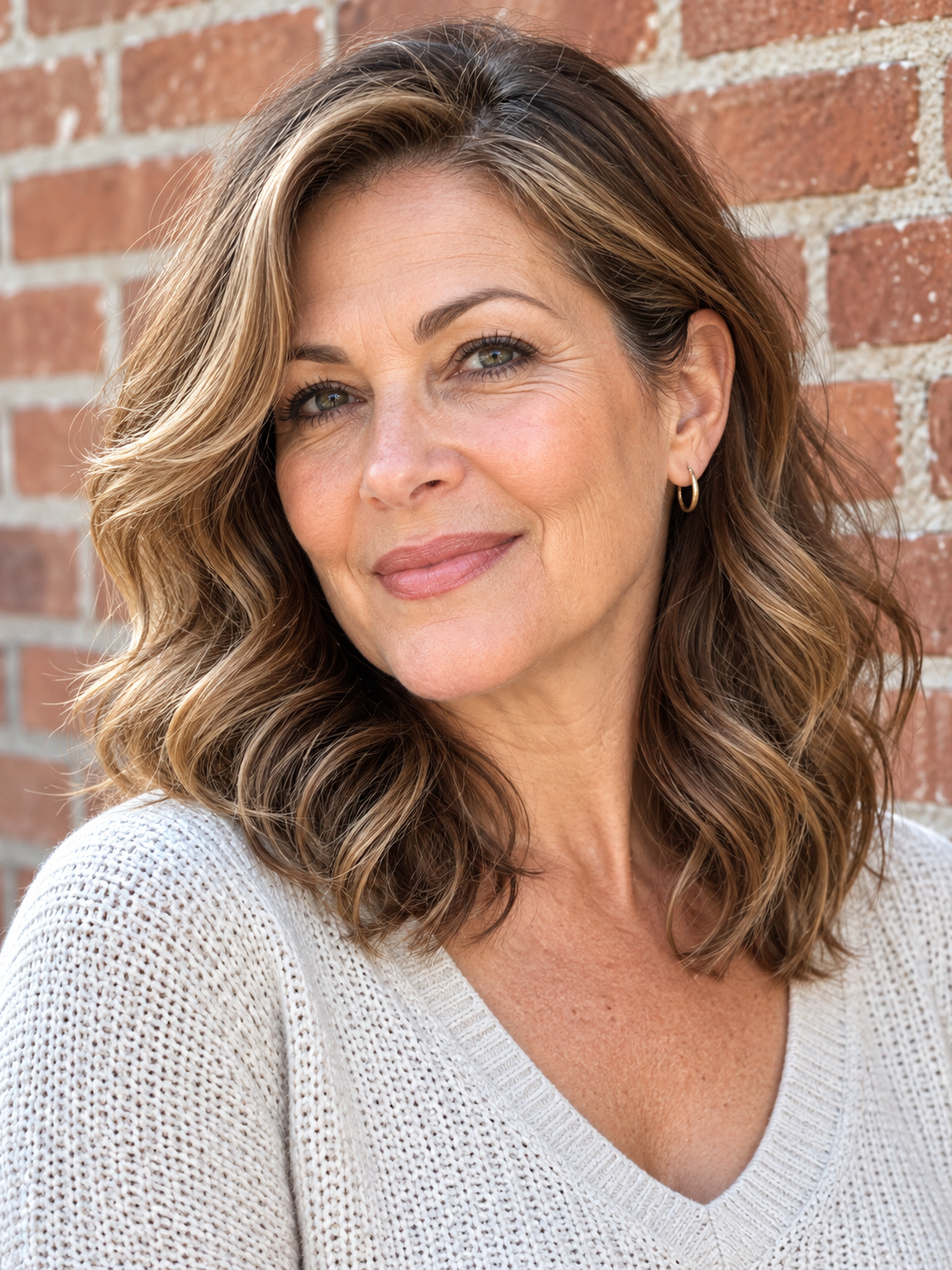
Medium wavy hair with two or three shorter pieces cut around the face gets lift exactly where it needs it. The shortest layer waves at the cheekbone, the next at the jaw, and the rest blends into the length.
The body of the hair stays mostly one length to keep the ends full. Wave the face pieces away from the face. Tuck one side back to show the layers off.

Comments
No Comments