
21 Hairstyles for Older Women Stylists Recommend Most Often
The women whose hair looks best after 60 are rarely the ones who cut it all off at 50 because someone told them to. They are the ones who adjusted the cut as the hair changed. Thinning at the crown calls for layers or a stacked back.
Coarser gray wants a blunt line to show off the texture. Fine hair that has gone flat needs a fringe or a sweep to give the face something soft. Length is not the question. The shape around the face and the weight at the ends are.
Classic Pixie
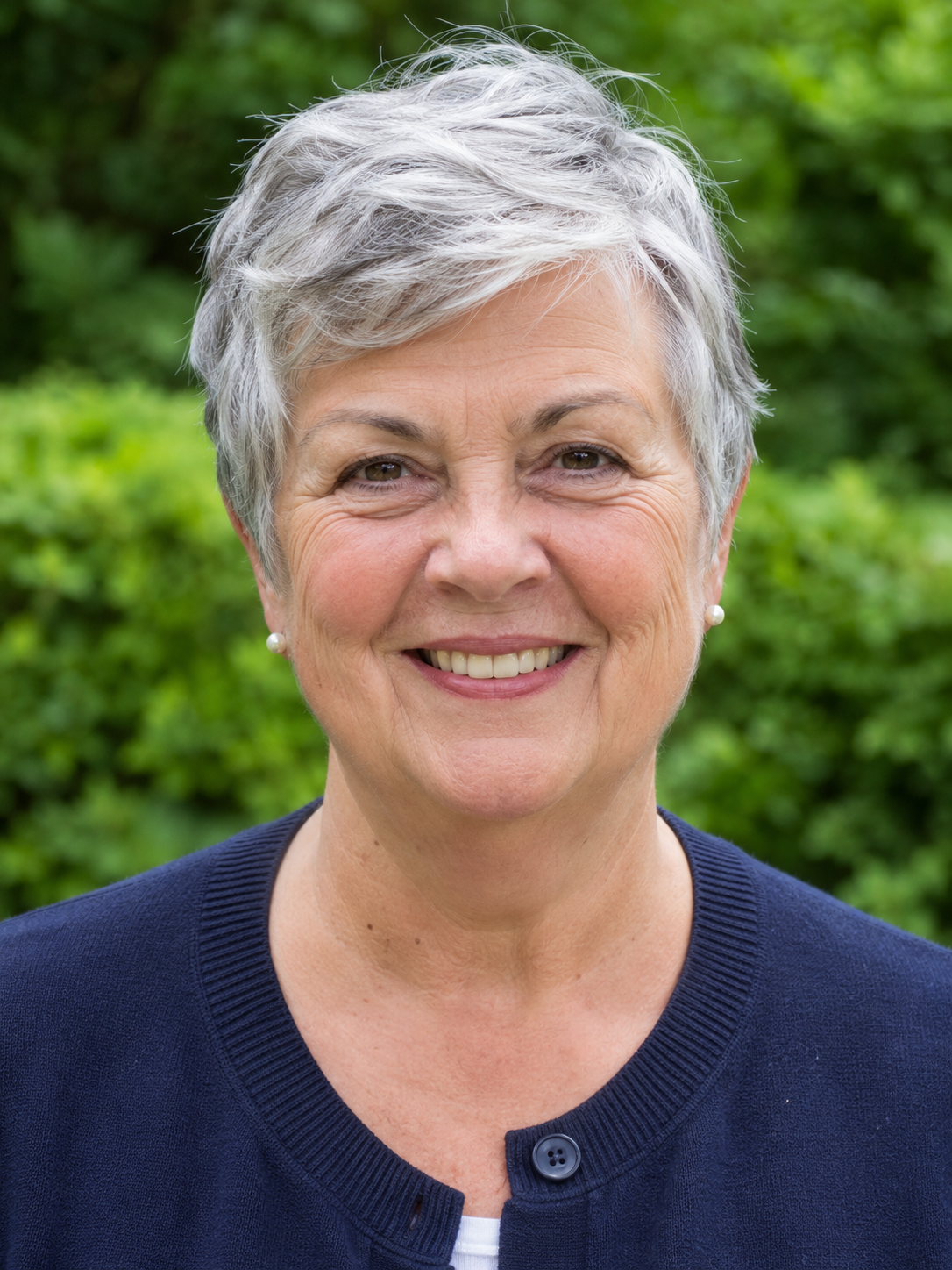
Short all over, with the top left two inches longer than the cropped sides, the classic pixie takes three minutes in the morning and suits almost any face. The soft top can be pushed forward, back, or to the side.
A pea-sized amount of light paste gives it shape. Short hair, cropped above the ears. Trims every five weeks keep it tidy, and gray hair takes this cut especially well.
Chin-Length Bob
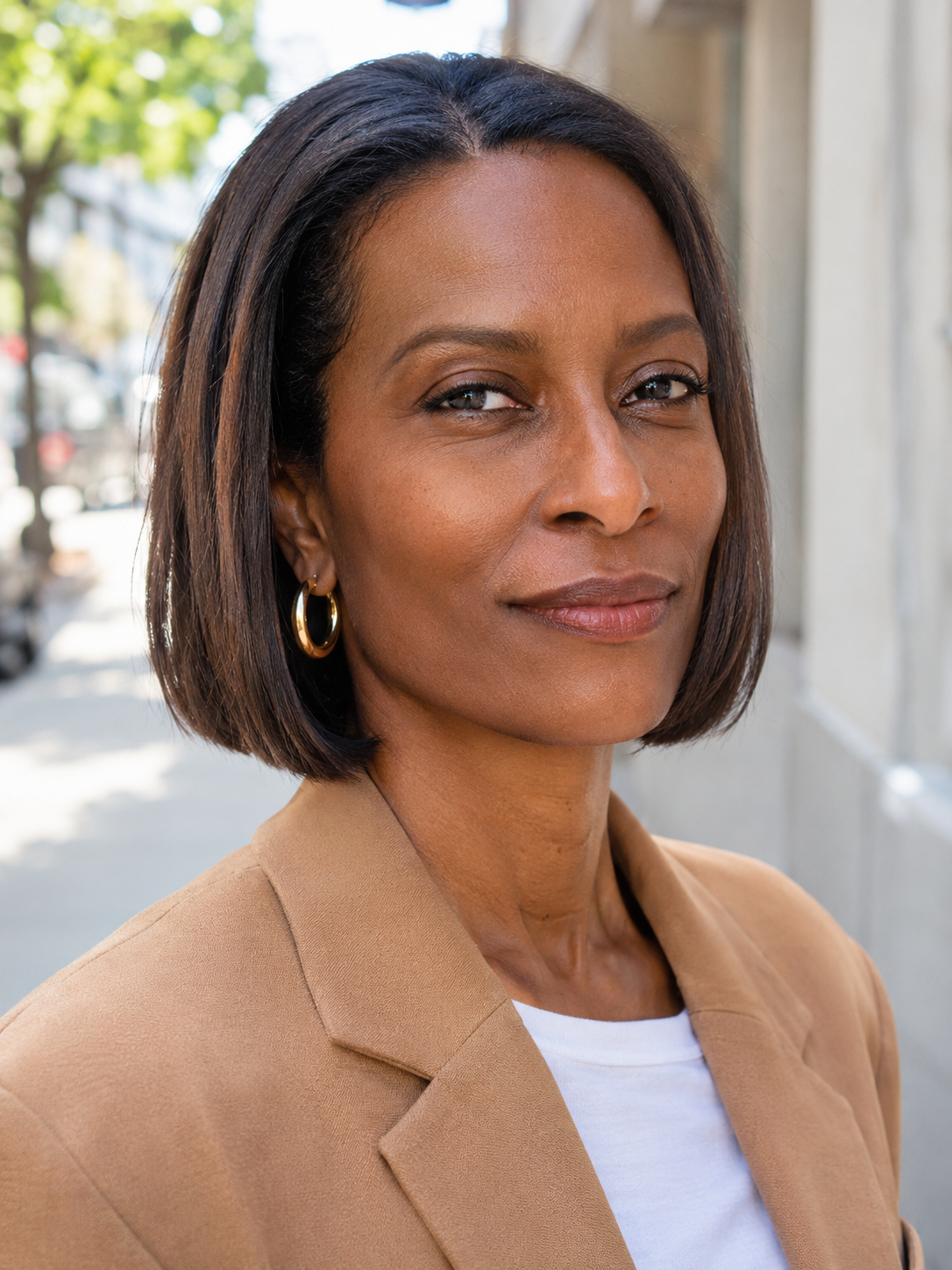
Cut one length at the chin, with the sides a touch longer than the back, this bob keeps the weight at the hem so the ends look thick. Blow-dry with a round brush to turn the ends under.
Short hair, ending at the chin. A trim every seven weeks keeps the line crisp. It works best on straight hair and on light waves with a quick smooth.
Shoulder-Length Layers
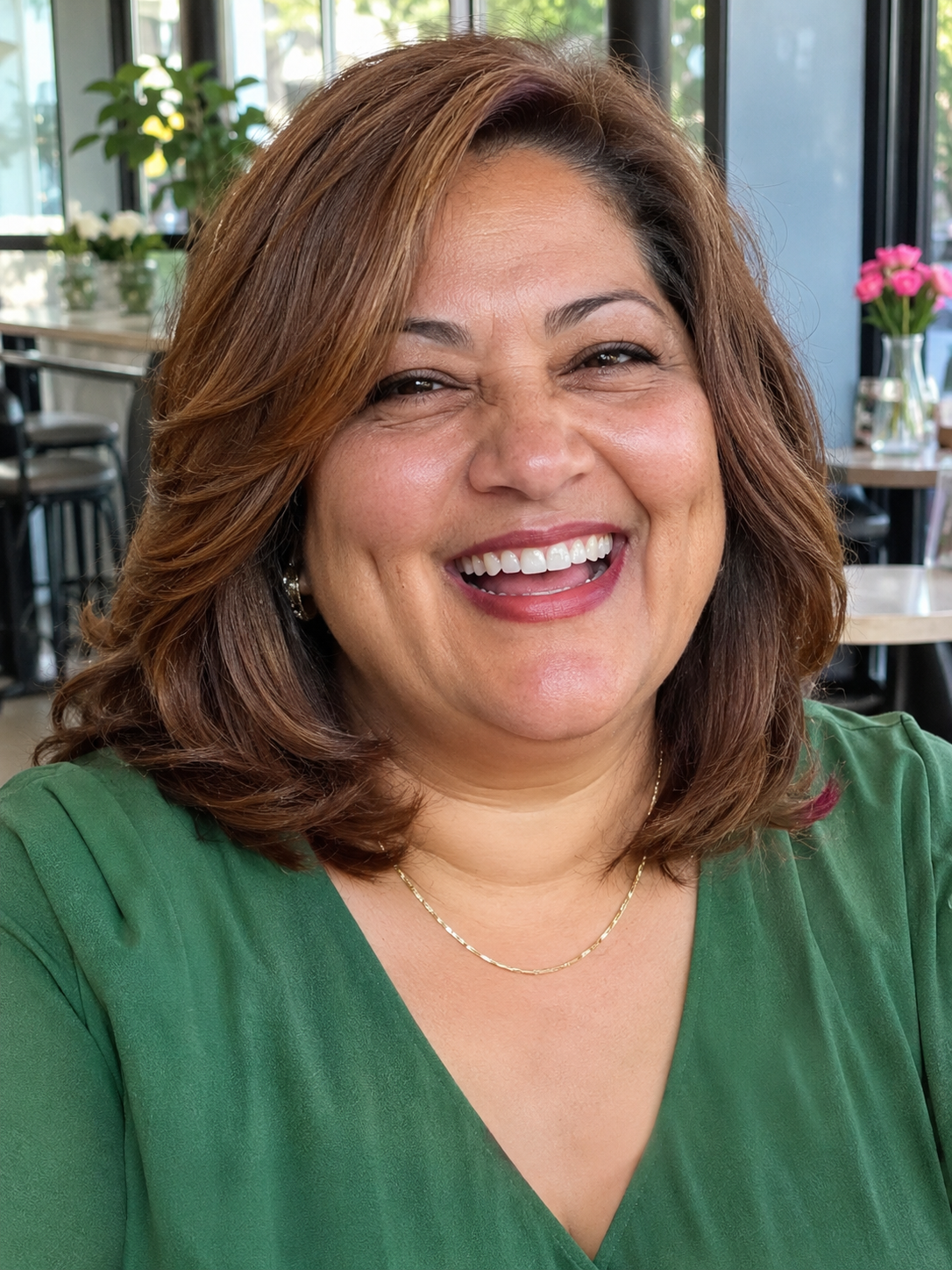
Hair cut to the shoulder with soft layers from the cheekbone down moves instead of hanging in one block. The layers lift the hair around the face and lighten the ends.
Blow-dry with a paddle brush and finish with a small round brush at the ends. Medium length, at the shoulder. Ask for blended layers rather than chunky ones so the shape stays soft.
Layered Lob

Collarbone-length with layers through the lower half, the lob gives movement without sacrificing length. Layers start near the jaw and lift the hair around the face. Part it slightly off-center.
A few drops of lightweight oil on the ends keep them smooth. Medium length, at the collarbone. It can be worn straight, waved, or tucked behind one ear.
Short Shag
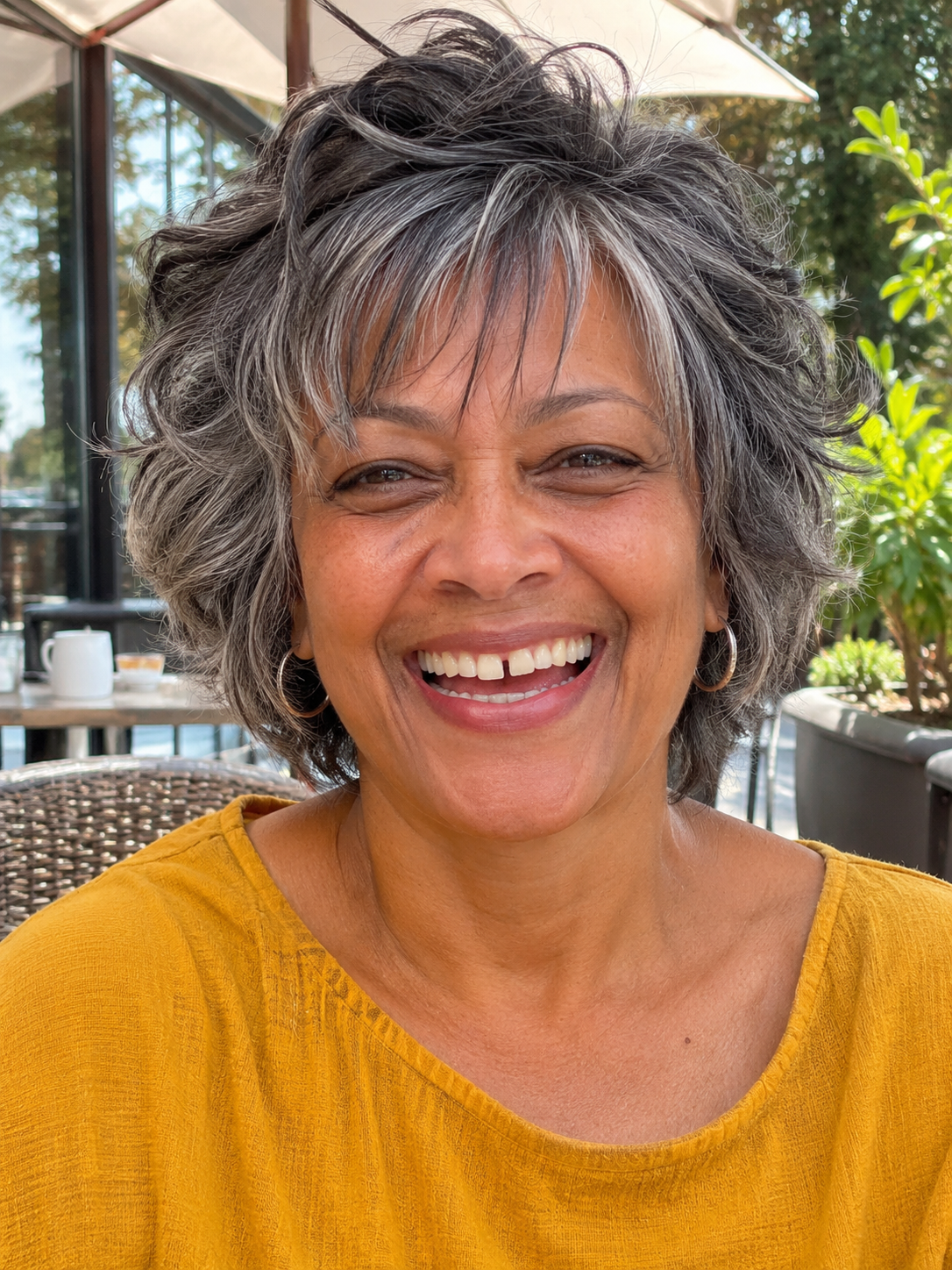
Heavy layering from the crown to a chin-length hem gives the short shag more lift than any cut at this length. Short top layers stand up with mousse, and longer layers frame the cheekbones.
Wispy bangs usually come with it. Diffuse upside down for the most volume. Short hair, ending at the chin. It grows out well because every layer blends into the next.
Curtain Bangs with Medium Hair

A center-parted fringe sweeping toward the cheekbones softens the forehead and frames the eyes on shoulder-length hair. The bangs curve out in the same direction as the sides. Blow-dry the fringe over a round brush rolling away from the face.
Medium length. When the bangs grow, they turn into face-framing pieces with no awkward stage. Keep product off the fringe so it stays airy.
Long Layers
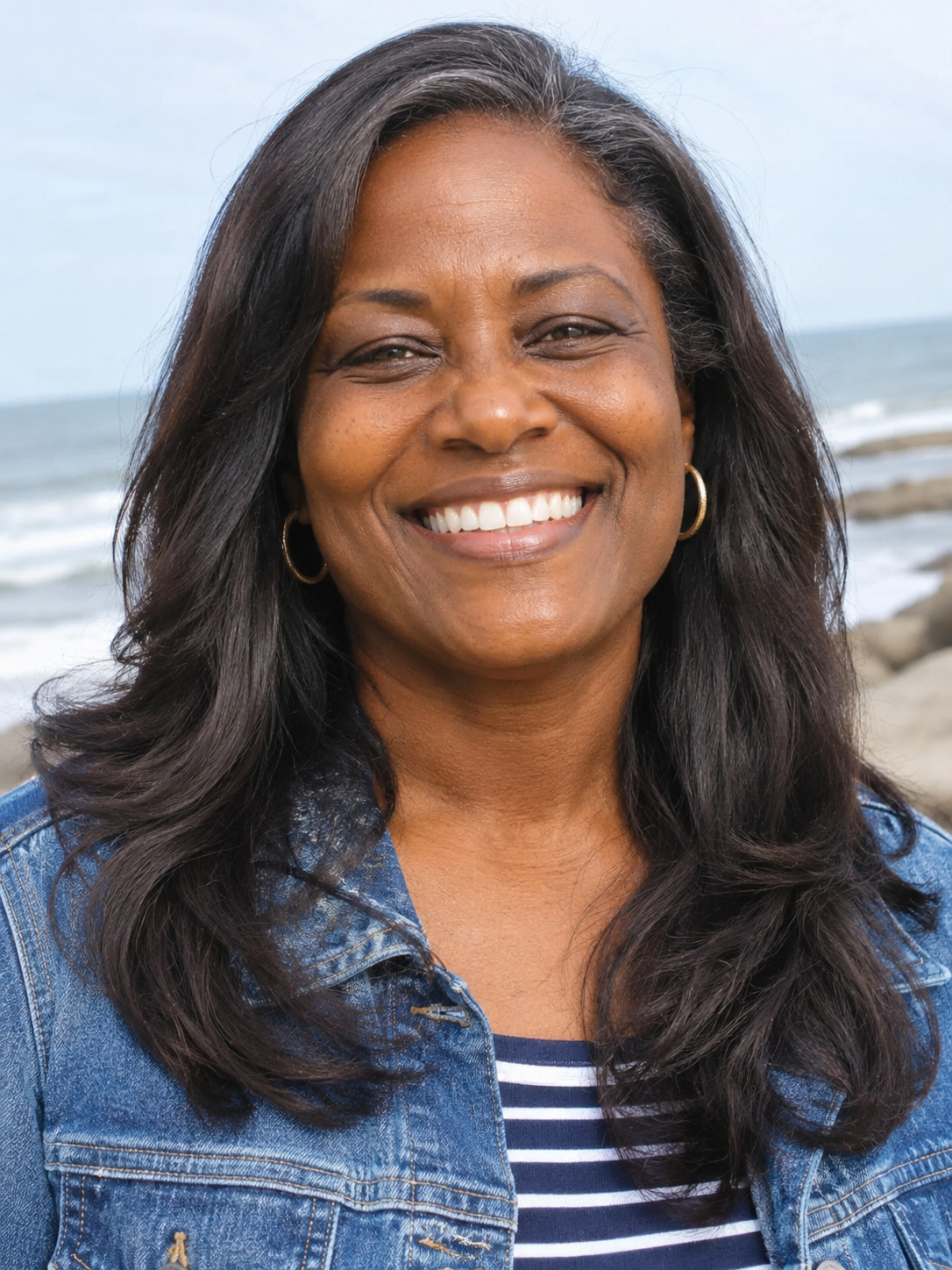
Hair past the shoulders with layers starting below the chin swings when you move. The shortest layer sits at the collarbone and the rest falls in steps. A weekly deep conditioner keeps the ends from looking tired.
Trim every ten weeks. Long hair after 50 works when the ends are healthy and the layers keep the length from dragging the face down.
Stacked Bob
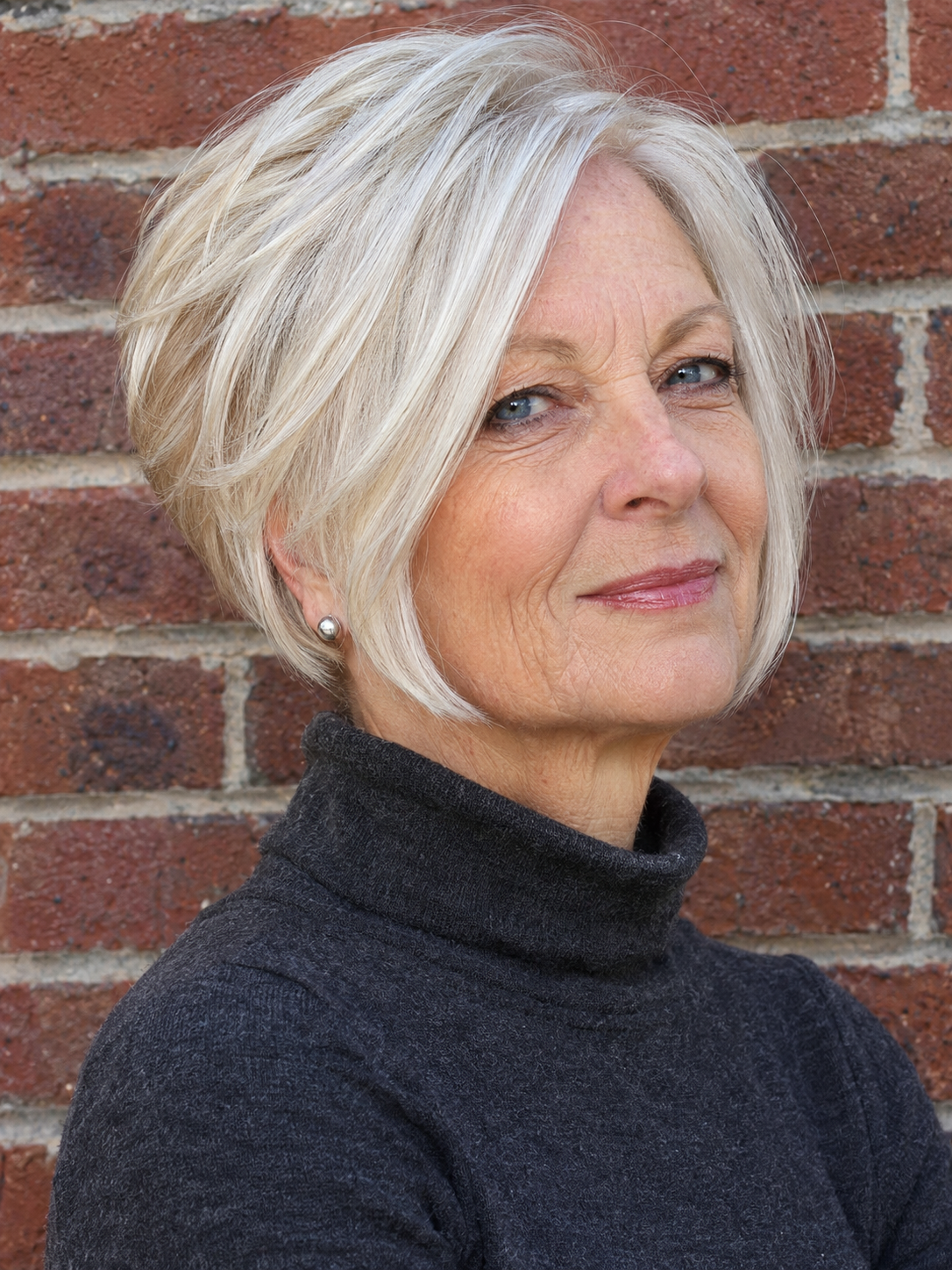
Short graduated layers at the nape building up to chin-length pieces at the front lift the back and round out the crown. The shape makes the head look fuller from the side.
Blow-dry the back up and forward with a round brush. Short hair at the back, chin-length at the front. Ask for a soft graduation so the stack does not look steep.
Soft Waves at the Shoulder
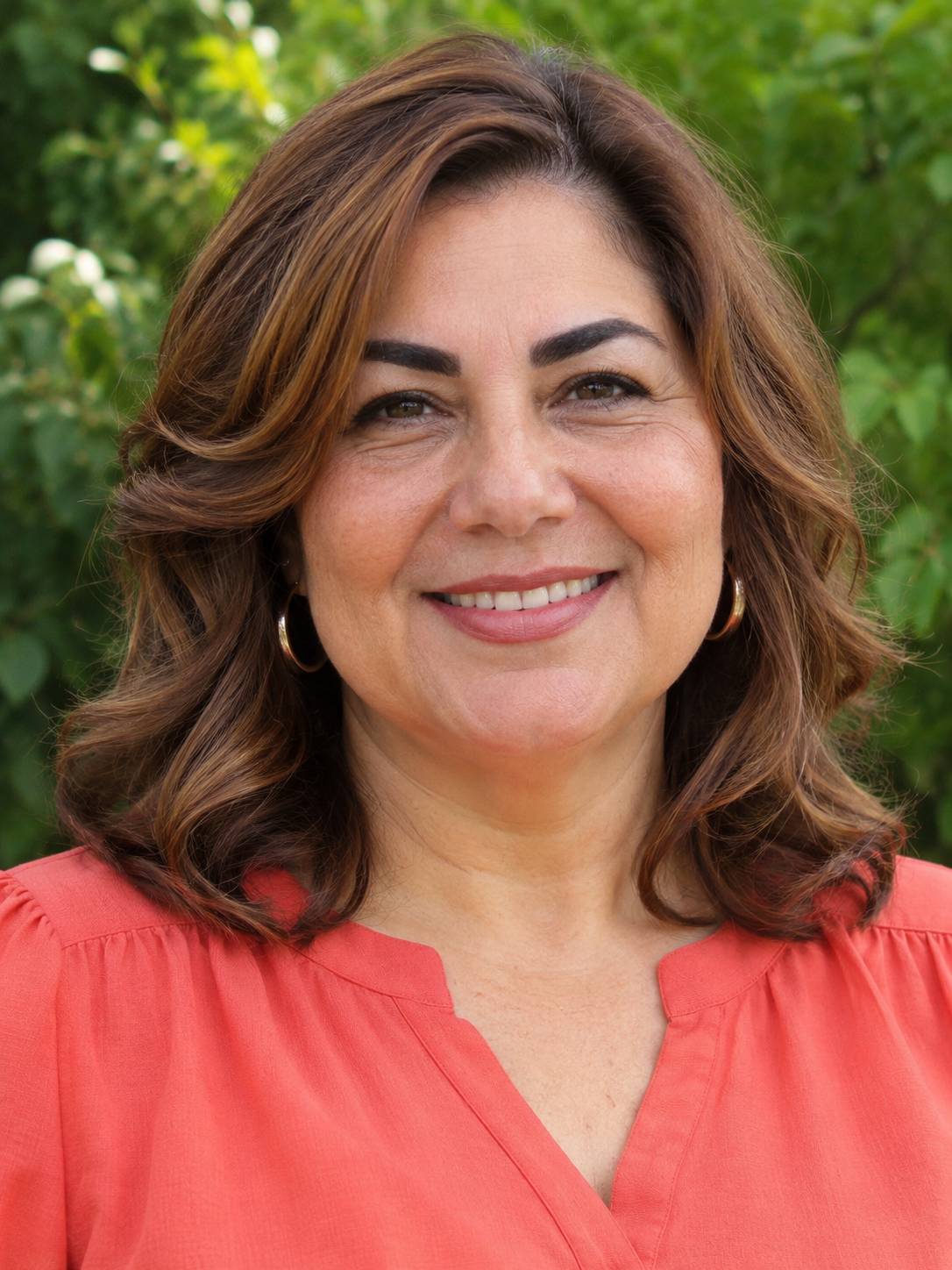
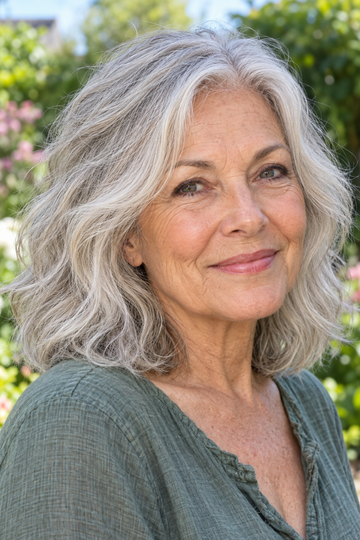
Shoulder-length hair with loose, open bends through the lower half has a relaxed bounce. Dry sections over a large round brush rolling under, or wave random sections with a wide barrel and leave the last inch out.
A light serum keeps the waves soft. Medium length, at the shoulder. Shake the waves apart with your fingers rather than a brush.
Curly Bob
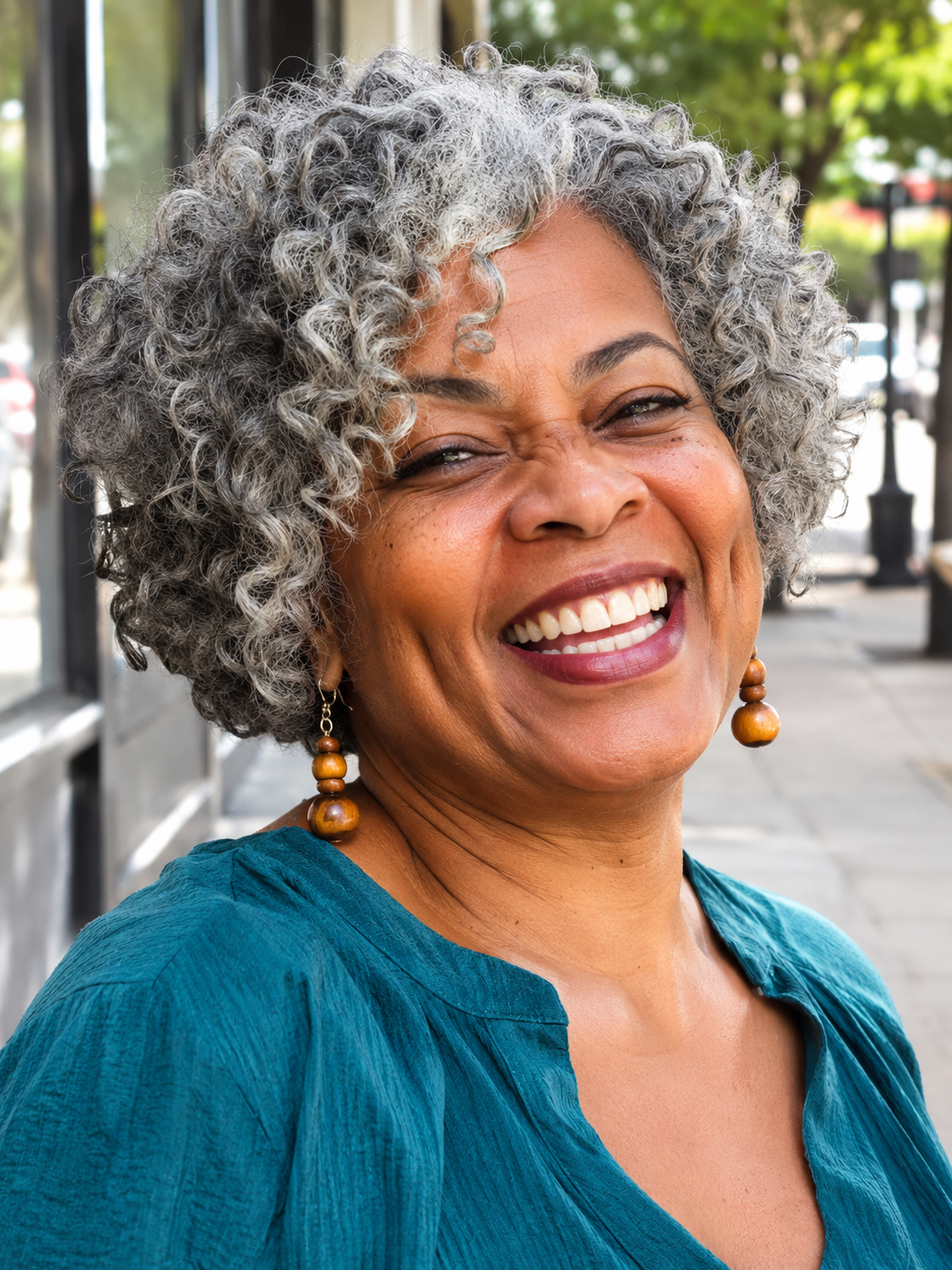
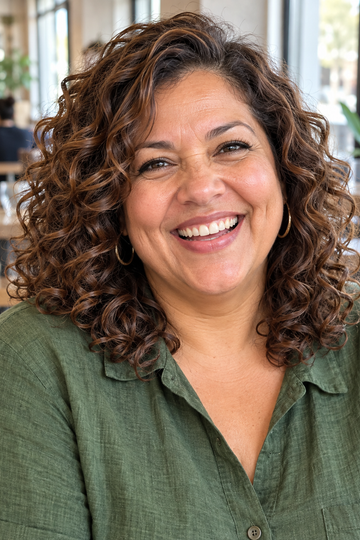
Natural curls cut to the jaw stack on top of each other and form a full, rounded shape. The curls fill out the crown where thinning shows. Have it cut dry so the curl pattern sets the length.
Rake a curl cream through damp hair and leave it alone until dry. Short hair, ending at the jaw, with shrinkage pulling it higher.
Bixie
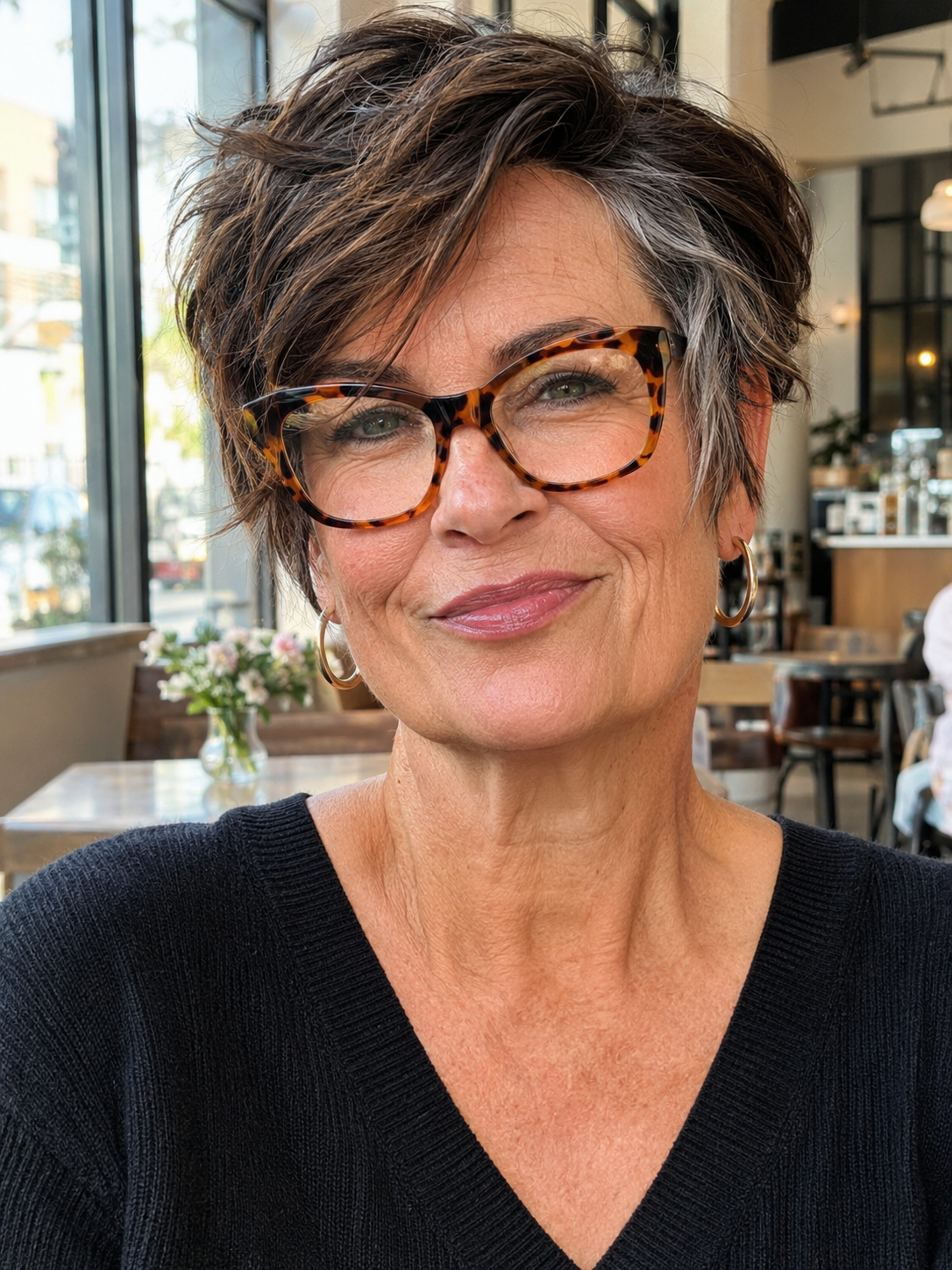
Ear-length, with choppy layers at the back and longer piecey sections at the front, the bixie sits between a pixie and a bob. The texture on top adds height and the front softens the jaw.
Work a cream through with your fingers and push the front forward or tuck it back. Short hair, ear-length. It grows out into a short bob without an awkward phase.
French Bob
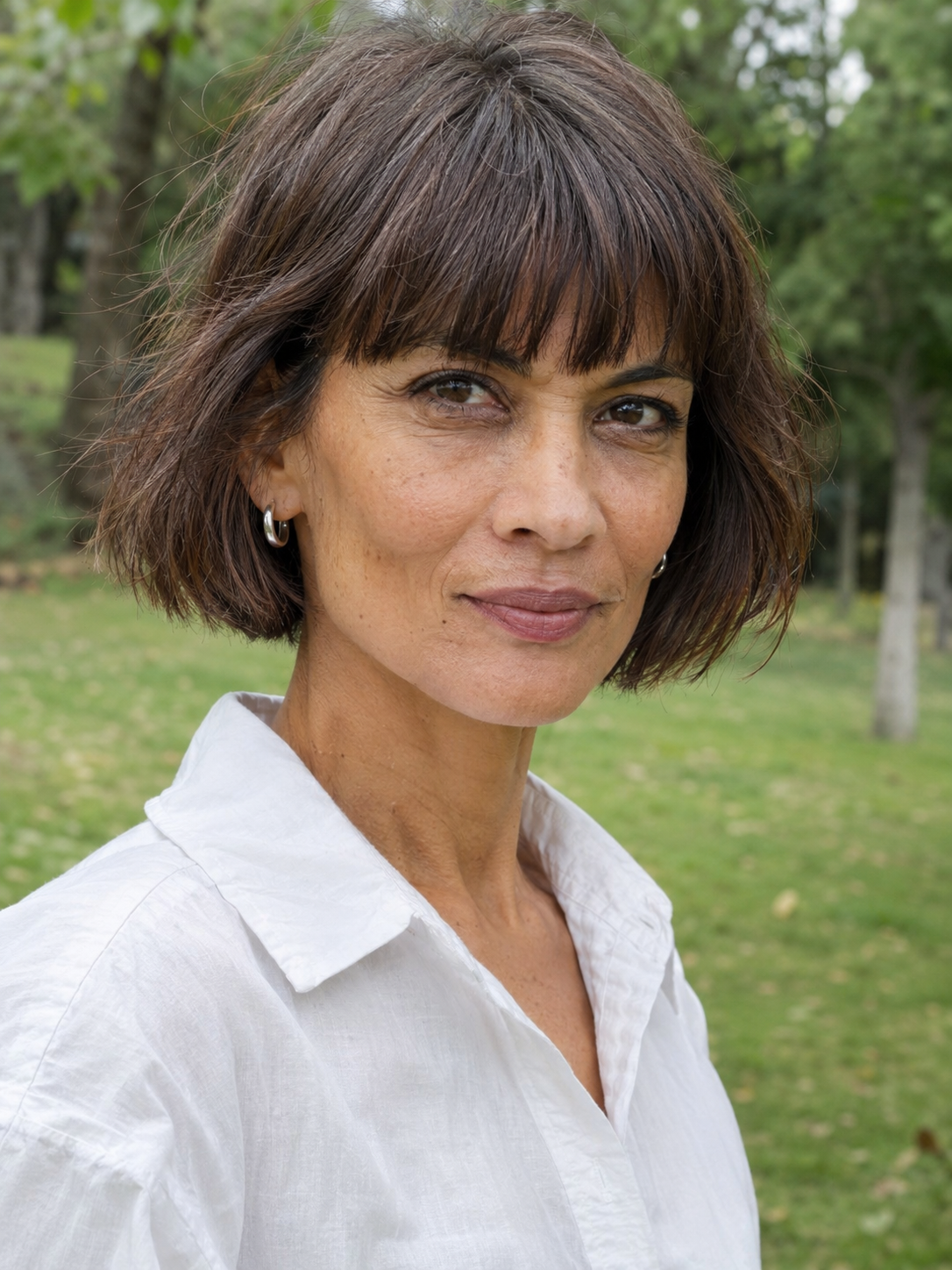
Jaw-length with a blunt fringe at the brow, the French bob frames the eyes and cheekbones in two clean lines. Air-dried, it looks intentional. Keep the fringe trimmed every four weeks.
A dry texturizing spray adds a little separation. Short hair, ending at the jaw. It suits women who want the forehead covered and the jaw on show.
Sleek Low Bun
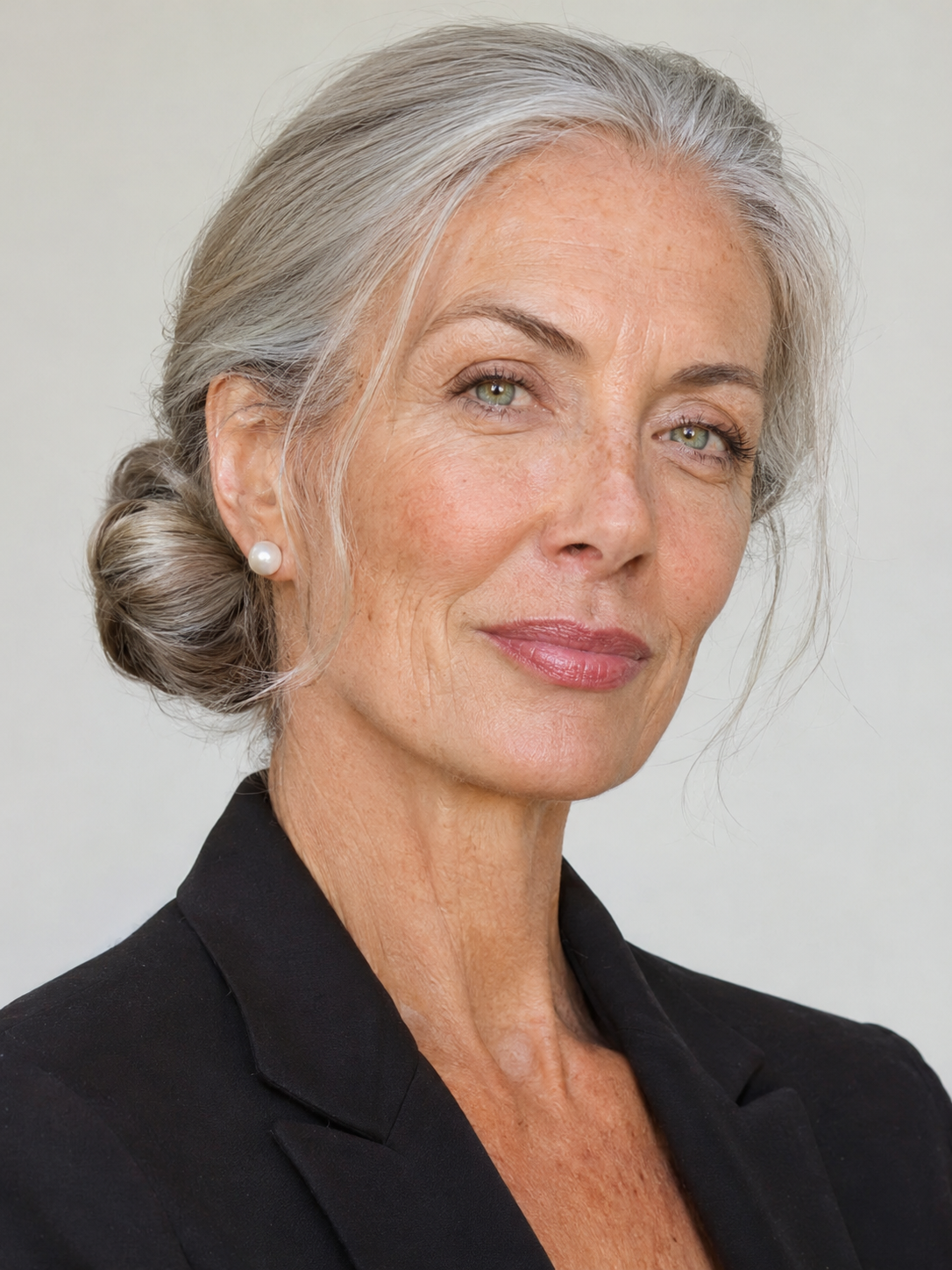
Twist long hair at the nape, coil it, and pin it flat for a polished finish that works for evenings or the office. Smooth the top with a brush and a dab of gel.
Pull the front slightly looser if a tight pull feels severe. Spray the surface for shine. It shows off the cheekbones and earrings and takes less than five minutes.
Half-Up Clip
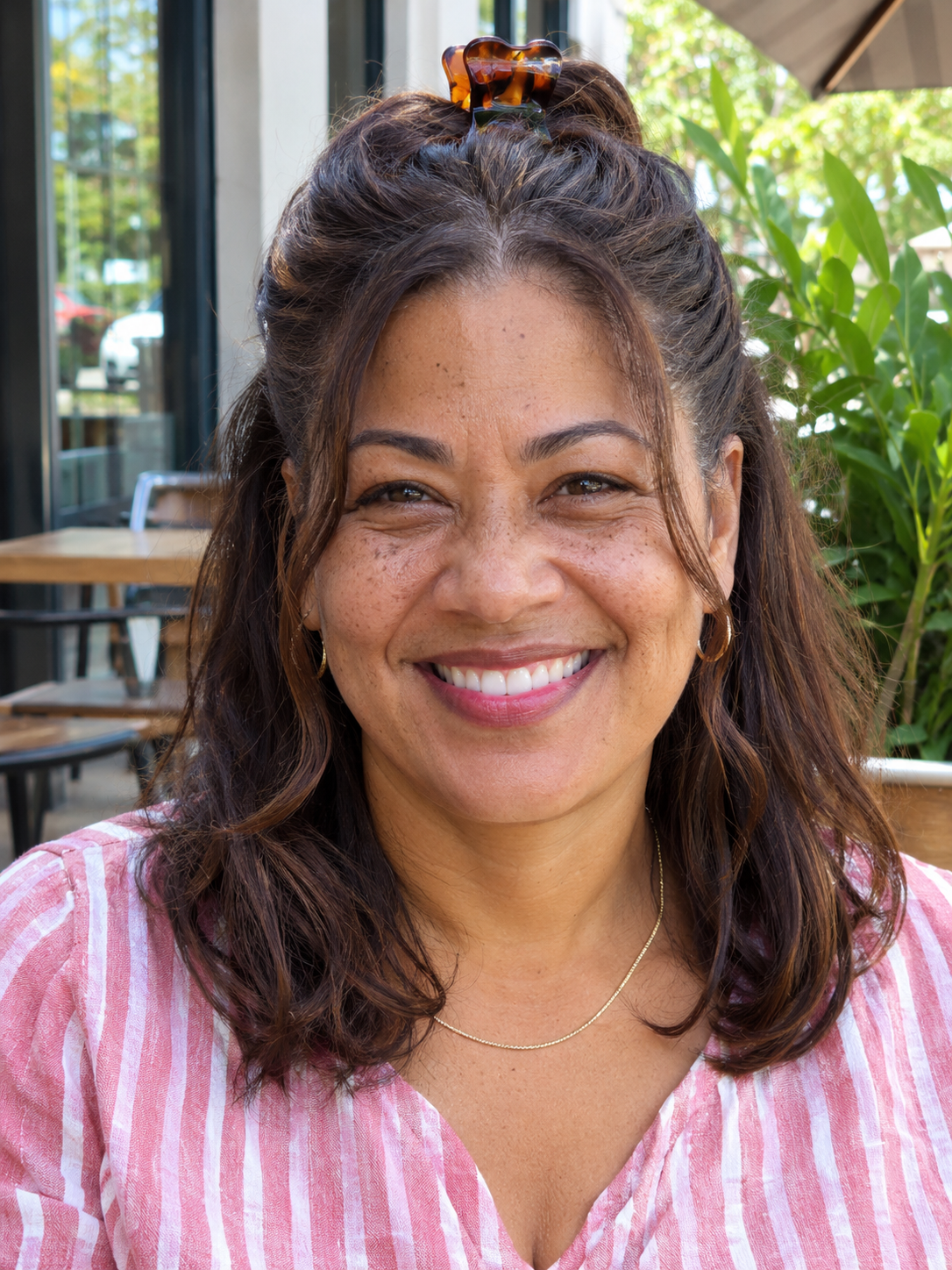
Gather the top half of medium or long hair, twist it once, and secure it at the crown with a claw clip or barrette. The lifted top adds height while the length stays down.
Pull a piece loose at each temple. Second-day hair holds the clip better than freshly washed. Quick, and it keeps hair off the face without a full updo.
Tapered Natural
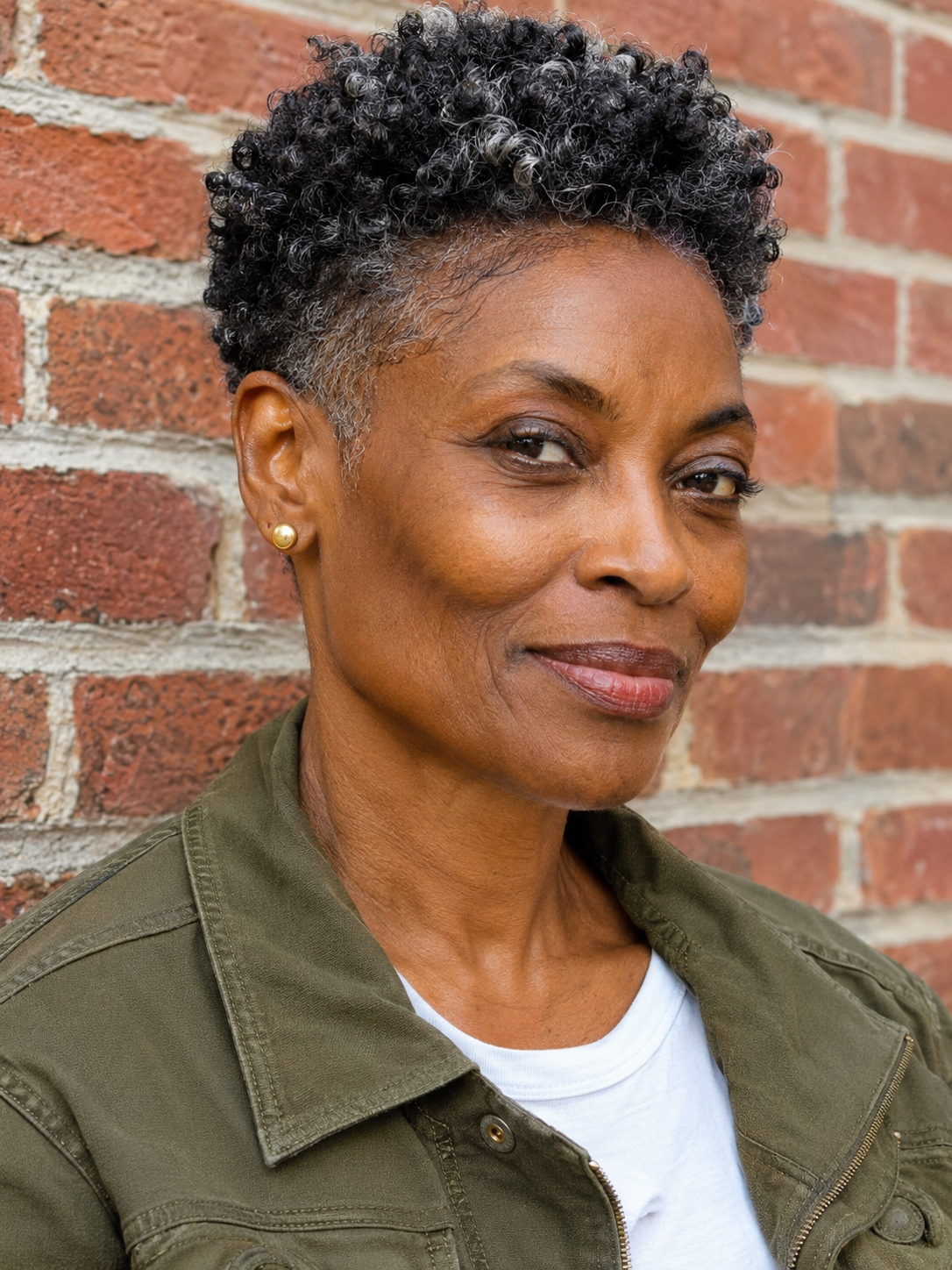
For a Black woman with coily hair, a tapered natural keeps the sides and nape cut close and leaves the top full of defined coils. The taper creates a clean outline while the top shows off the texture.
Sponge the top for sponge curls or finger-coil it with a cream. Short hair, cropped at the sides. Edge control smooths the hairline between trims.
Wedge Cut
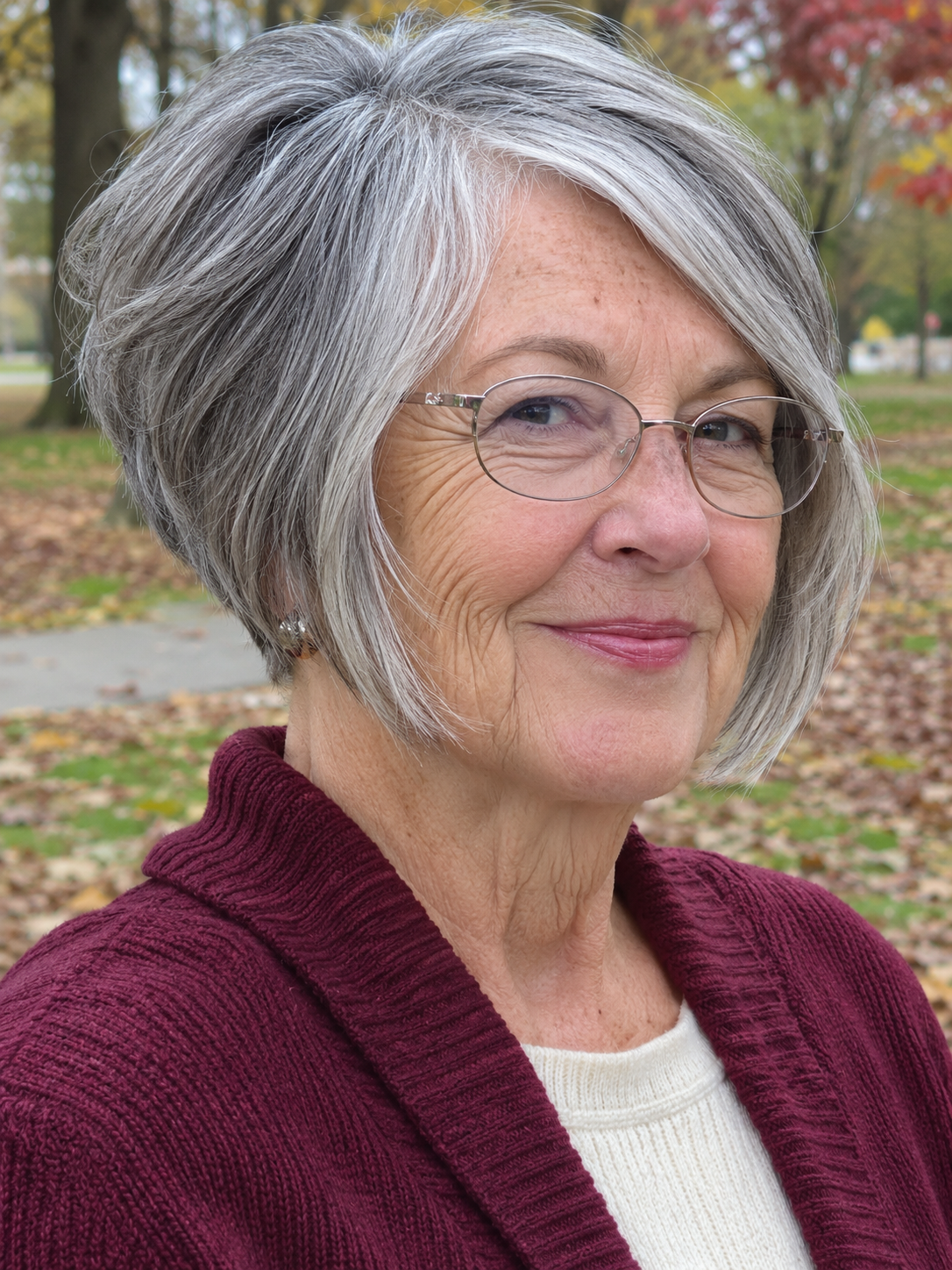
Short at the nape and angled forward to longer pieces at the front, the wedge gives the back a lifted shape that makes the head look fuller from every side. Blow-dry the back up and forward.
Short hair, with the front ending at the jaw at most. The nape stays close so the shape holds between trims. It flatters a long neck and a strong jaw.
Feathered Layers

Medium-length hair with layers that flick outward at the ends brings back the feathered shape in a softer form. Layers start at the cheekbone and sweep away from the face.
Blow-dry each section over a round brush rolling outward. Medium length. A light hold spray keeps the feathered edges in place without stiffness.
Blunt Shoulder Cut
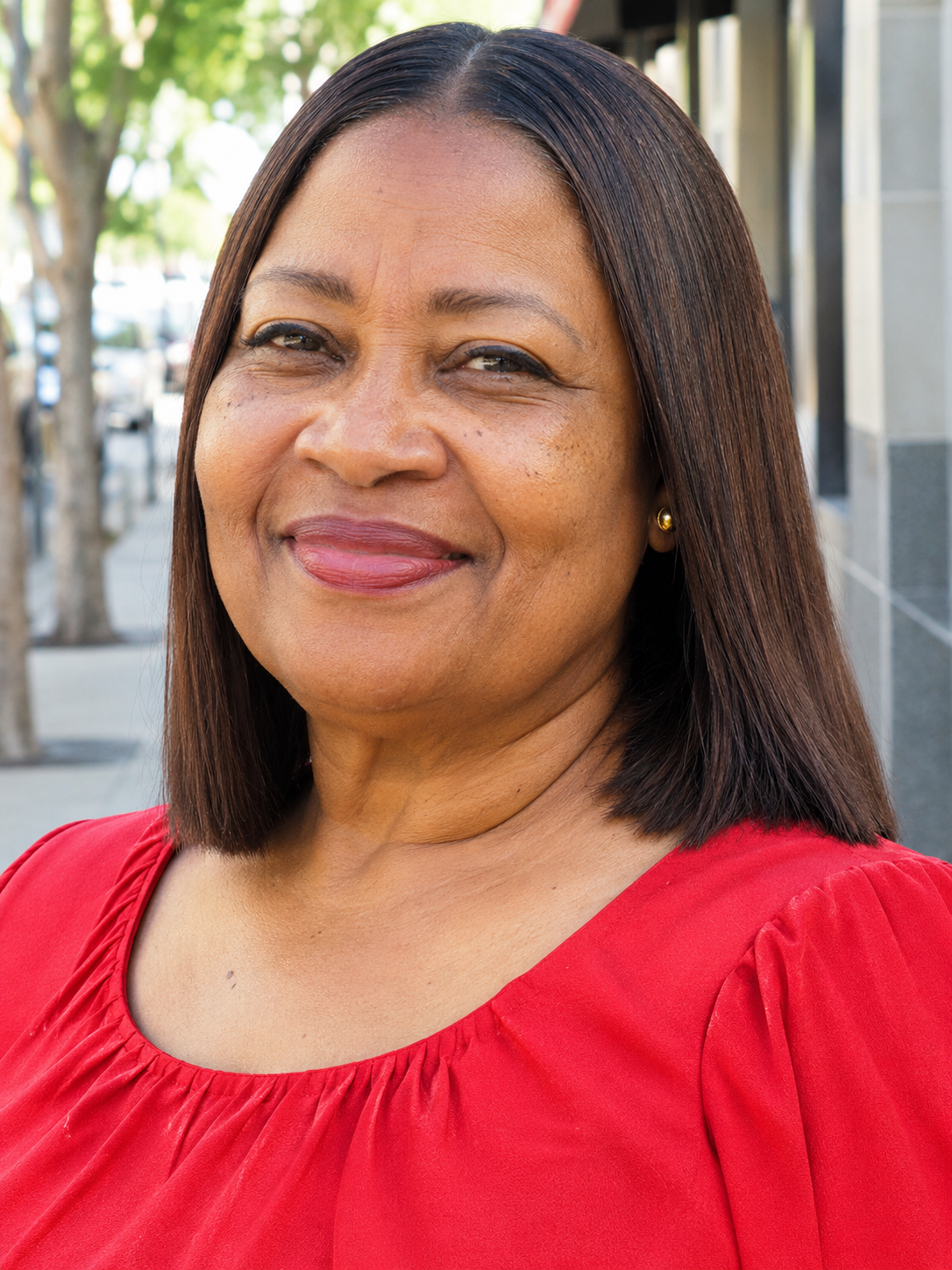
A straight line at the shoulder with no layers gives the thickest-looking ends of any cut. The length tucks into a collar or pulls back easily. Center-part it for the cleanest look.
Keep trims regular, since a blunt line shows splits quickly. Medium length, at the shoulder. A flat iron on medium heat seals the hem into one smooth sheet.
Side-Swept Pixie with Long Bangs
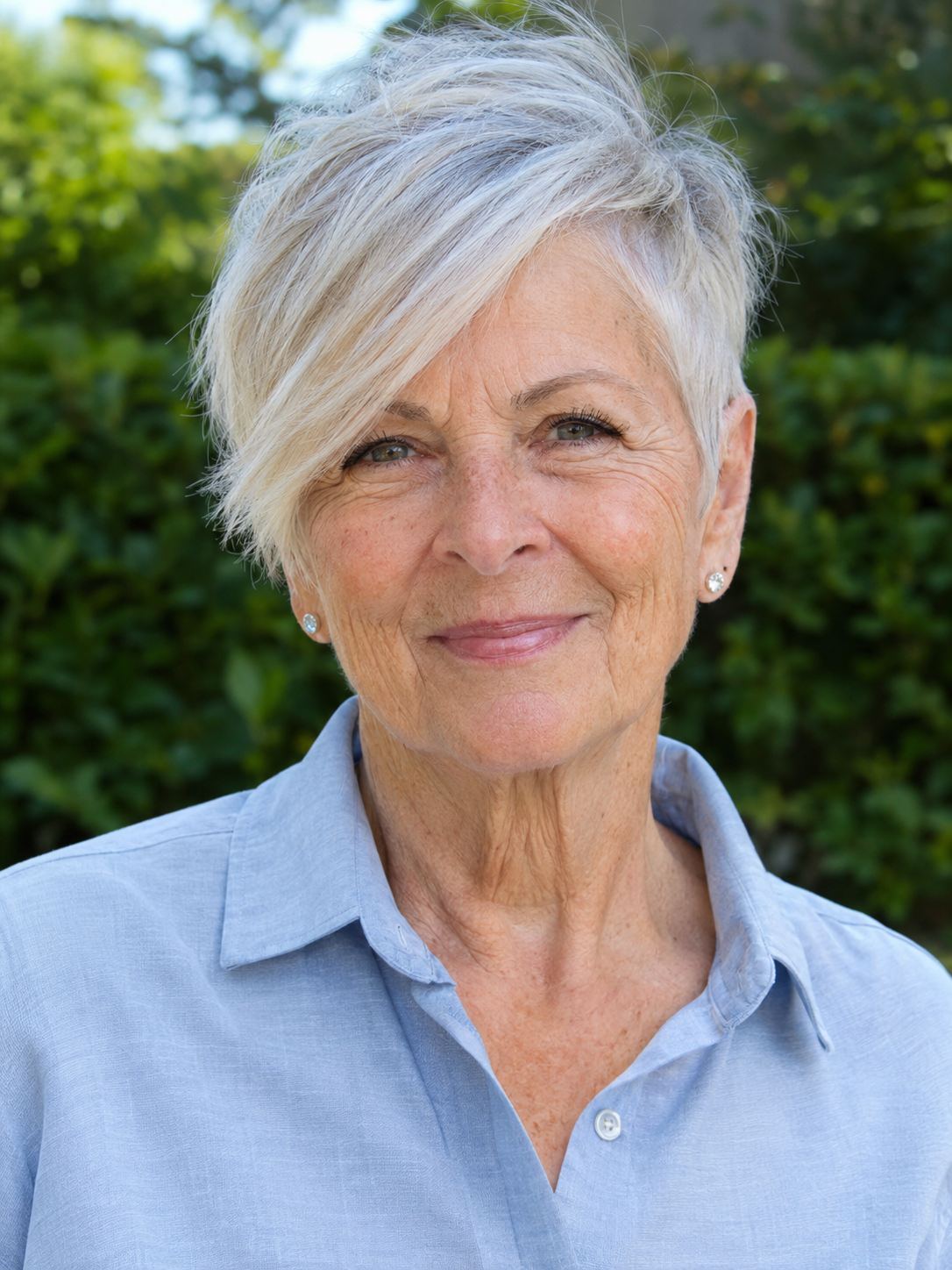
Cropped at the sides and back, with a long fringe swept across the forehead to one side, this pixie covers the hairline and softens the face. The long bangs reach the cheekbone and can be tucked behind the ear.
A little light paste at the roots lifts the top. Short hair above the ears. The fringe grows into a longer sweep without an awkward stage.
Twist Out
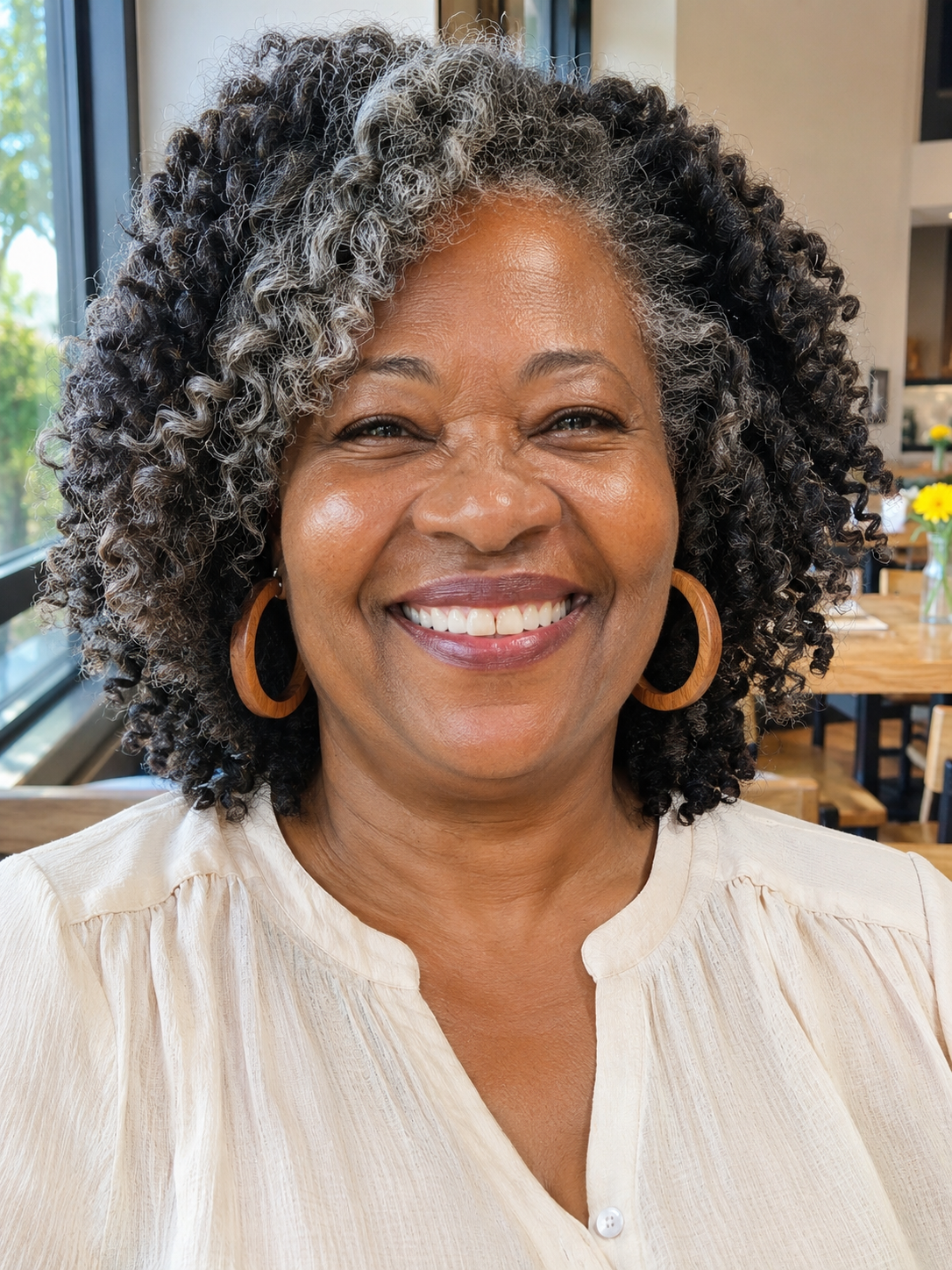
Two-strand twists set on damp hair overnight and unraveled in the morning give a Black woman's natural hair a defined, full wave-curl pattern.
Apply a leave-in and a curl cream to each section before twisting. Unravel gently once dry and fluff at the roots. Medium length, with the texture pulling it shorter. A satin bonnet keeps it for three or four days.
Low Ponytail
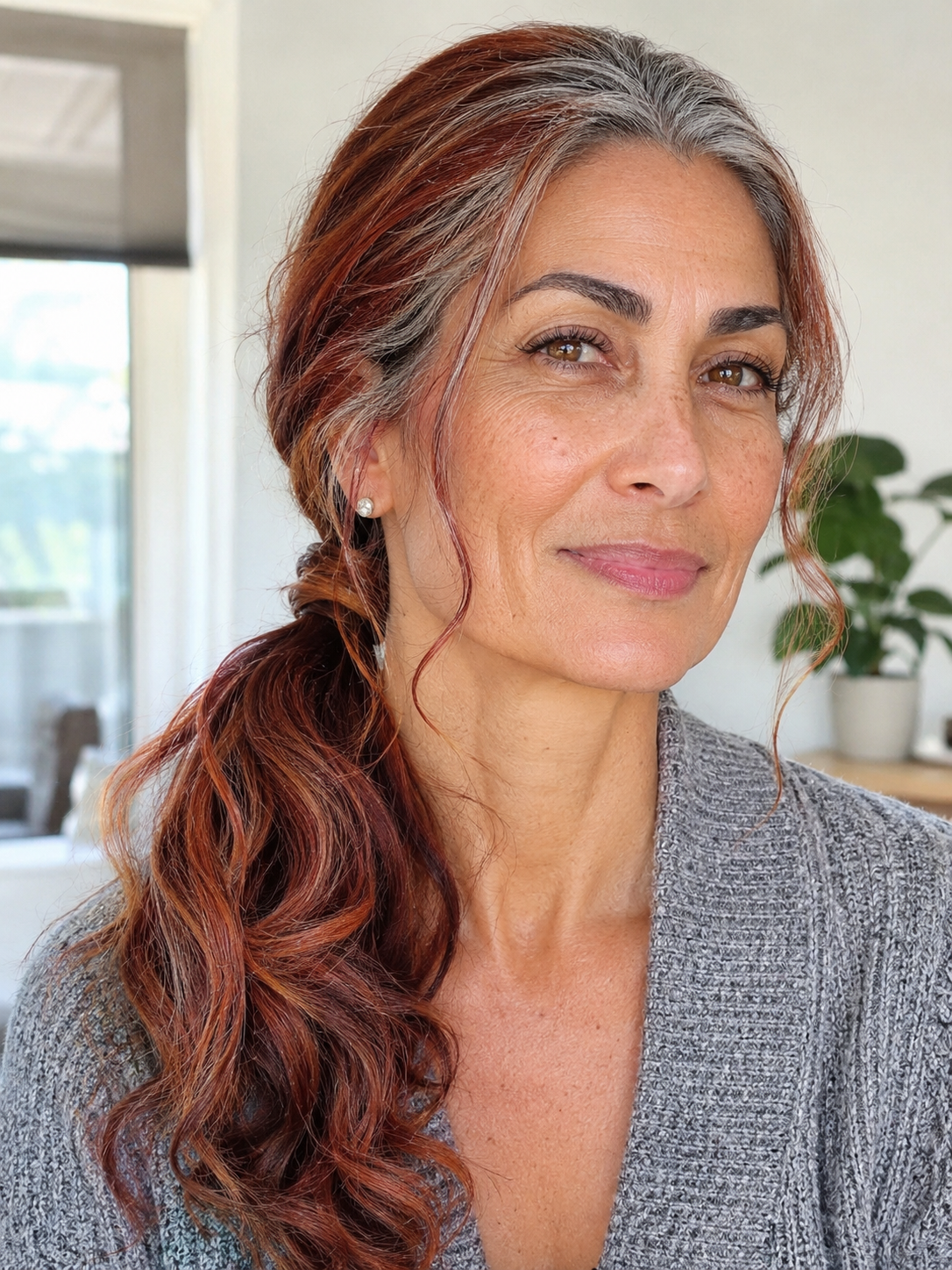
Pull longer hair back into a low ponytail at the nape, smooth the top with a brush, and wrap a section of hair around the elastic. The low placement keeps it elegant.
Pull two short pieces loose at the temples for softness. It works on straight, wavy, or curly hair past the shoulders and takes two minutes.
Comments
No Comments