
Short hairstyles for thin fine hair can feel risky, but the right cut changes everything. Fine hair needs structure, smart layering, and clean shapes to look fuller. Short lengths help because they remove weight that pulls hair flat. They also make daily styling faster and more predictable. With the right details, short hair can look soft, modern, and confident. This guide focuses on cuts that add lift, shape, and movement without heavy styling. These styles work in real life, not just in photos. Let’s break down what helps thin fine hair look its best.
Why Short Hairstyles for Thin Fine Hair Make Sense
Short hairstyles for thin fine hair work because they control volume instead of fighting it. Long lengths stretch fine strands and expose sparse areas. Short cuts lift hair at the roots and keep ends from looking wispy. A good shape creates the illusion of density. You see structure first, not thinness. That shift changes everything.
Another reason short hairstyles for thin fine hair succeed is styling ease. Fine hair responds quickly to heat and product. Short cuts need less effort to look polished. Blow drying takes minutes, not forever. Even air drying looks better with the right cut. That consistency builds confidence and saves time.
Short Hairstyles for Thin Fine Hair That Add Shape and Lift
Textured Pixie for Fine Hair
A textured pixie works well for thin fine hair because it adds lift at the crown. Short layers break up flatness and create movement. This cut suits oval, heart, and square faces. Fine straight or slightly wavy hair benefits most. Styling stays simple. Use a small amount of texturizing cream and finger style. It fits busy lifestyles and works well in warm climates or active routines.

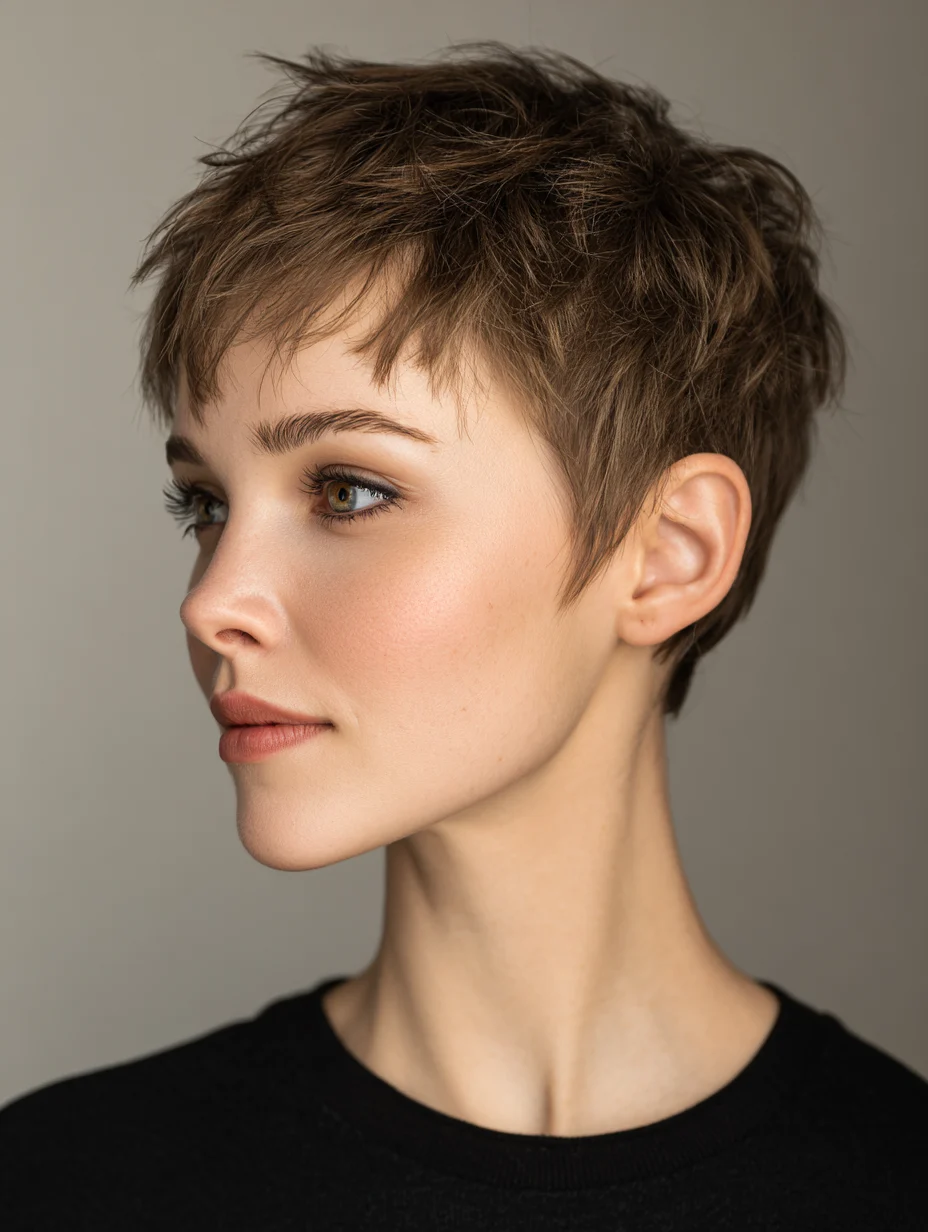

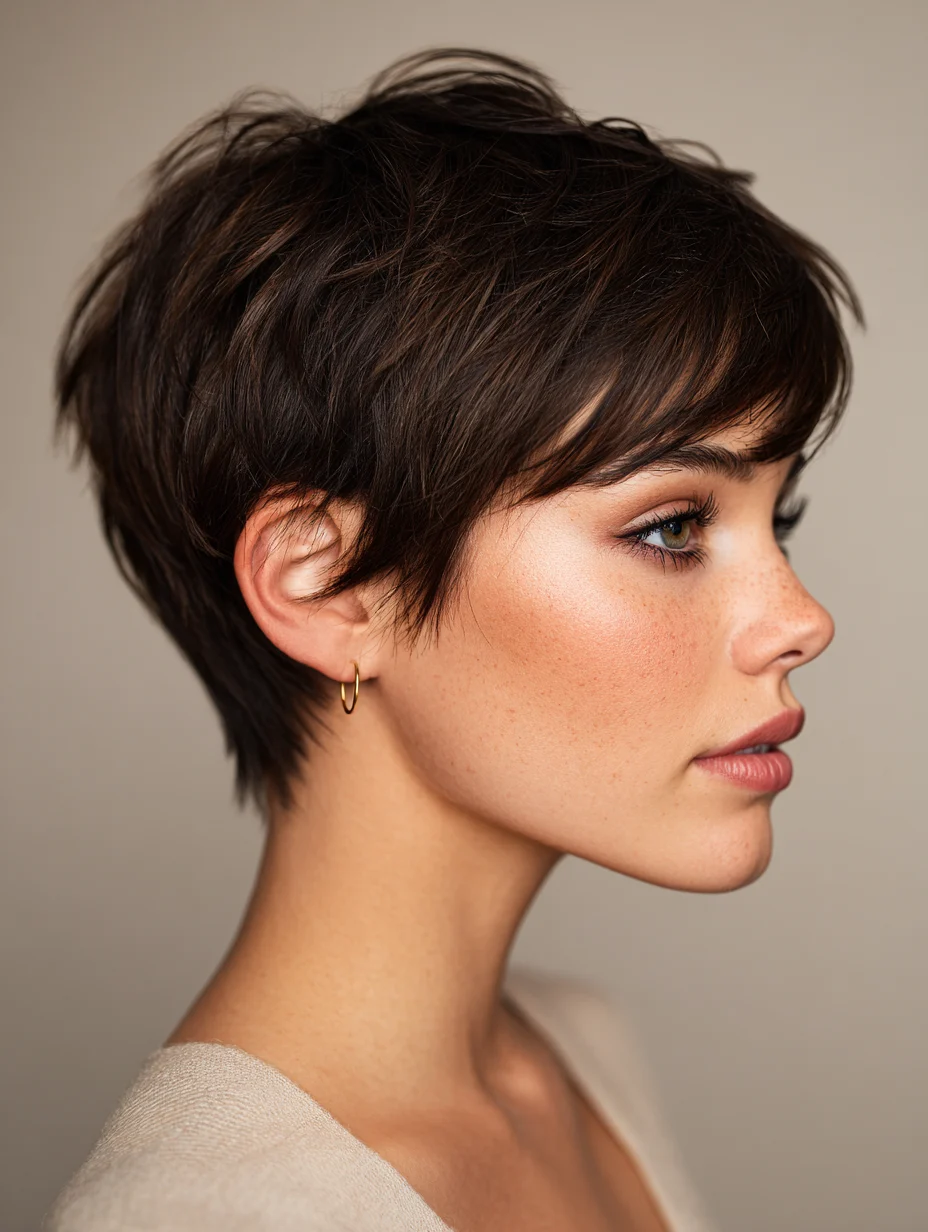
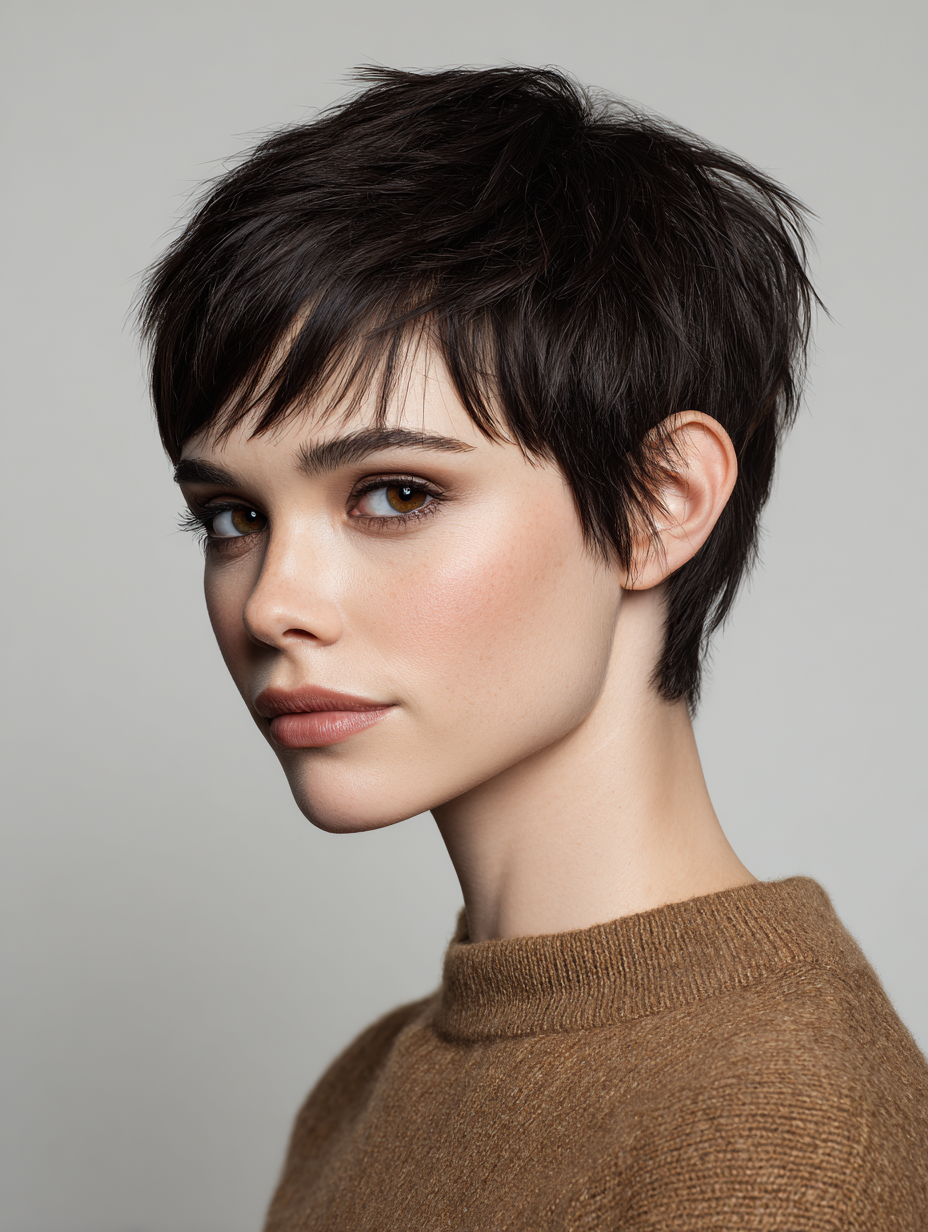
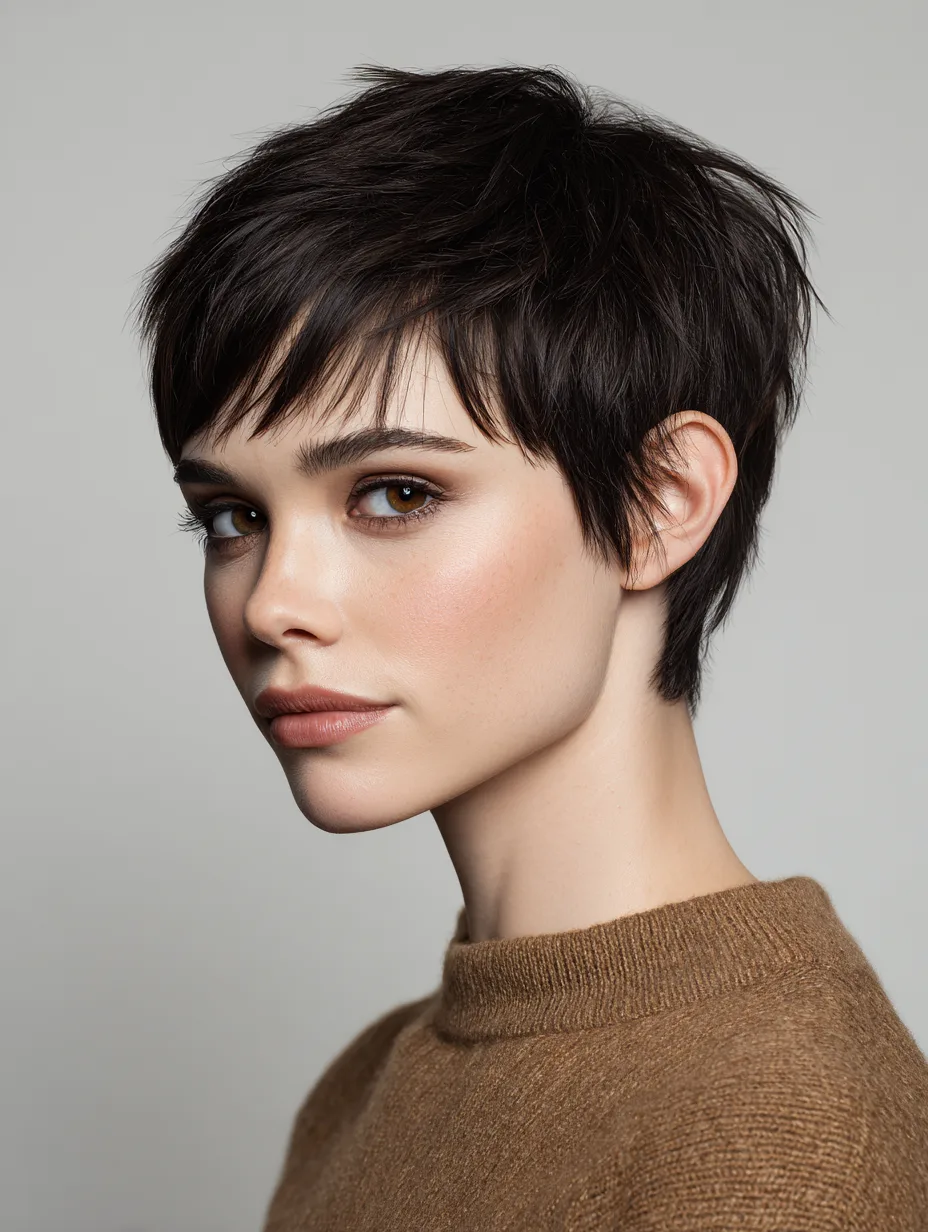
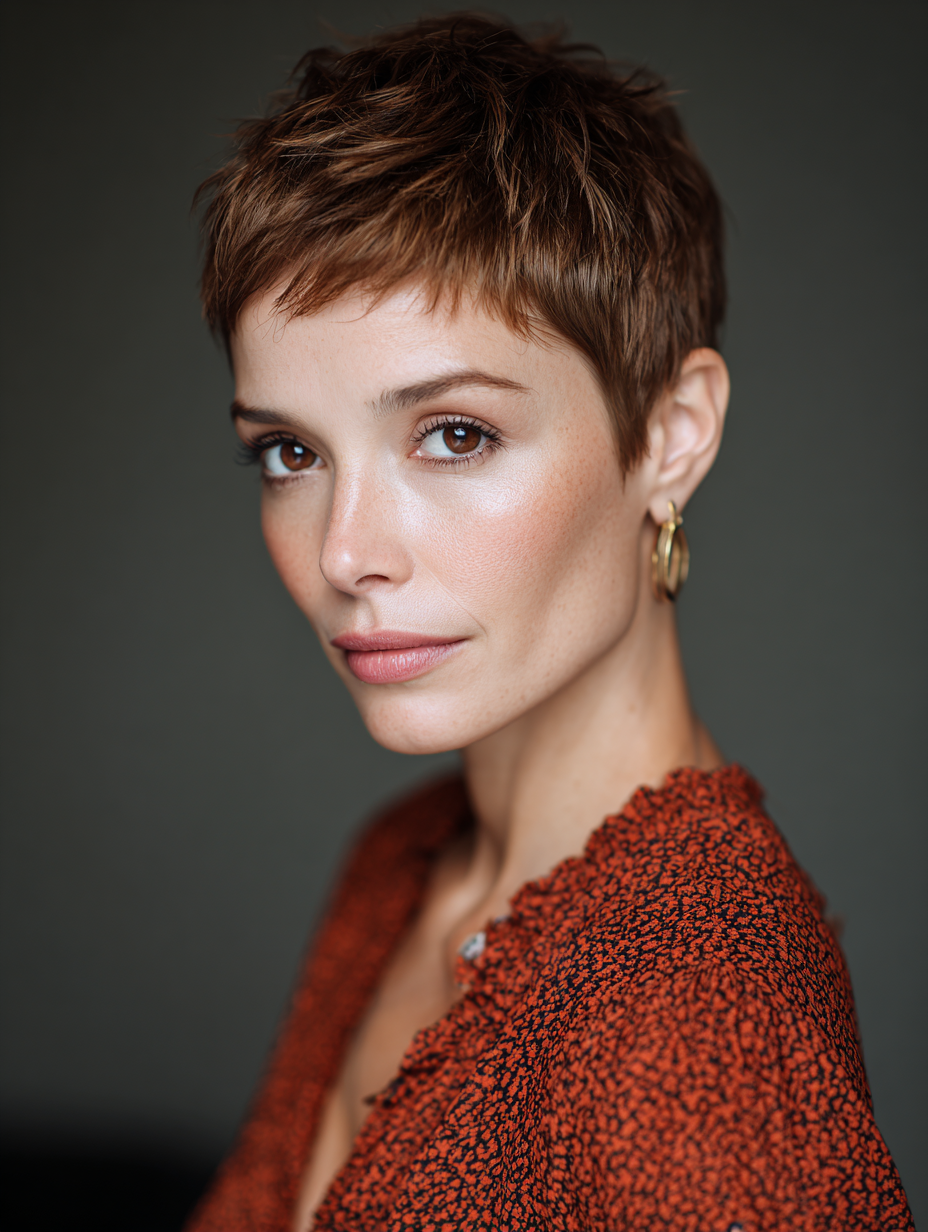
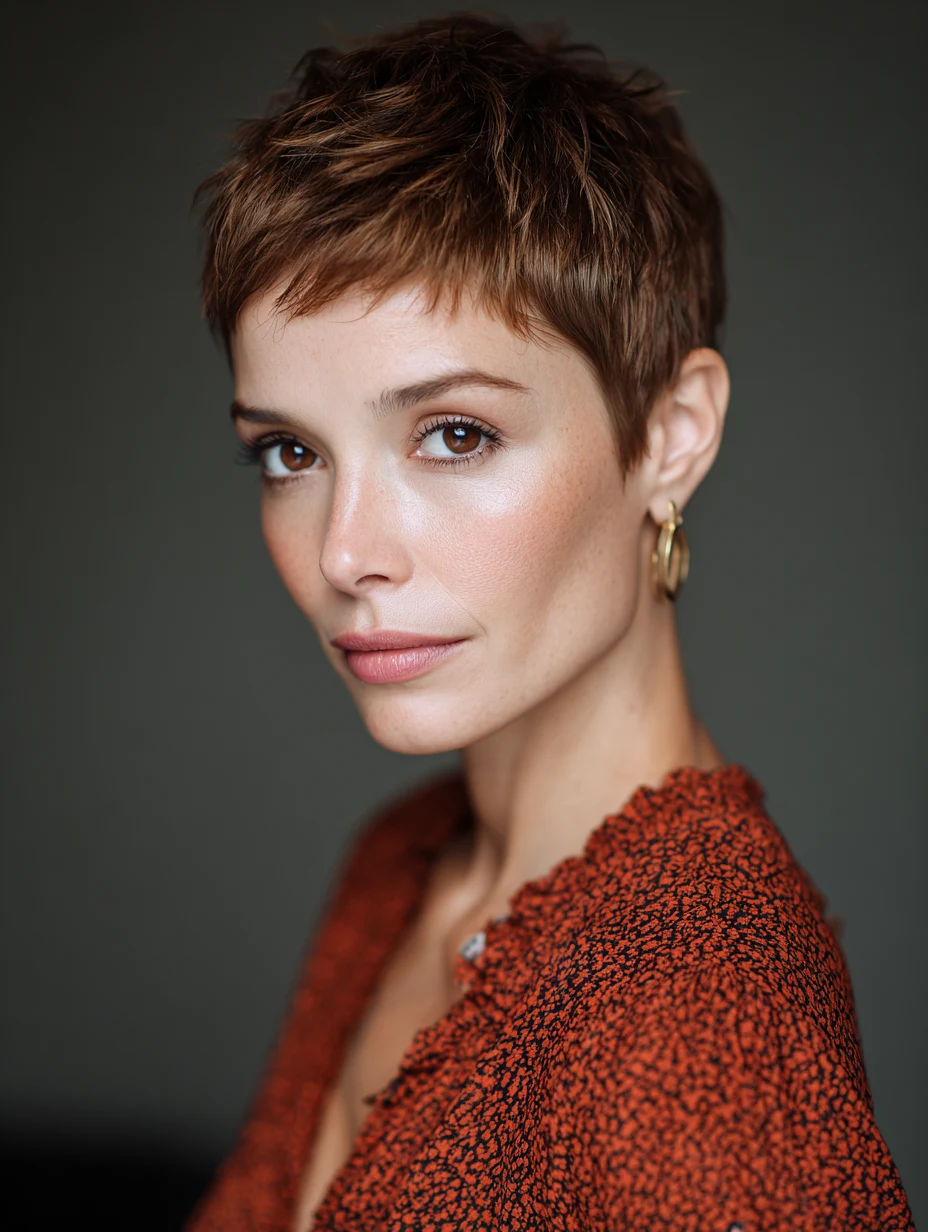
This style stays easy to maintain because trims keep the shape sharp. You avoid heavy products that weigh hair down. The cut frames facial features and highlights cheekbones. It also works for women who want a bold but practical look. If you like low effort mornings, this cut delivers consistent results.
Short Layered Bob for Thin Fine Hair
A short layered bob adds fullness where thin hair needs it most. Layers create lift around the crown and sides. The length helps balance round or long face shapes. Fine hair gains movement without looking frayed. Blow dry with a round brush for volume. You can also wear it slightly tousled for a softer finish.
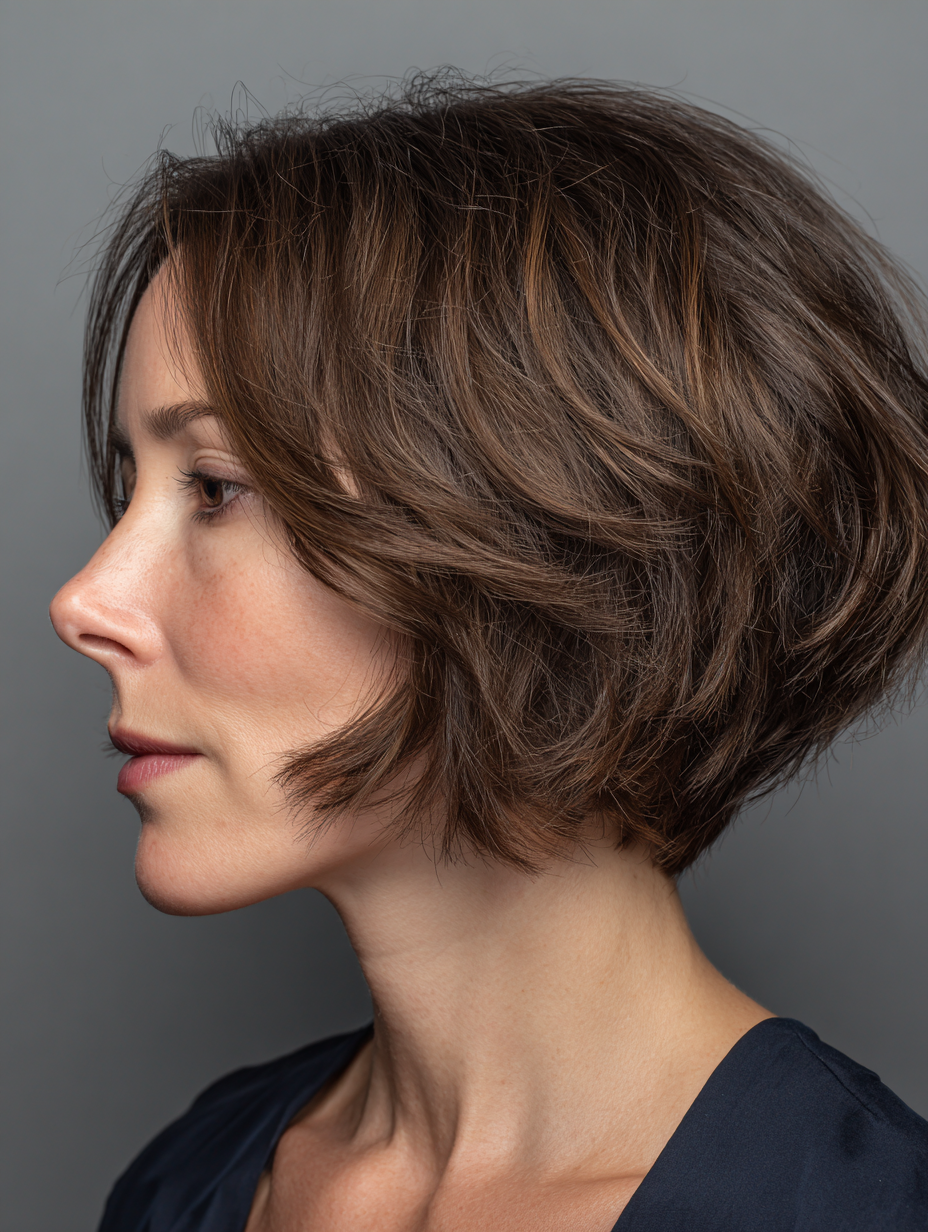
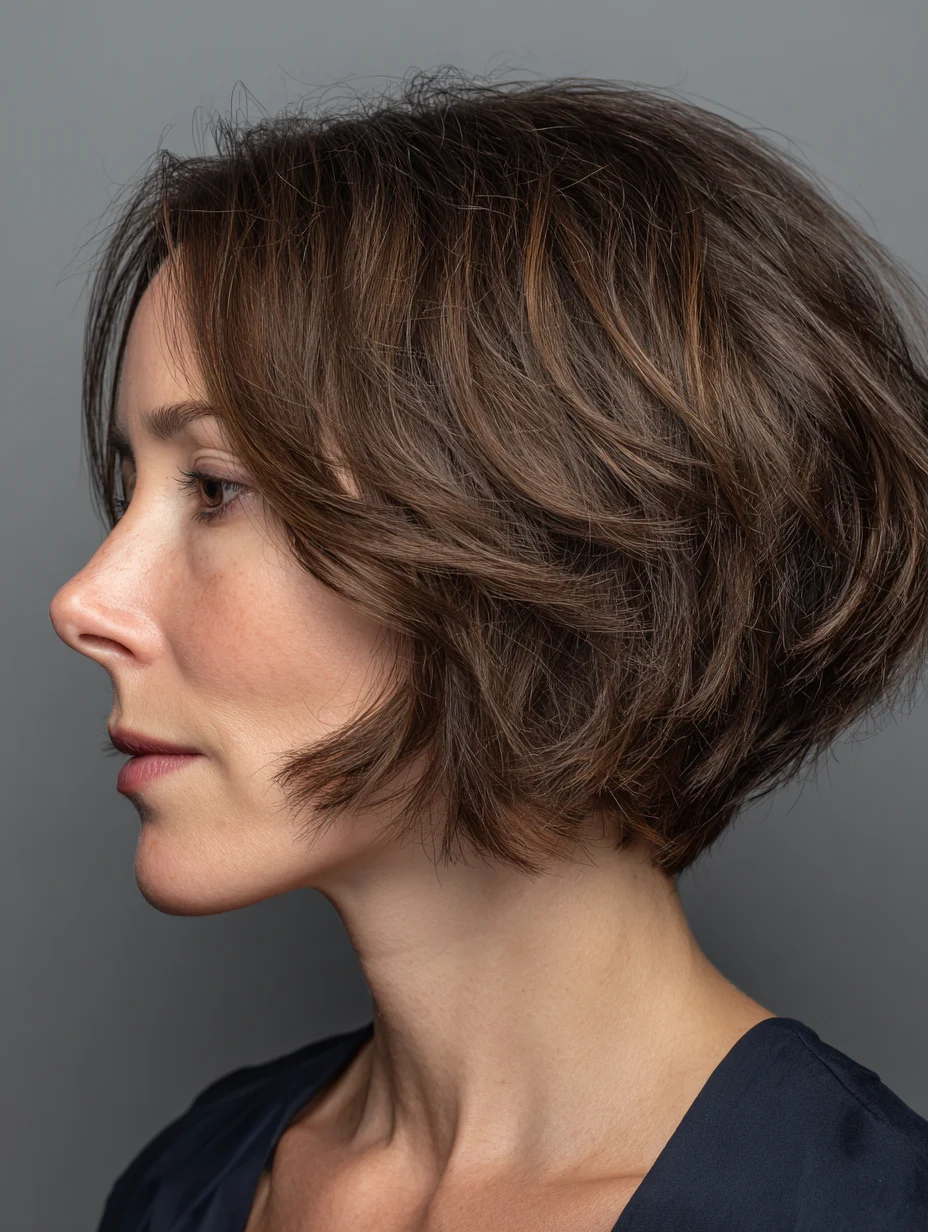
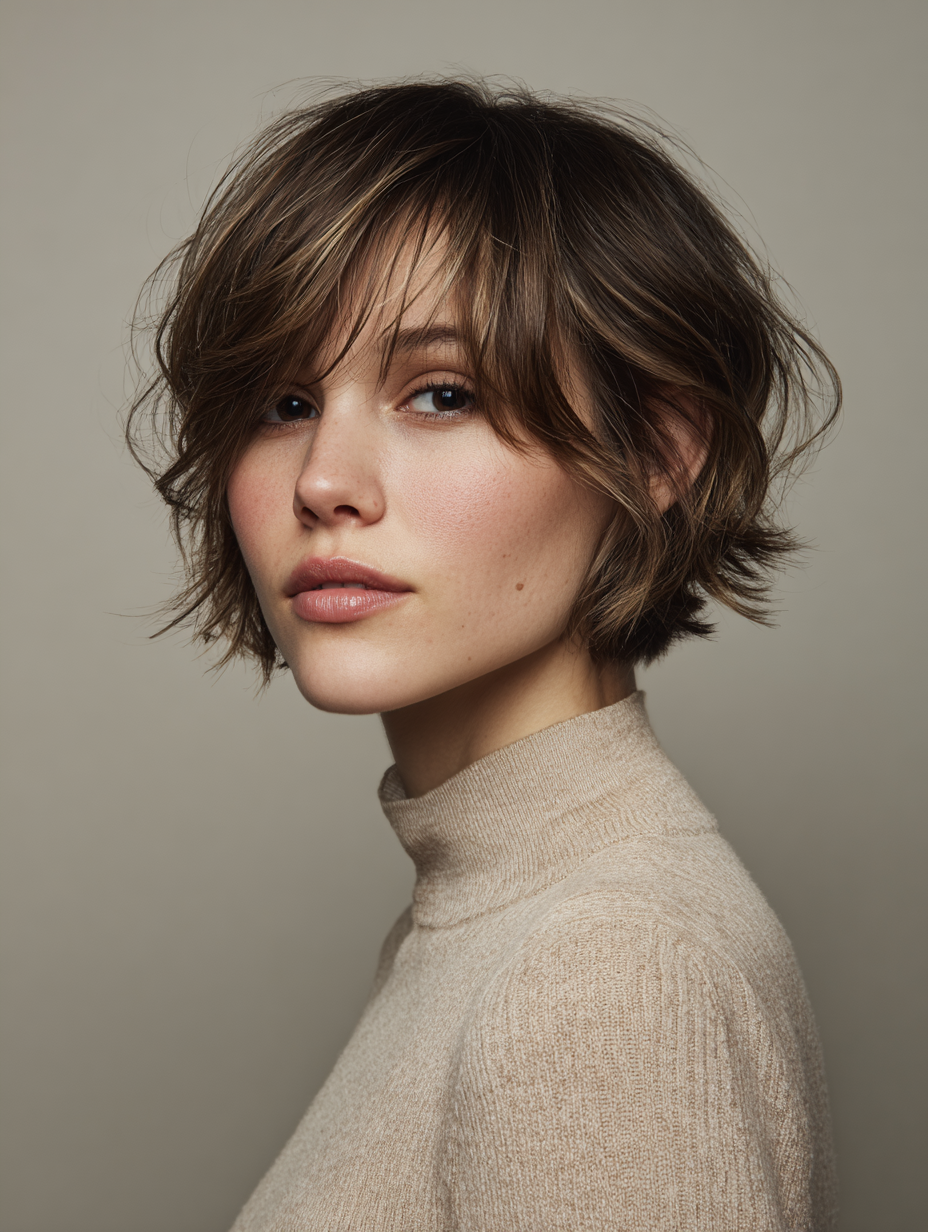
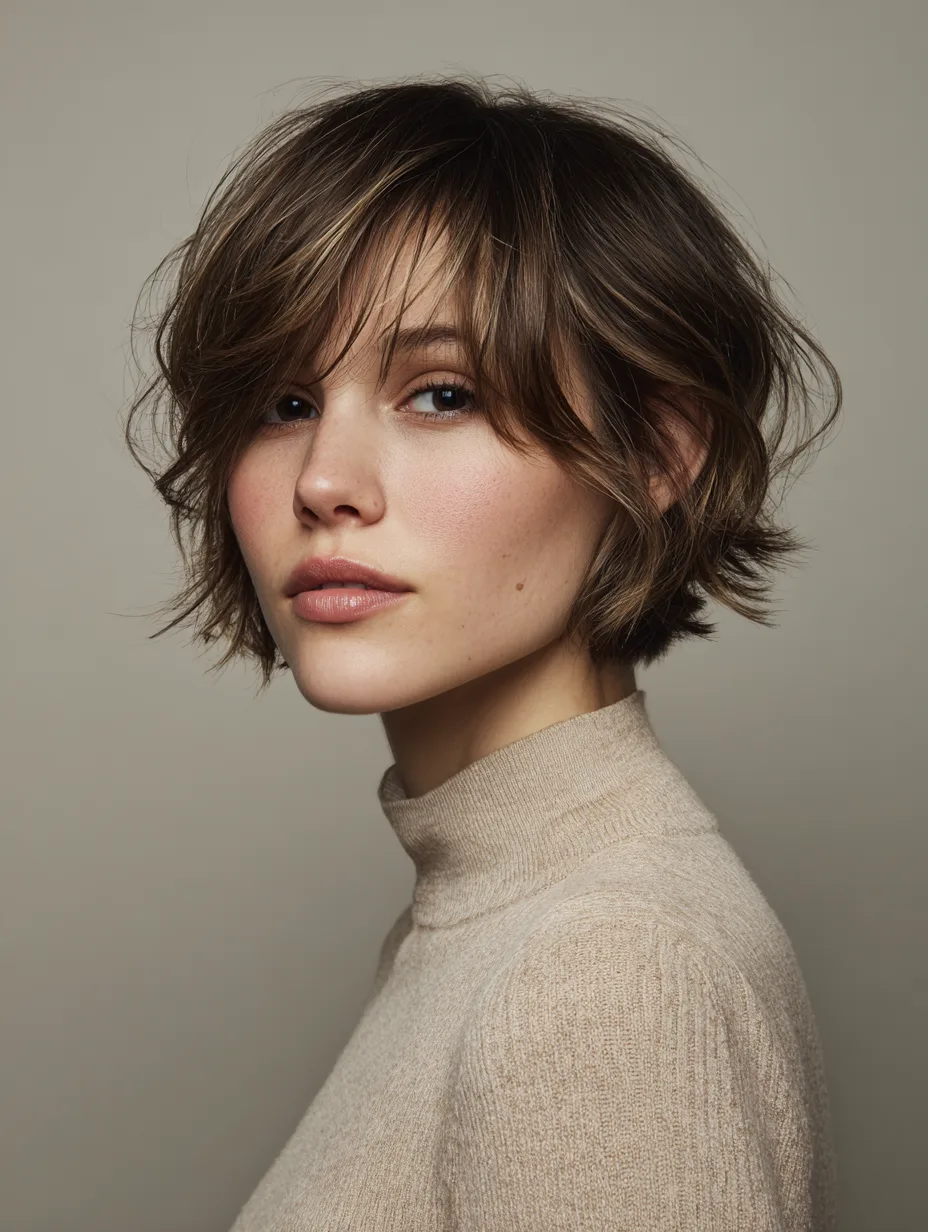

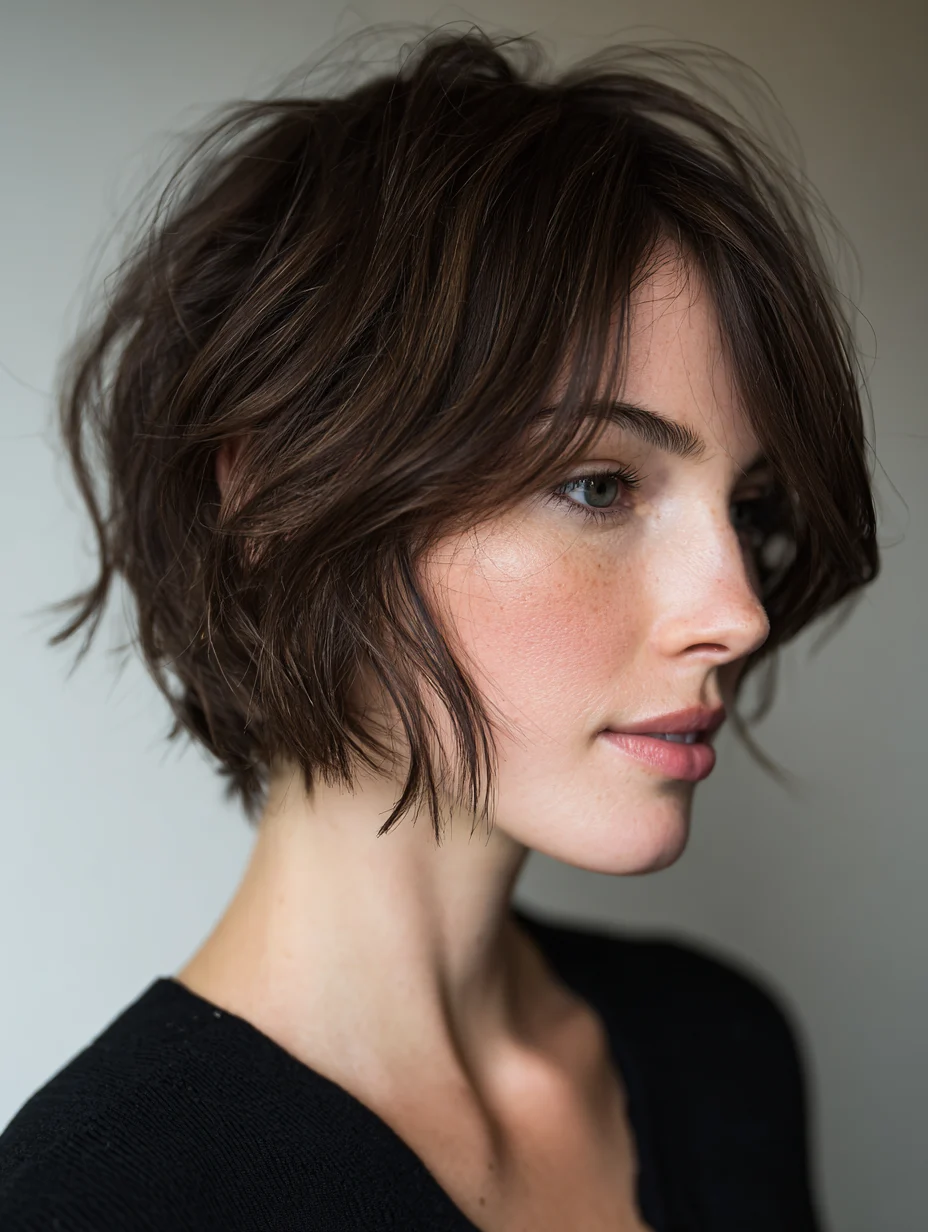
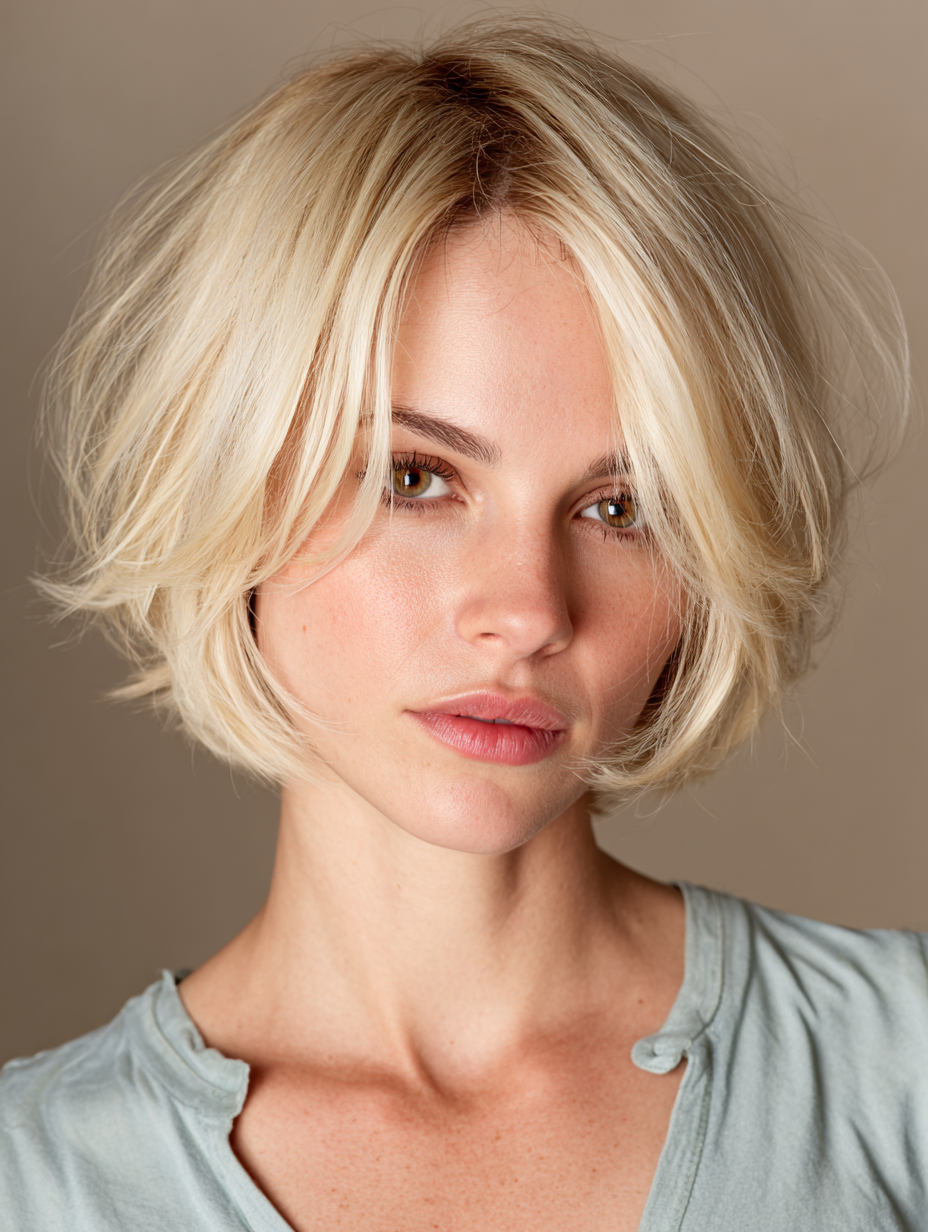
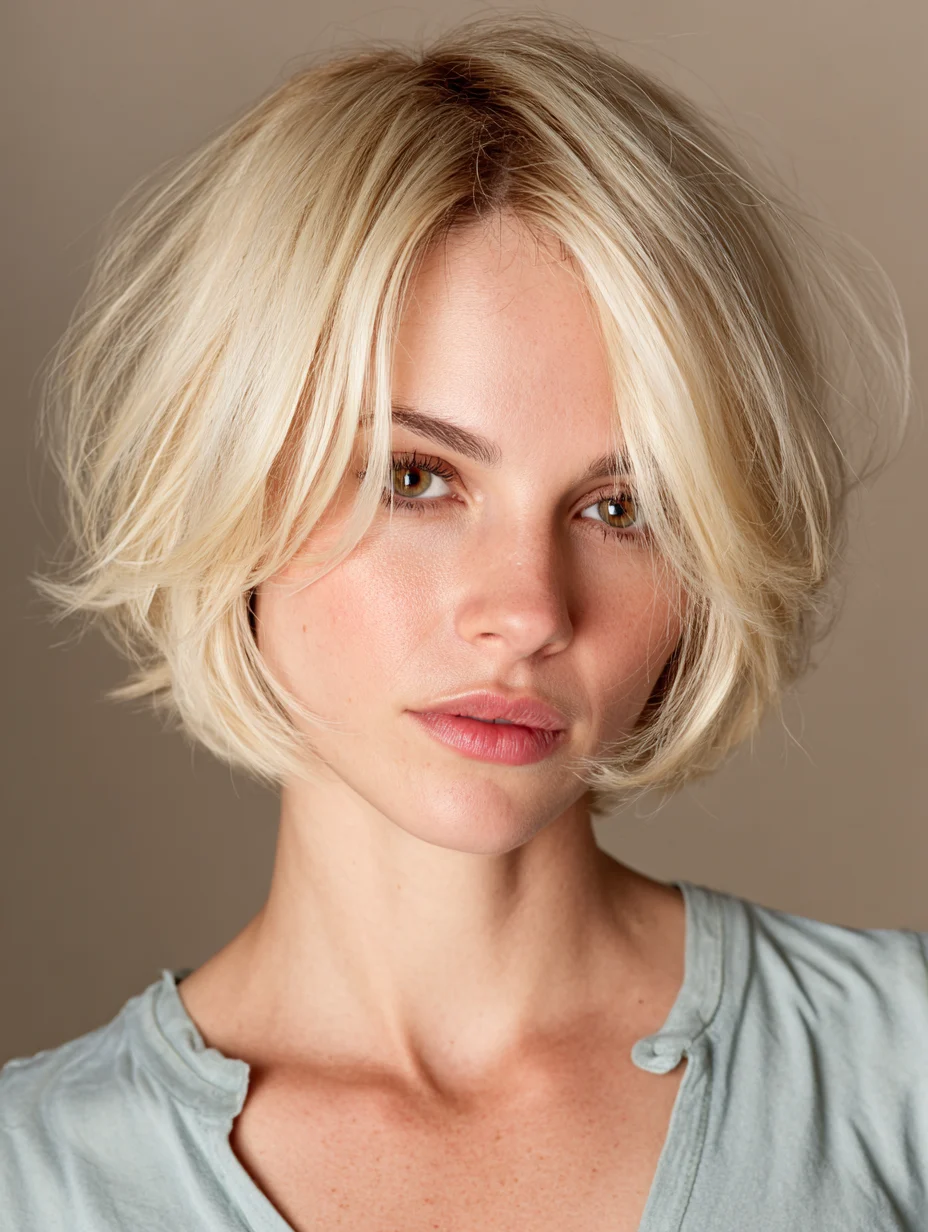
This style fits professional and casual settings equally well. Maintenance feels manageable because the length stays controlled. Regular trims keep ends clean and healthy. The bob adapts easily to side parts or soft waves. If you want a flexible cut that still looks intentional, this option works well.
Soft Shag Cut for Thin Fine Hair
A short shag cut gives thin fine hair texture without harsh lines. Light layers create movement and reduce flat spots. This style suits oval and square faces especially well. Fine hair with natural wave benefits the most. Scrunch in a lightweight mousse and let it air dry. The result feels relaxed, not styled.

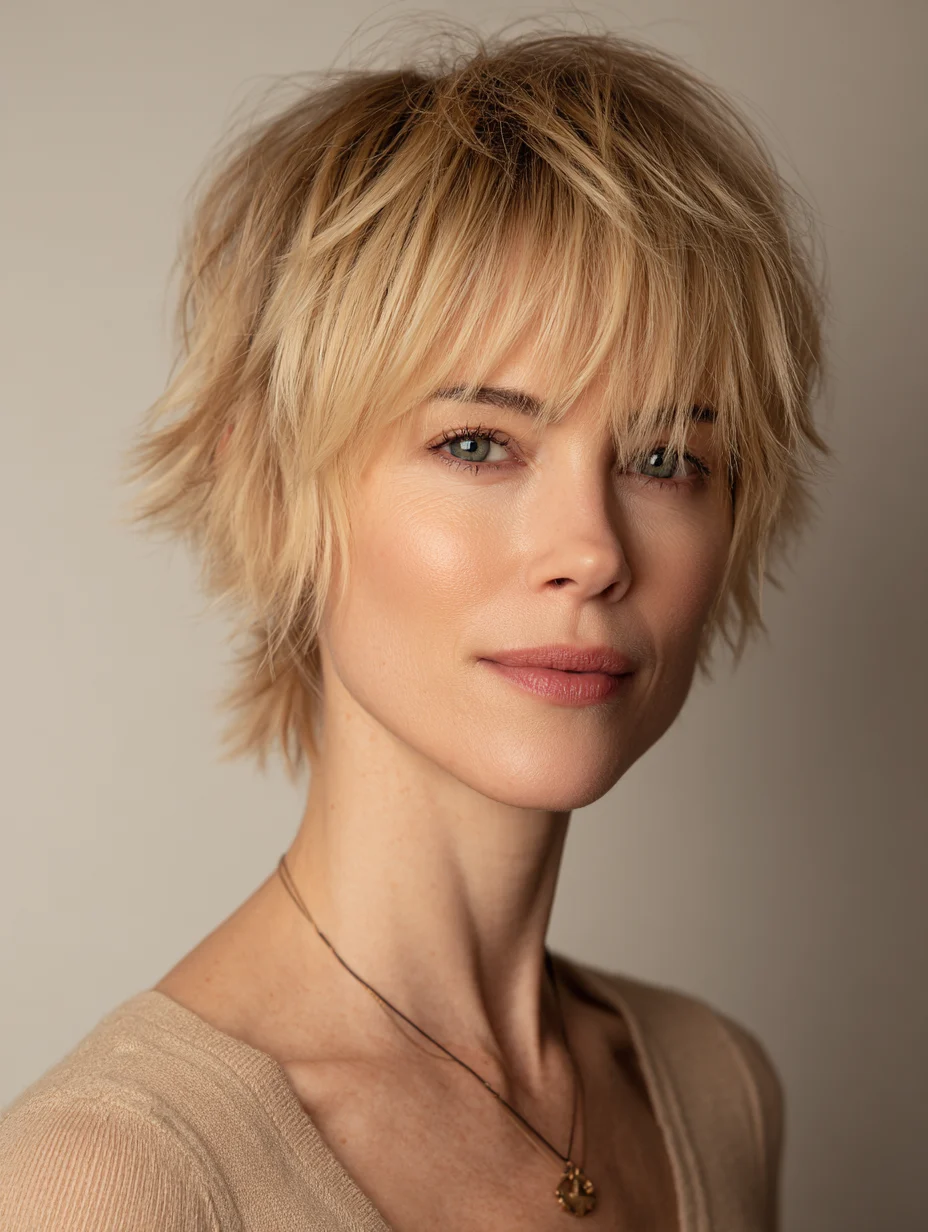
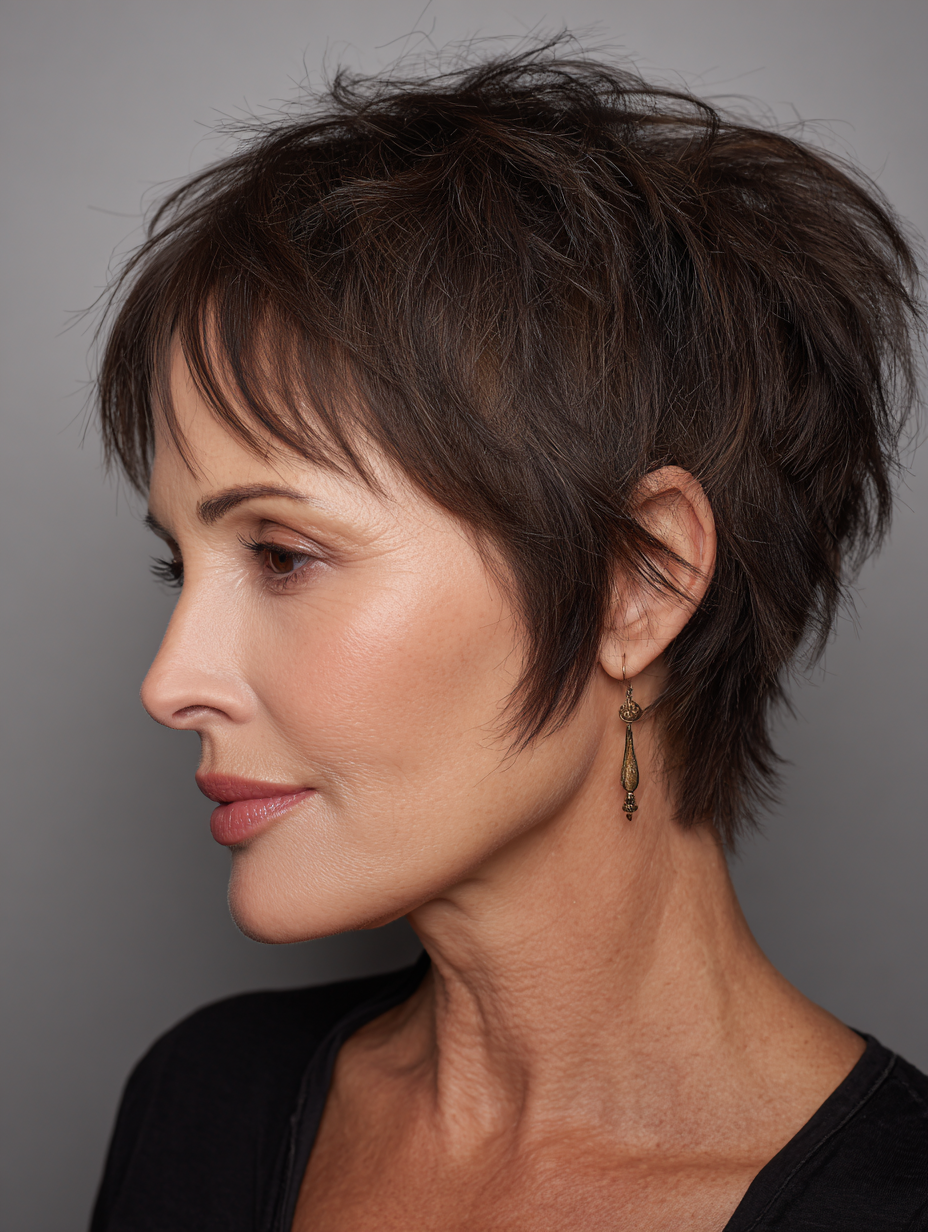
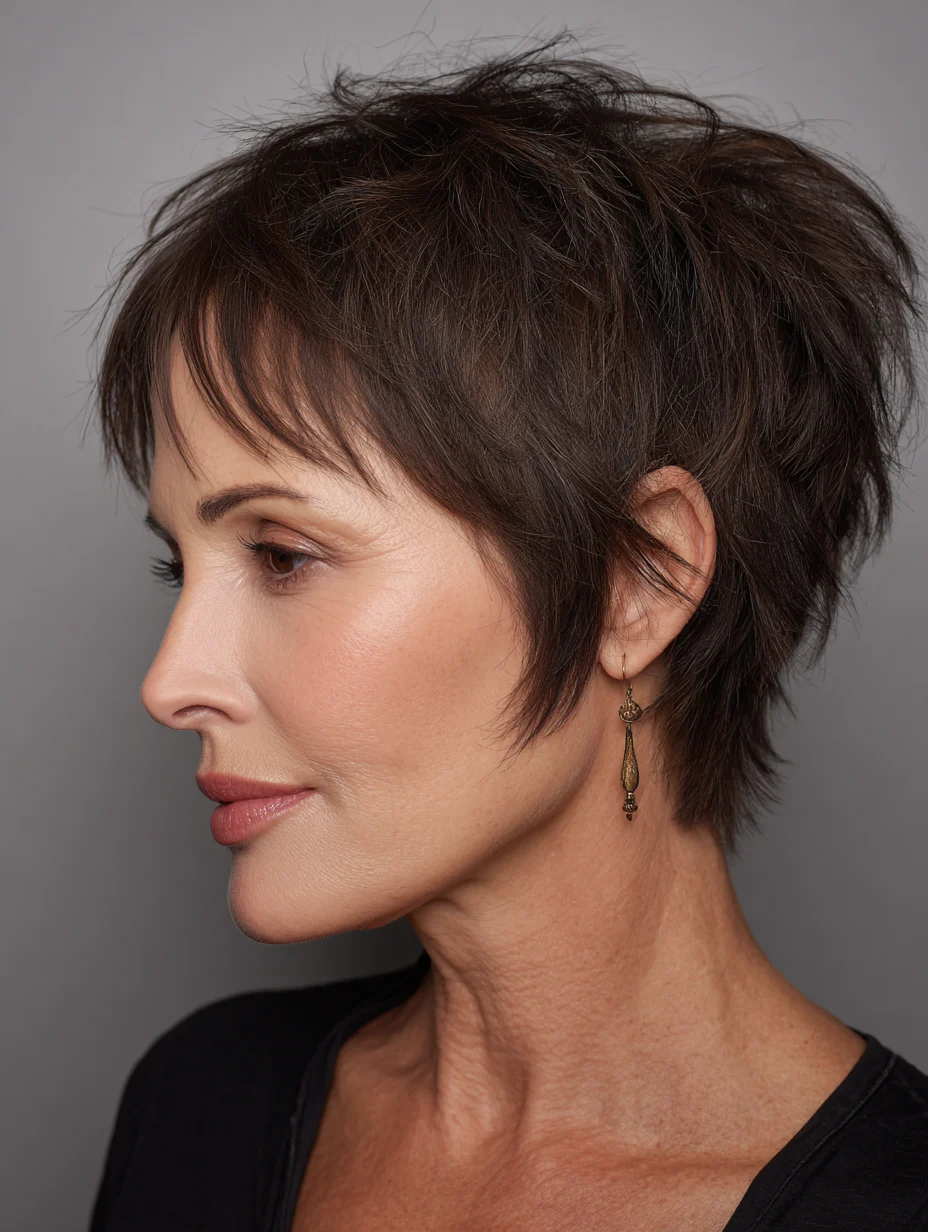

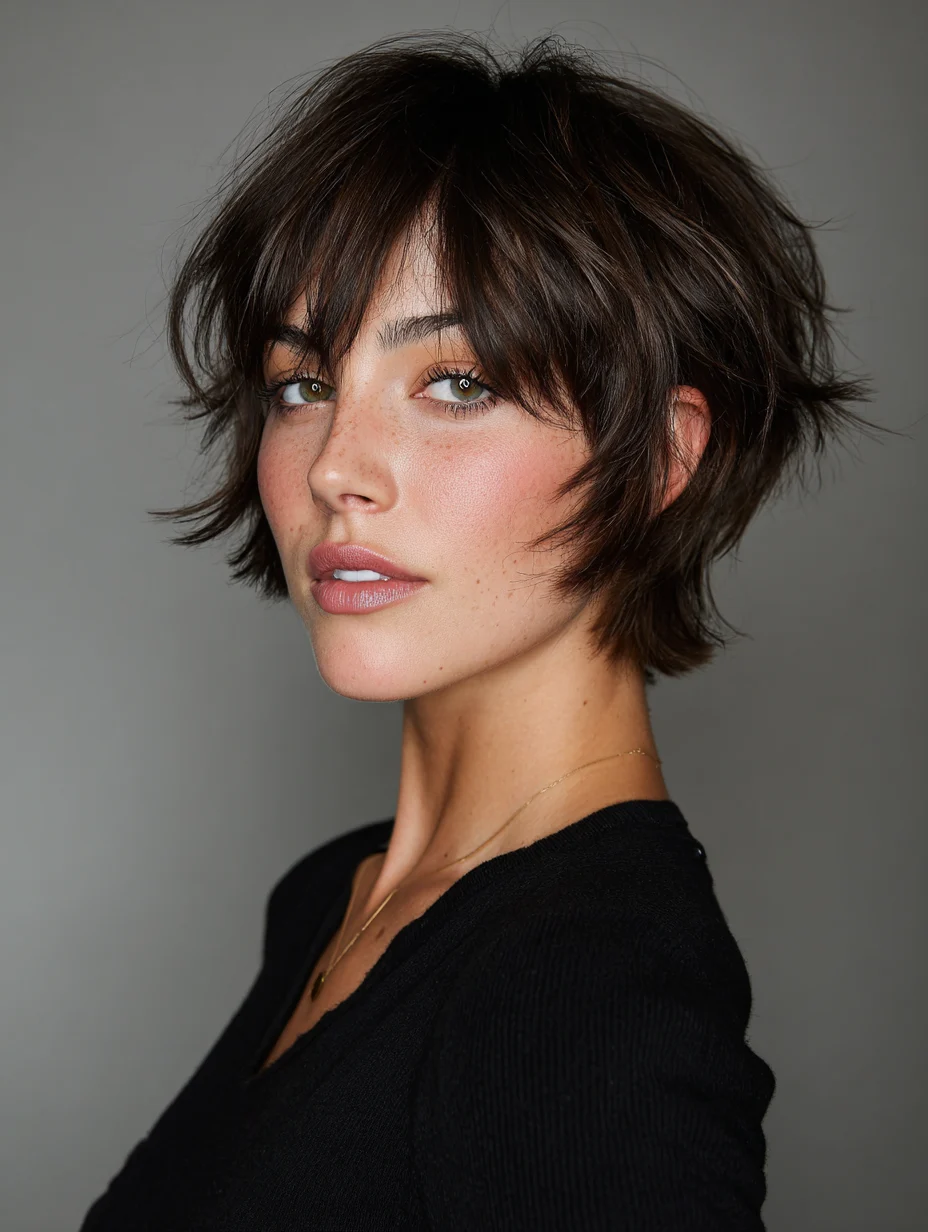

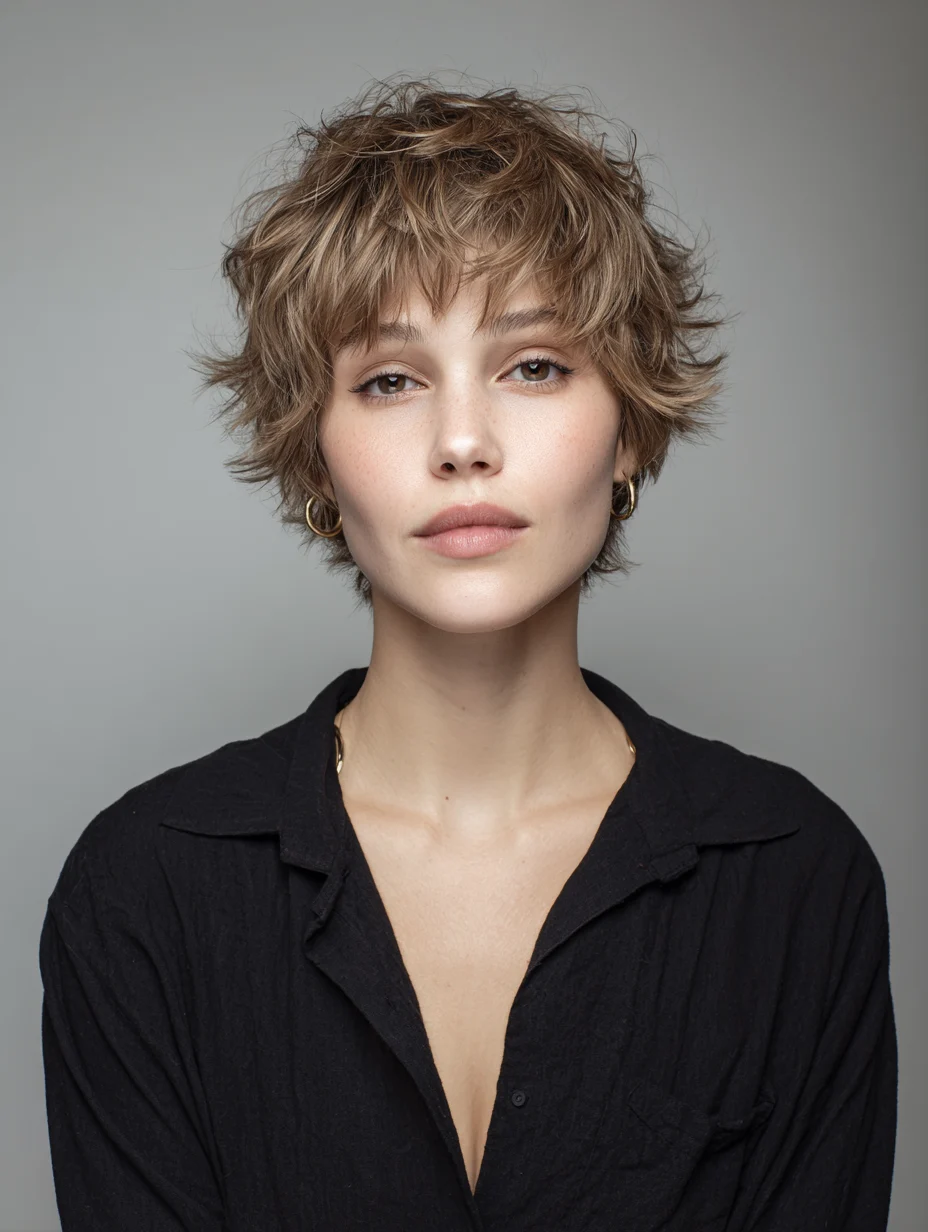
The shag works for people who prefer a lived in look. It hides thinning areas by spreading volume across the head. Styling stays forgiving and fast. This cut fits creative lifestyles and casual dress codes. If you dislike stiff or structured styles, the shag feels more natural.
Blunt Short Bob for Thin Fine Hair
A blunt short bob works because clean edges make thin fine hair look thicker. The straight line at the ends adds visual weight. This cut suits oval and heart face shapes well. Fine straight hair benefits most, but light waves also work. Blow dry with a flat brush for a smooth finish. The shape stays sharp without heavy styling.

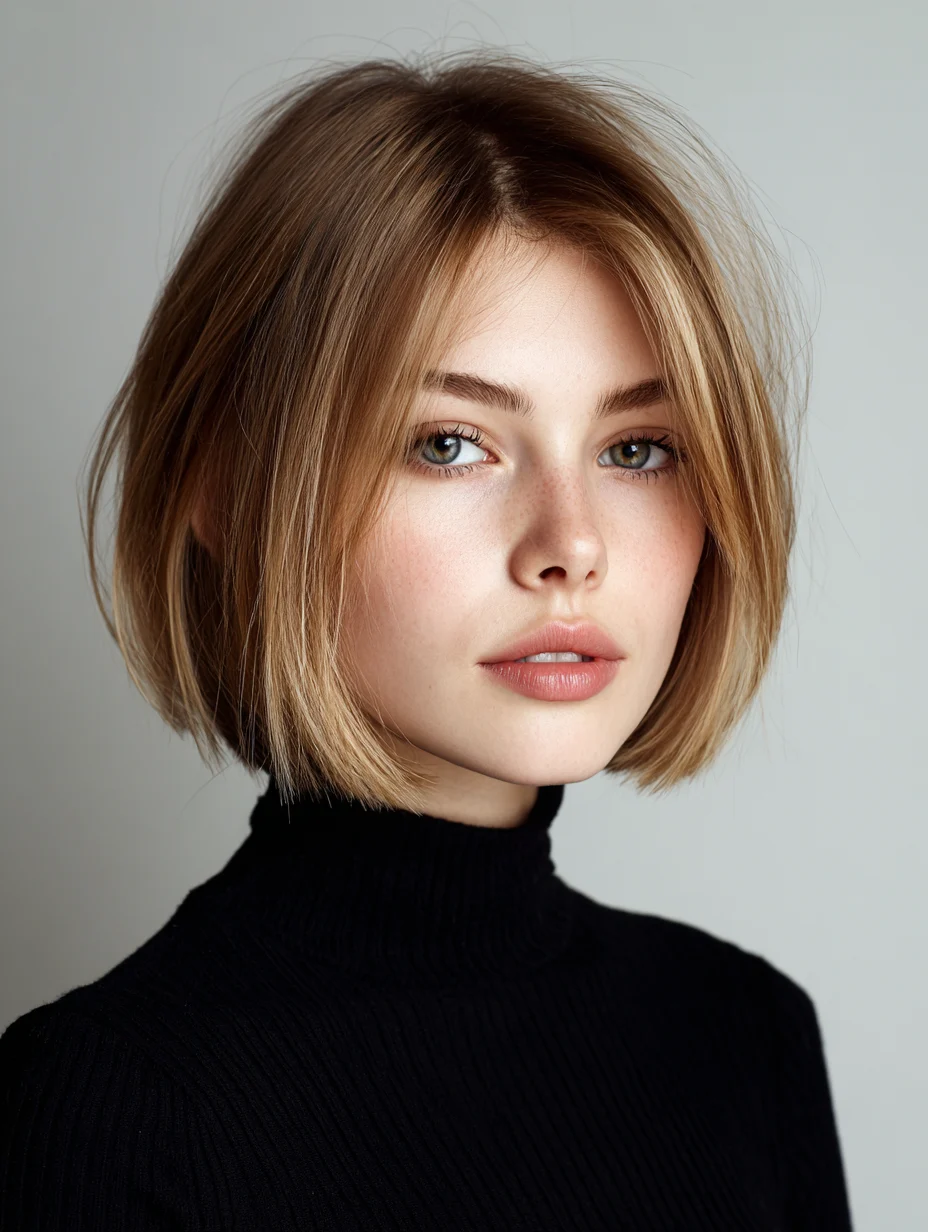

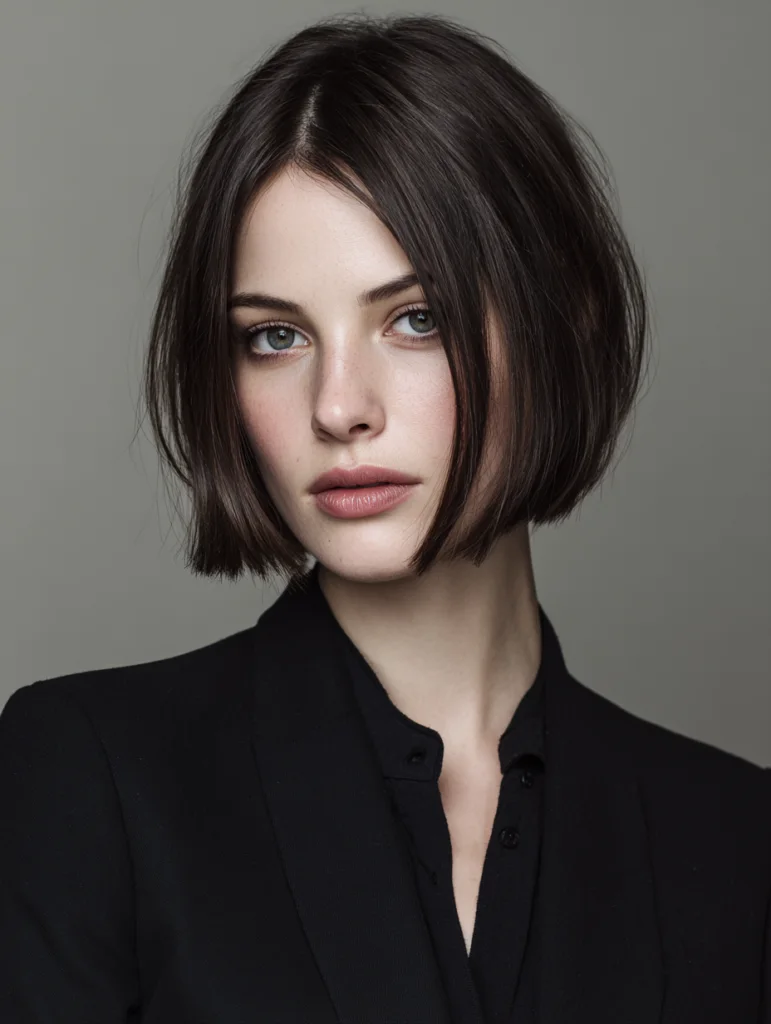

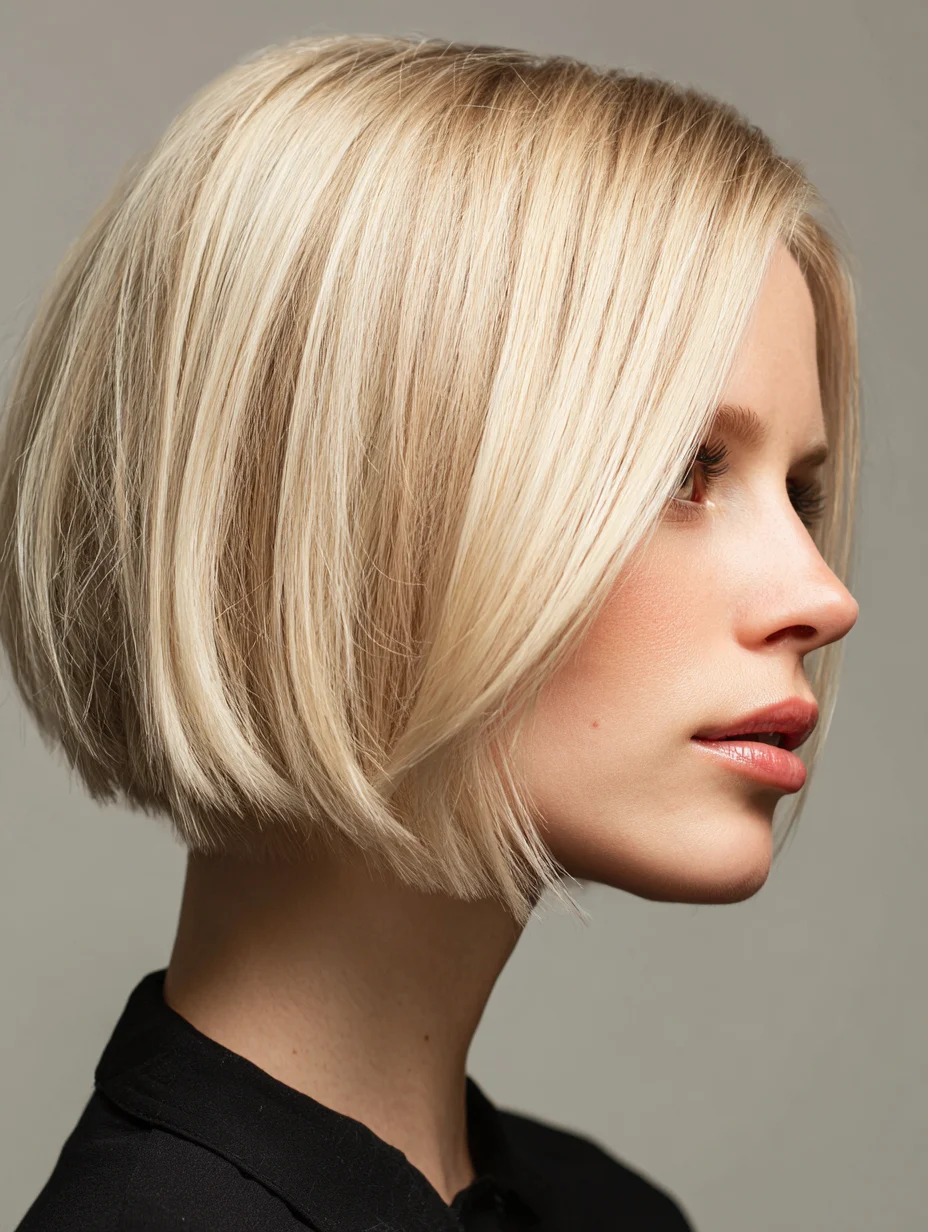

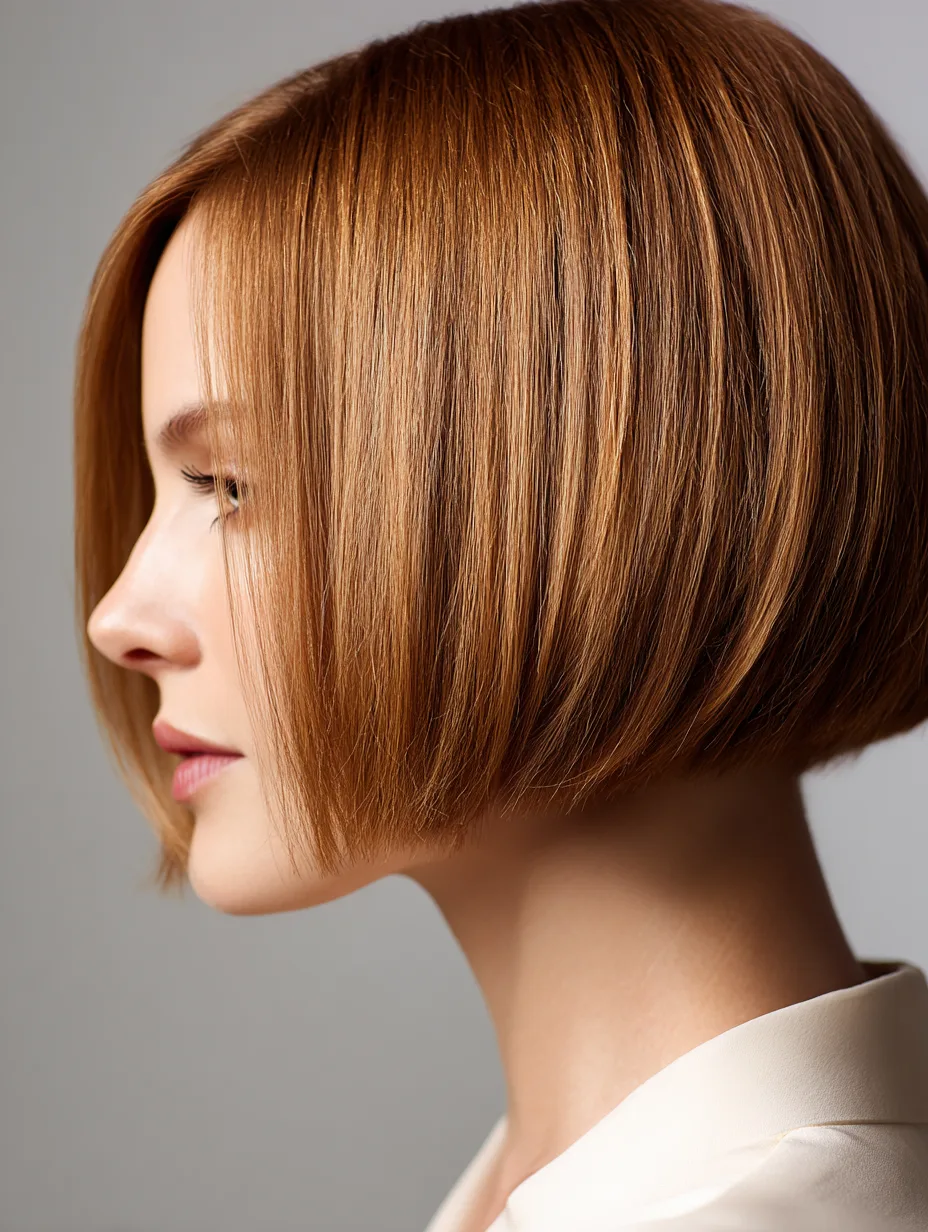
This style fits structured lifestyles and professional settings. Maintenance stays simple with regular trims to keep the line crisp. You avoid thinning shears, which helps preserve density. The blunt bob also pairs well with a side part for extra lift. If you want polish without fuss, this cut delivers.
Short Tapered Cut for Fine Hair
A short tapered cut removes bulk at the sides while lifting the crown. That contrast makes thin fine hair appear fuller on top. This cut suits round and oval faces especially well. Fine straight or soft wavy hair responds best. Use a volumizing spray at the roots and blow dry upward for lift.

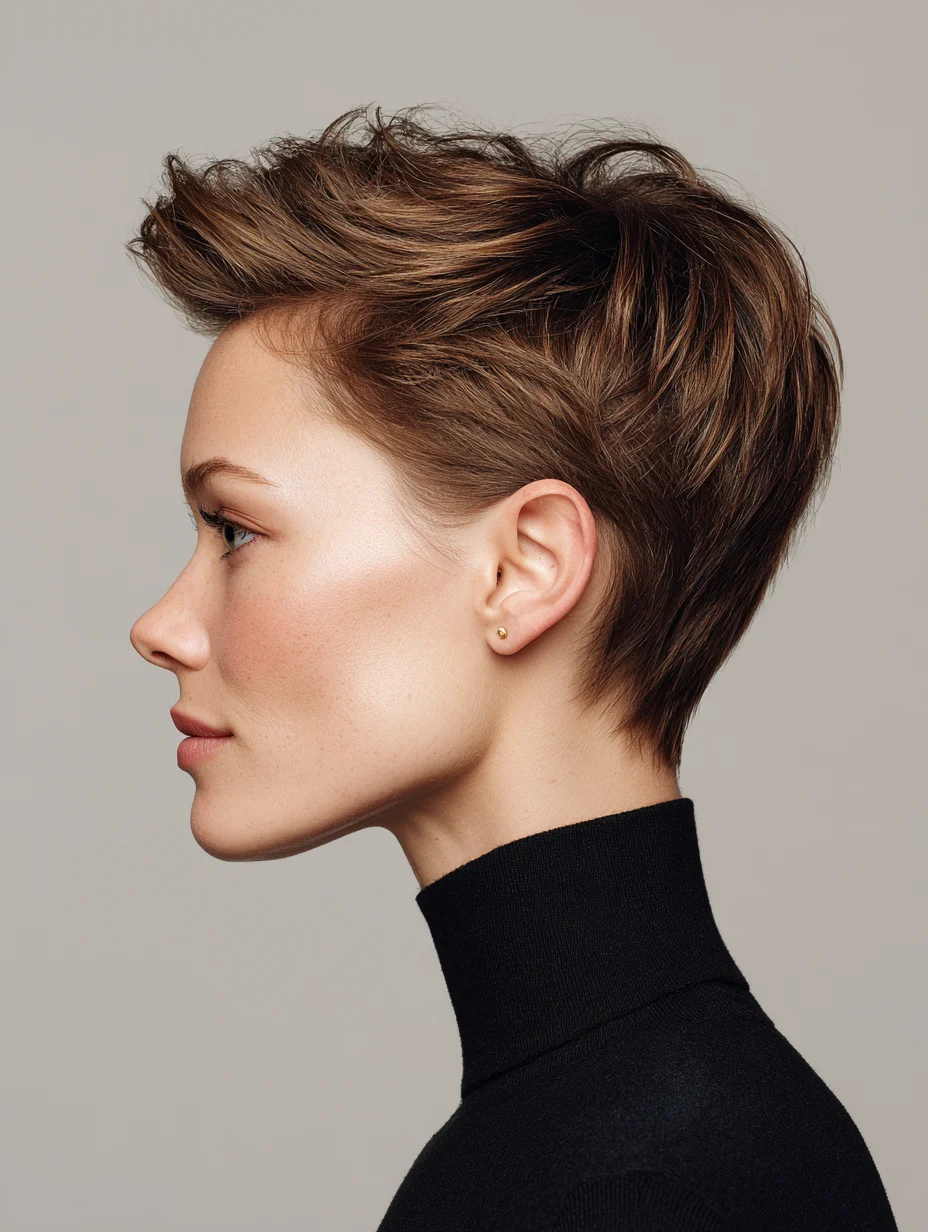
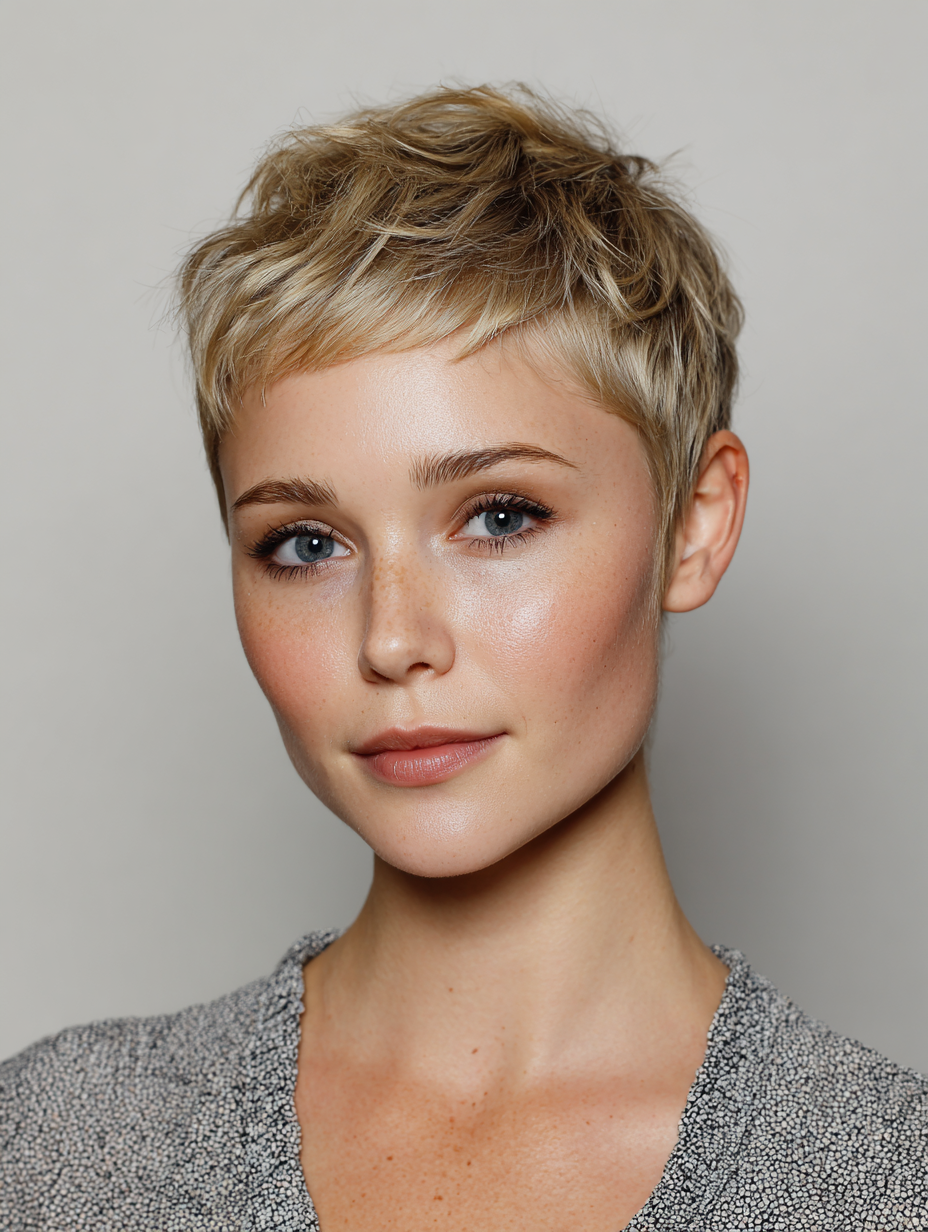
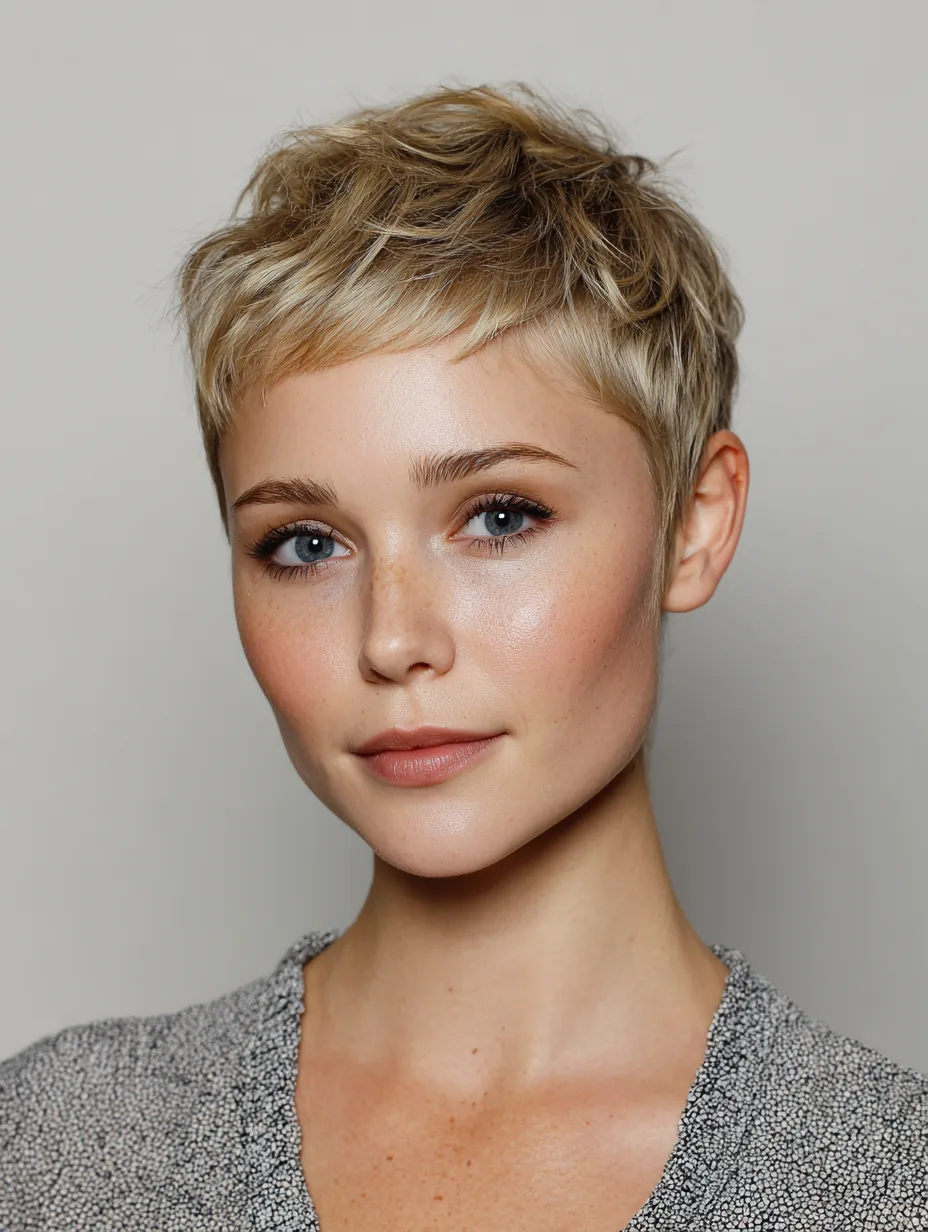

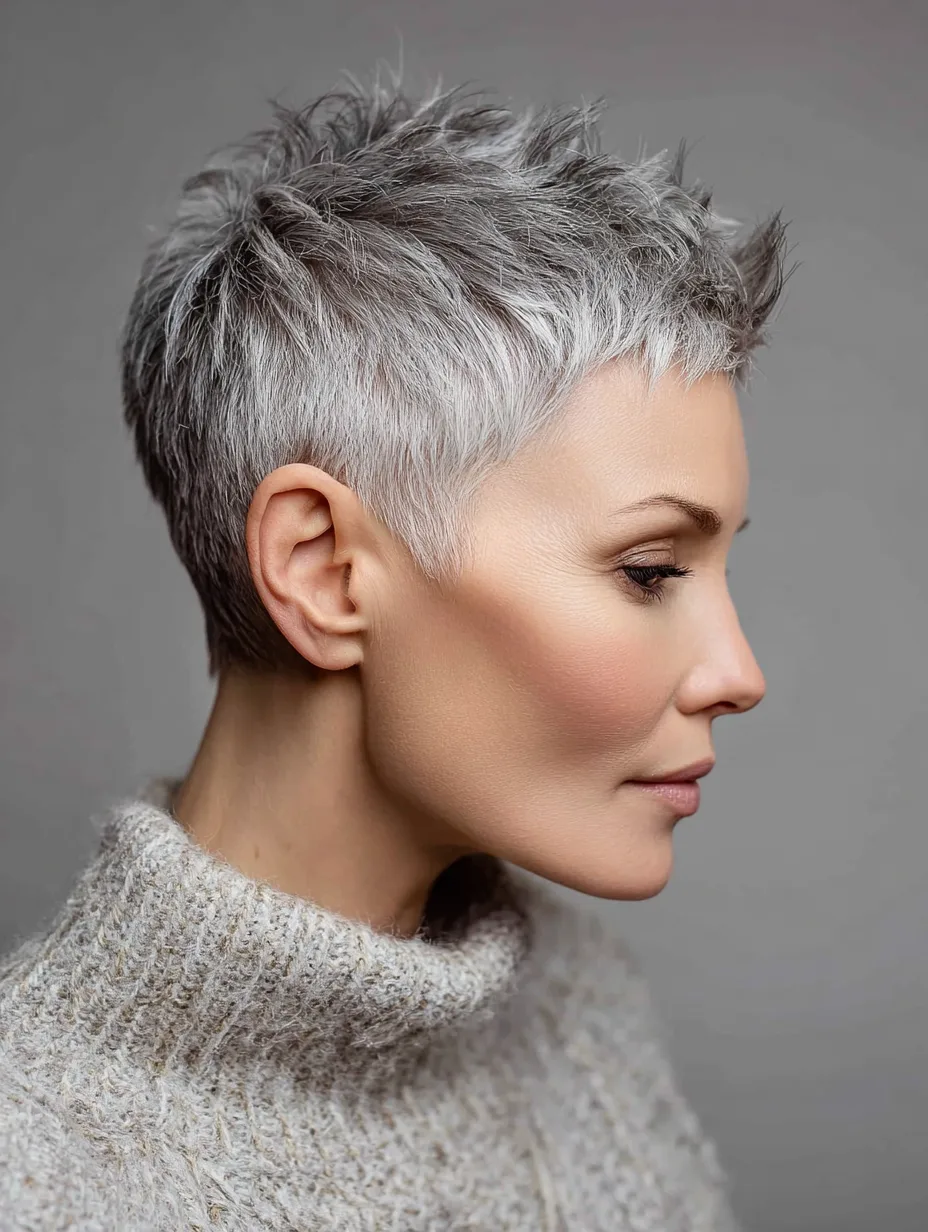

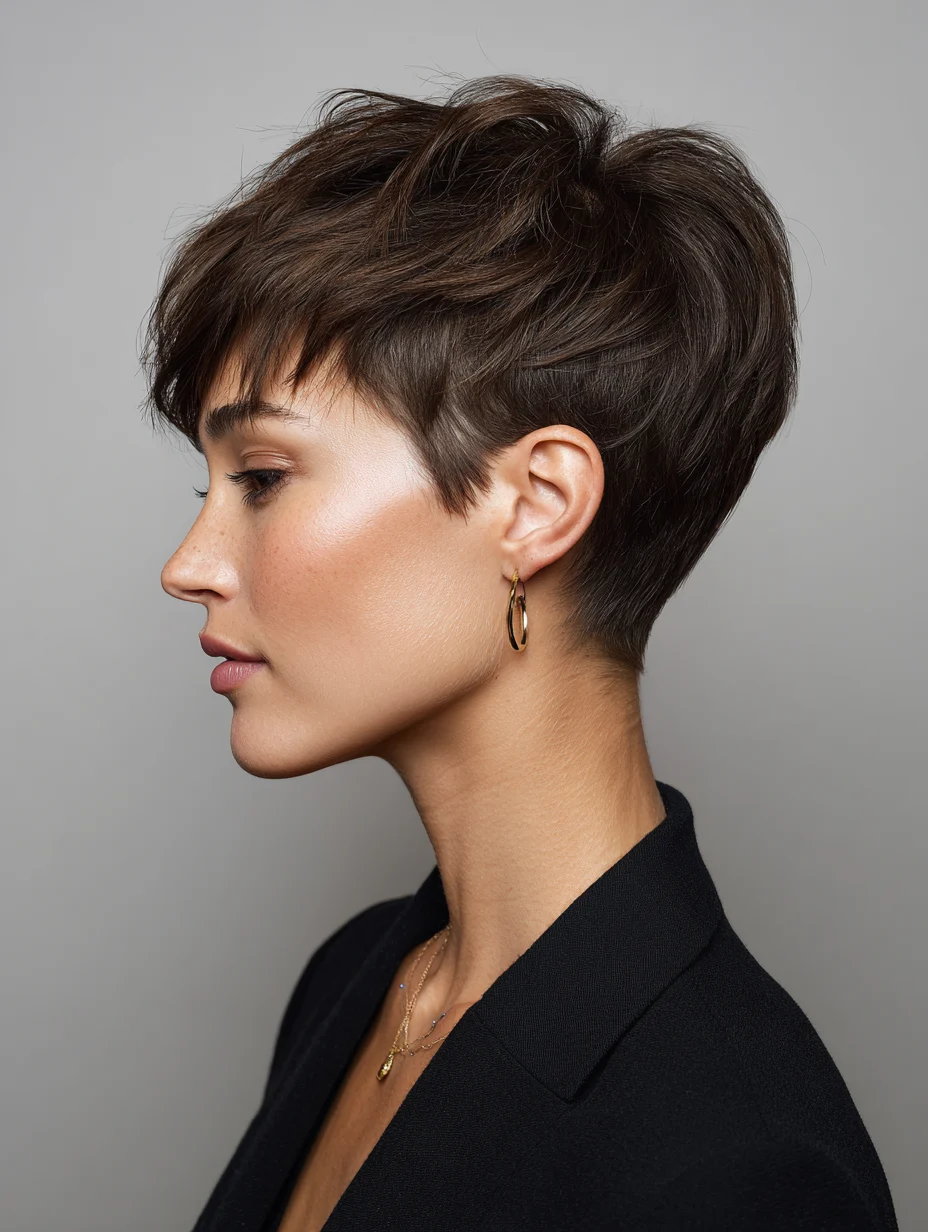
This style stays easy to manage and grows out cleanly. The tapered sides keep the shape neat between trims. It works well for active routines and warm weather. Styling takes minutes, which helps on busy mornings. If you want structure without stiffness, this cut works well.
Cropped Cut with Soft Texture for Fine Hair
A cropped cut with soft texture gives thin fine hair a fuller look without harsh edges. Short layers create movement while keeping the shape light. This cut flatters small features and defined jawlines. Fine hair with low density benefits most. Use a pea sized styling cream and finger style for control.

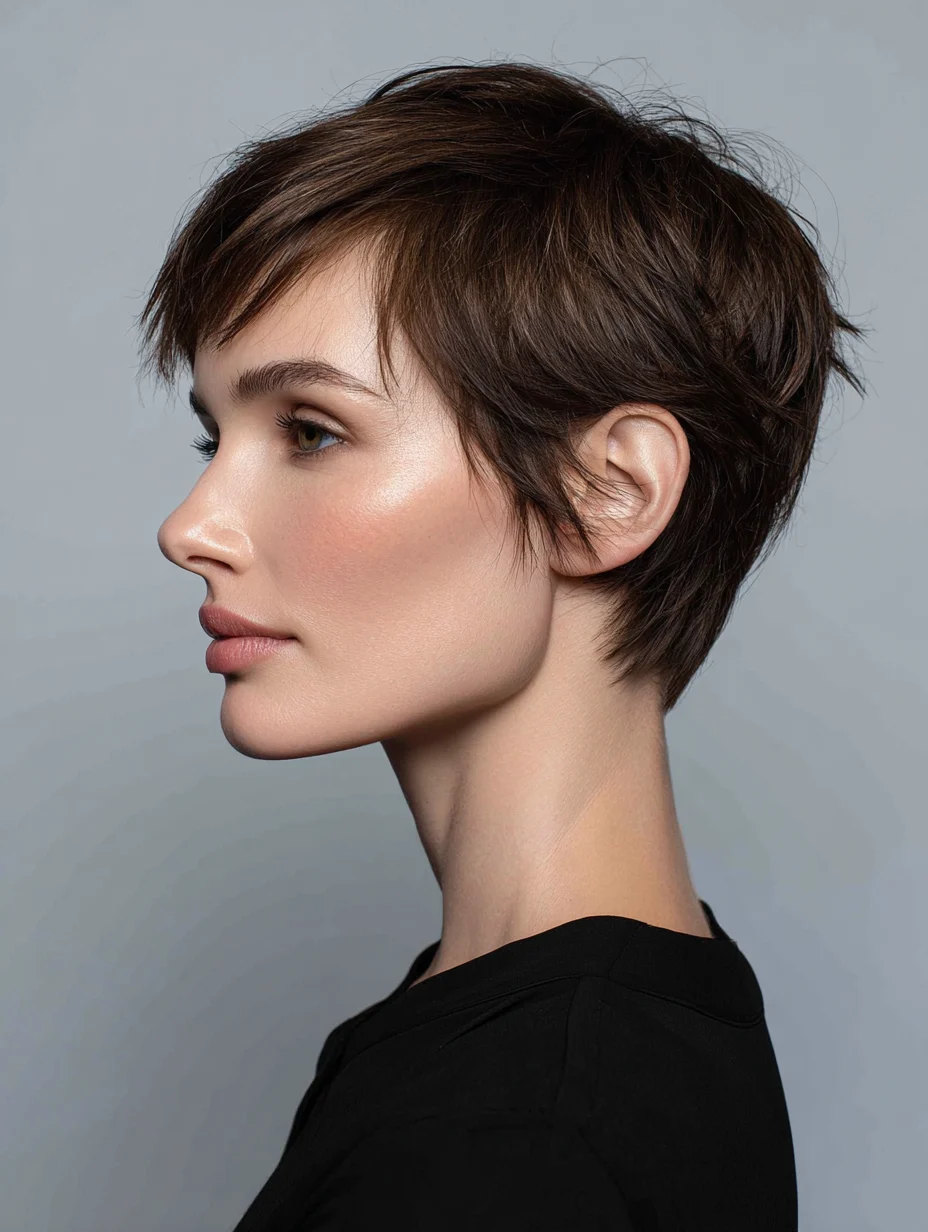

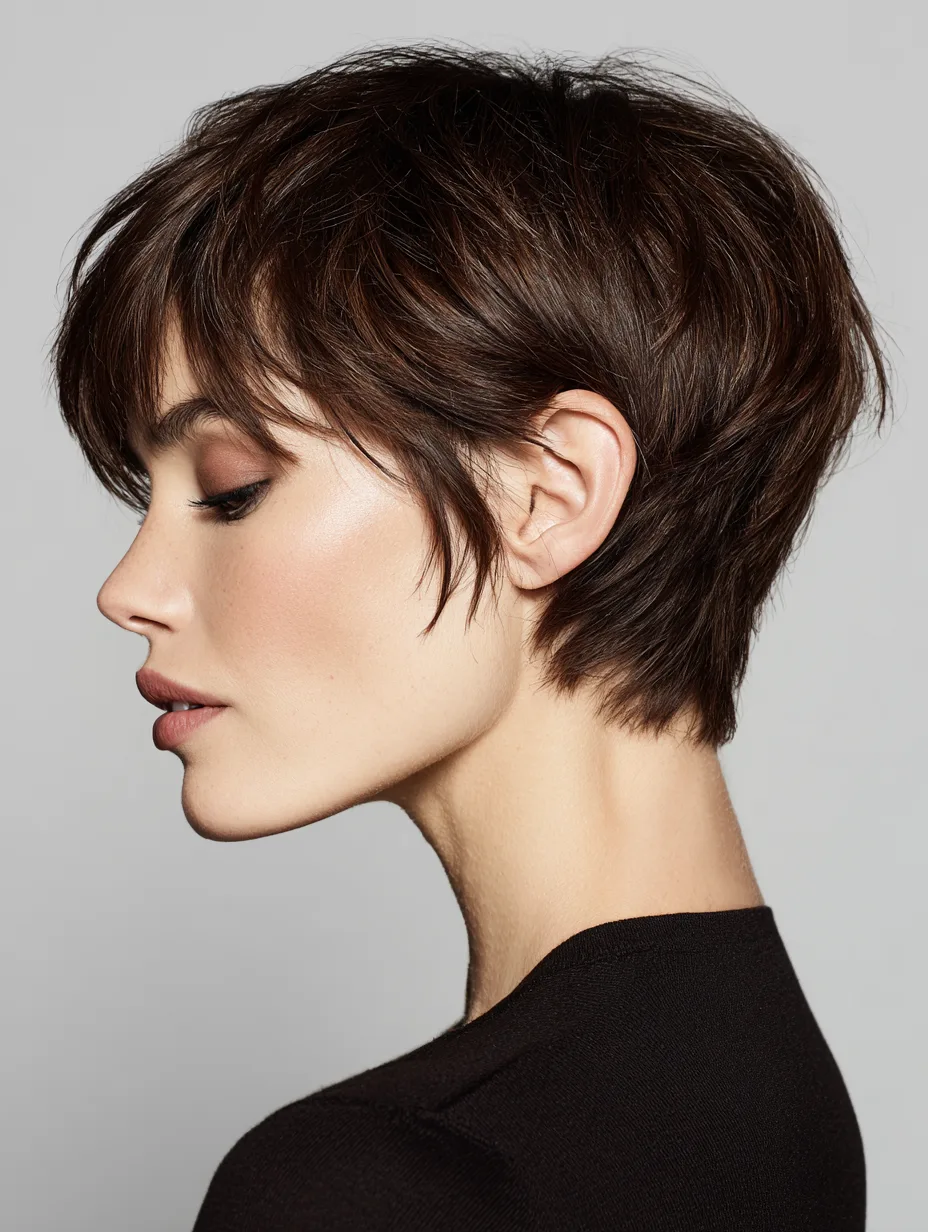

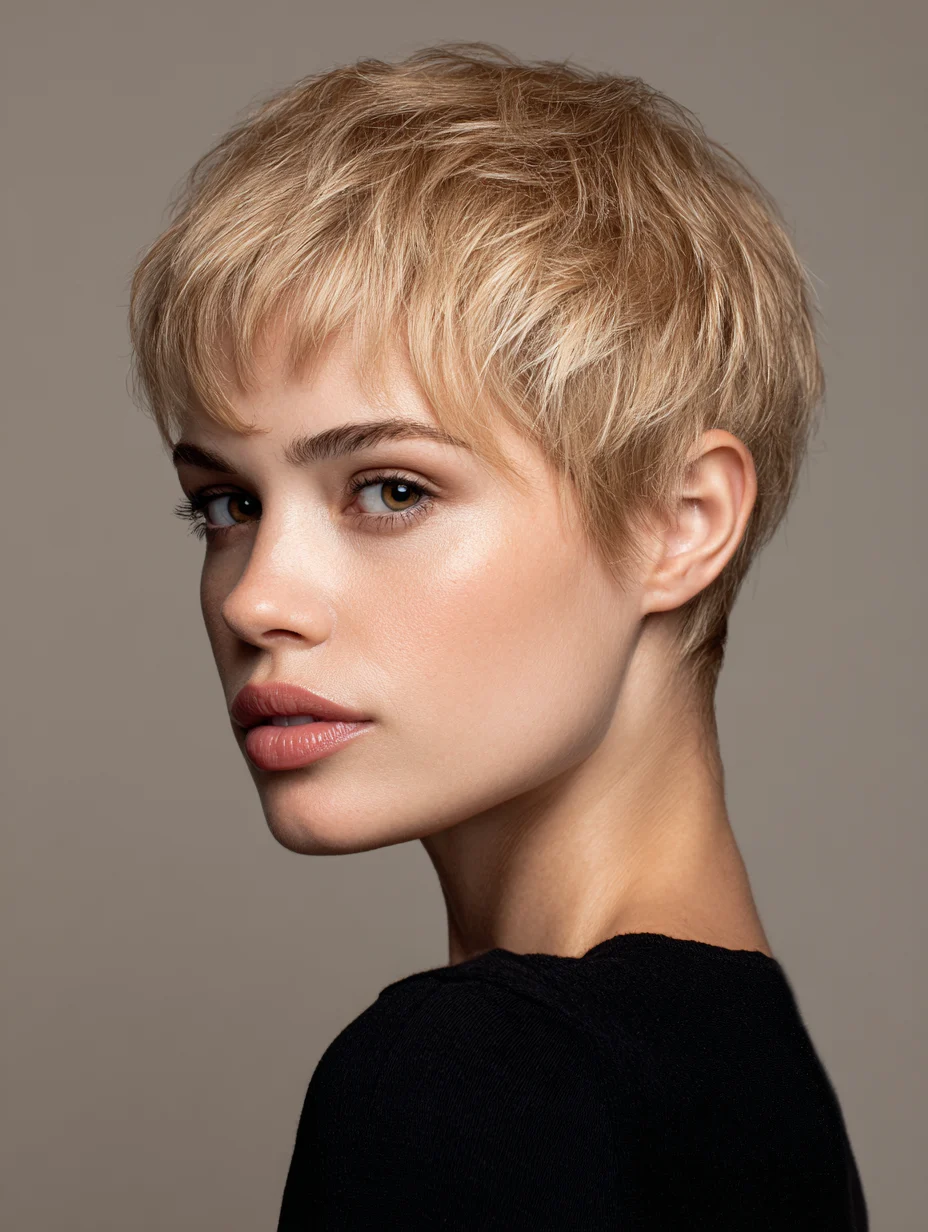
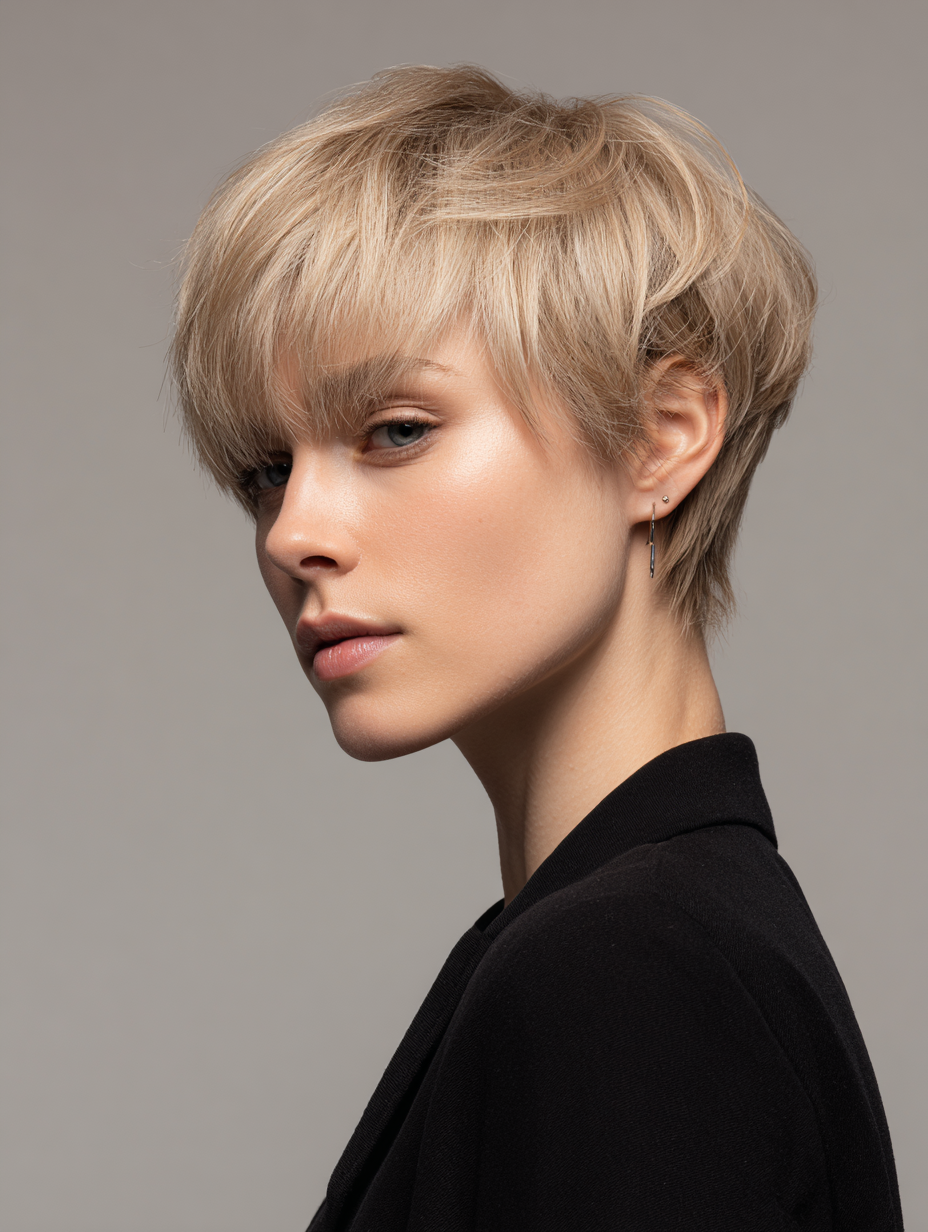
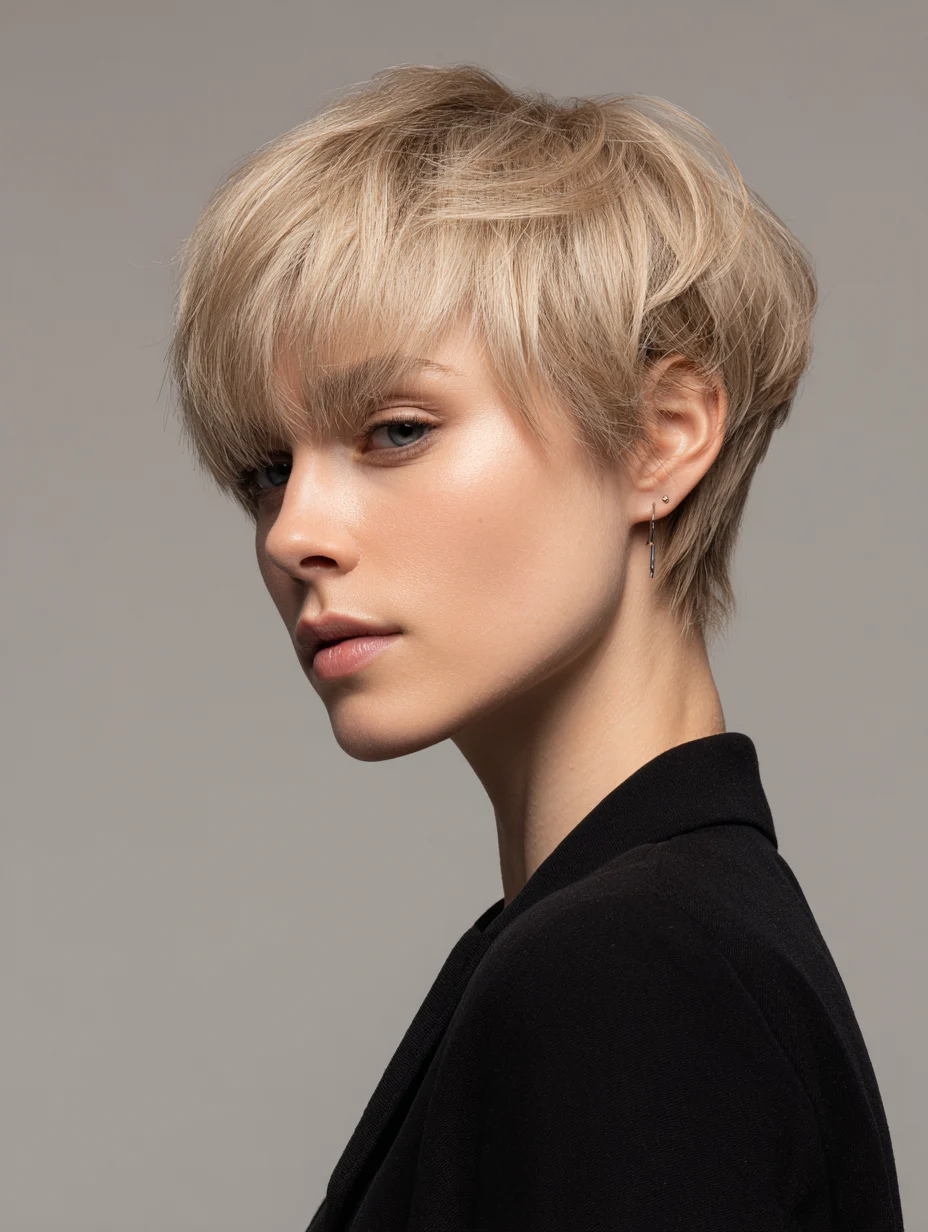
The cropped cut suits low maintenance lifestyles. You avoid long styling routines and heavy tools. Regular trims keep the texture balanced. This style works well for casual and modern looks. If you prefer clean lines with a relaxed finish, this option fits well.
How to Make Short Hairstyles for Thin Fine Hair Work Better
Start with the right cut, but styling choices matter just as much. Use lightweight products only. Heavy creams flatten fine hair fast. Blow dry with direction, not heat alone. Lift hair at the roots as it dries. Choose simple tools and keep routines short. Regular trims protect shape and prevent wispy ends. Most important, stop overworking your hair. Fine hair responds best when you keep things simple and consistent.
Final Thoughts on Short Hairstyles for Thin Fine Hair
Short hairstyles for thin fine hair work when the cut supports natural texture and density. You do not need dramatic layers or complex styling. Clean shapes and smart length choices make the biggest difference. The right short style adds confidence because it looks good most days, not just styled days.
Which short hairstyle feels closest to your lifestyle right now, something structured or something relaxed?
Leave a comment