
14 Lowlights for Blonde Hair That Add Depth Without Going Dark
Lowlights are the quiet fix for blonde that has gone flat, and they solve a problem highlights create. Every time you add more light, the hair loses depth until it all looks like one pale sheet, and lowlights put shadow back so the blonde has something to sit against. The good news is that they are the lowest-upkeep color service most blondes will ever book. They grow out into your natural shade instead of away from it. The catch is fade. Darker tones on lightened hair drift warm within a couple of months, so budget for a gloss every six to eight weeks if you want the lowlights to stay the color you chose.
Caramel Lowlights on Golden Blonde
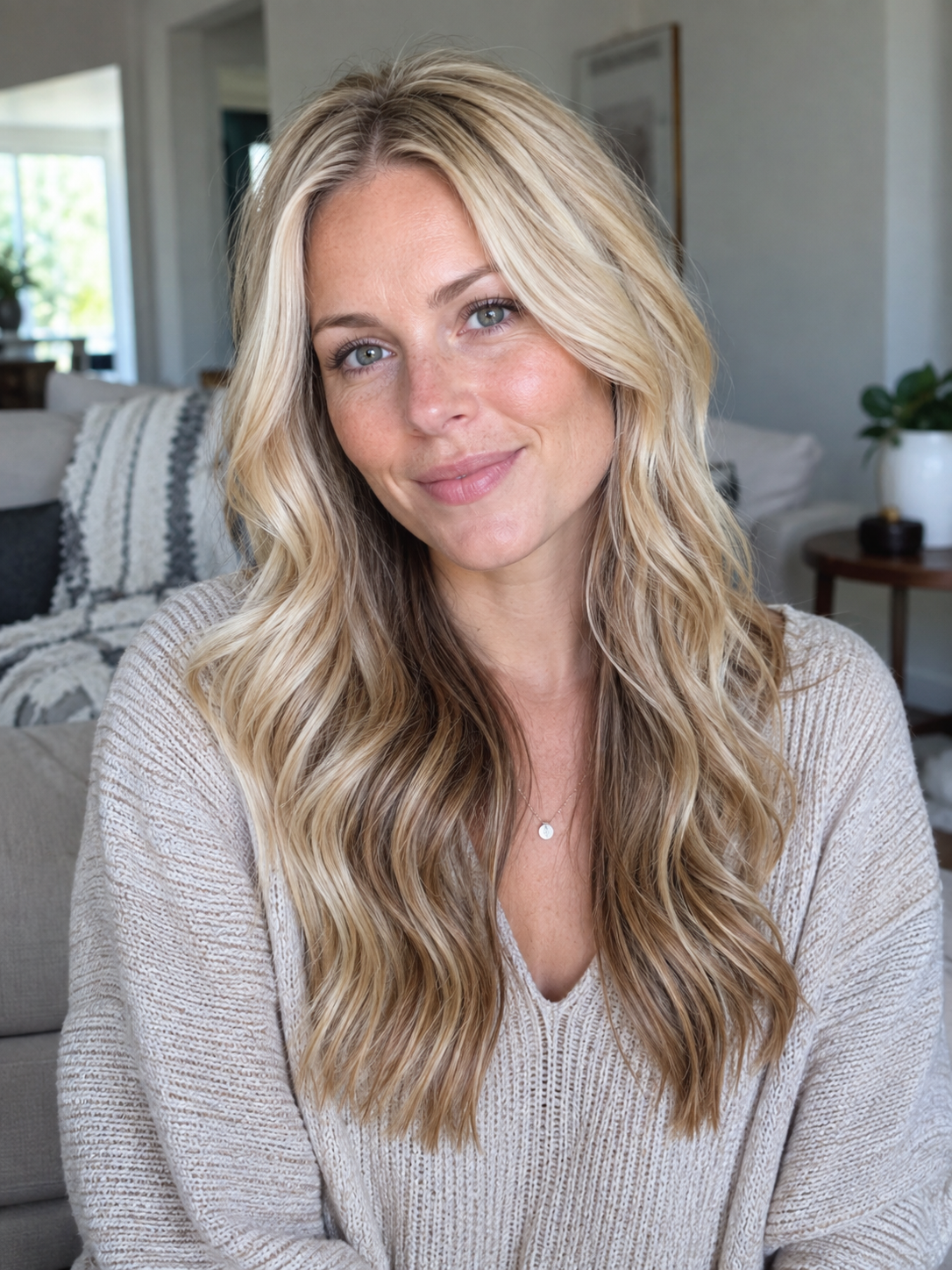
Caramel is the most requested lowlight tone for warm blondes, and it is the one colorists reach for first. It sits two levels darker than a golden base and adds a toasted, sun-warmed look through the mid-lengths. Placement is usually hand-painted through the interior and underneath so the top stays bright. Caramel fades gracefully because it is already warm, so there is no brassiness to fight. A gloss every couple of months keeps it glossy rather than dull.
Ash Brown Lowlights on Cool Blonde
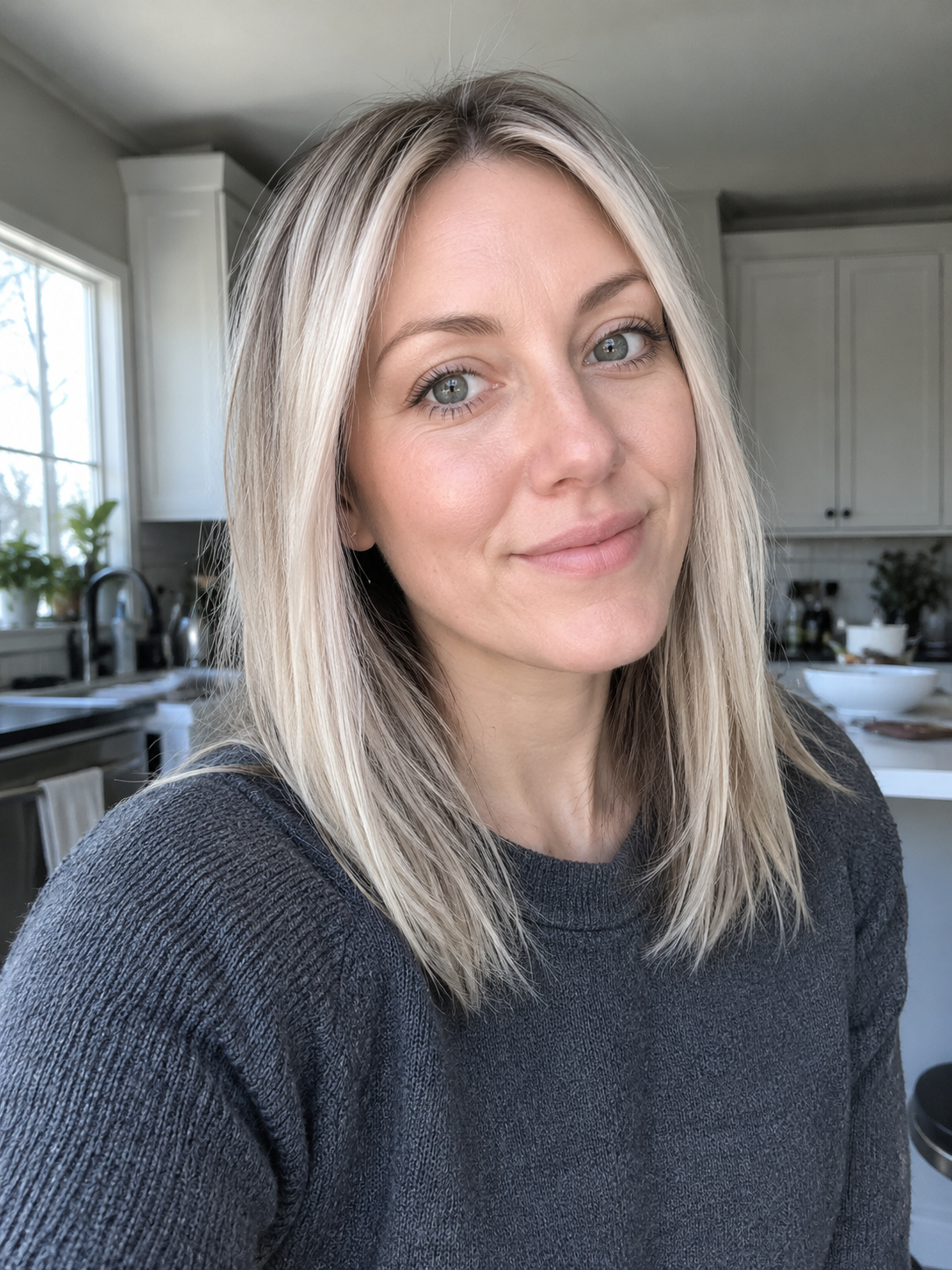
Cool blondes need cool lowlights, or the whole head reads warm within weeks. Ash brown, a level or two darker with a green-blue base, adds depth to icy and beige blondes without turning them muddy. Fine foils through the interior work better than chunky placement here. Ash tones are the fastest to fade warm on lightened hair, so this one needs a cool-toned gloss every six weeks or so. Worth it if you want to stay cool.
Bronde Blend
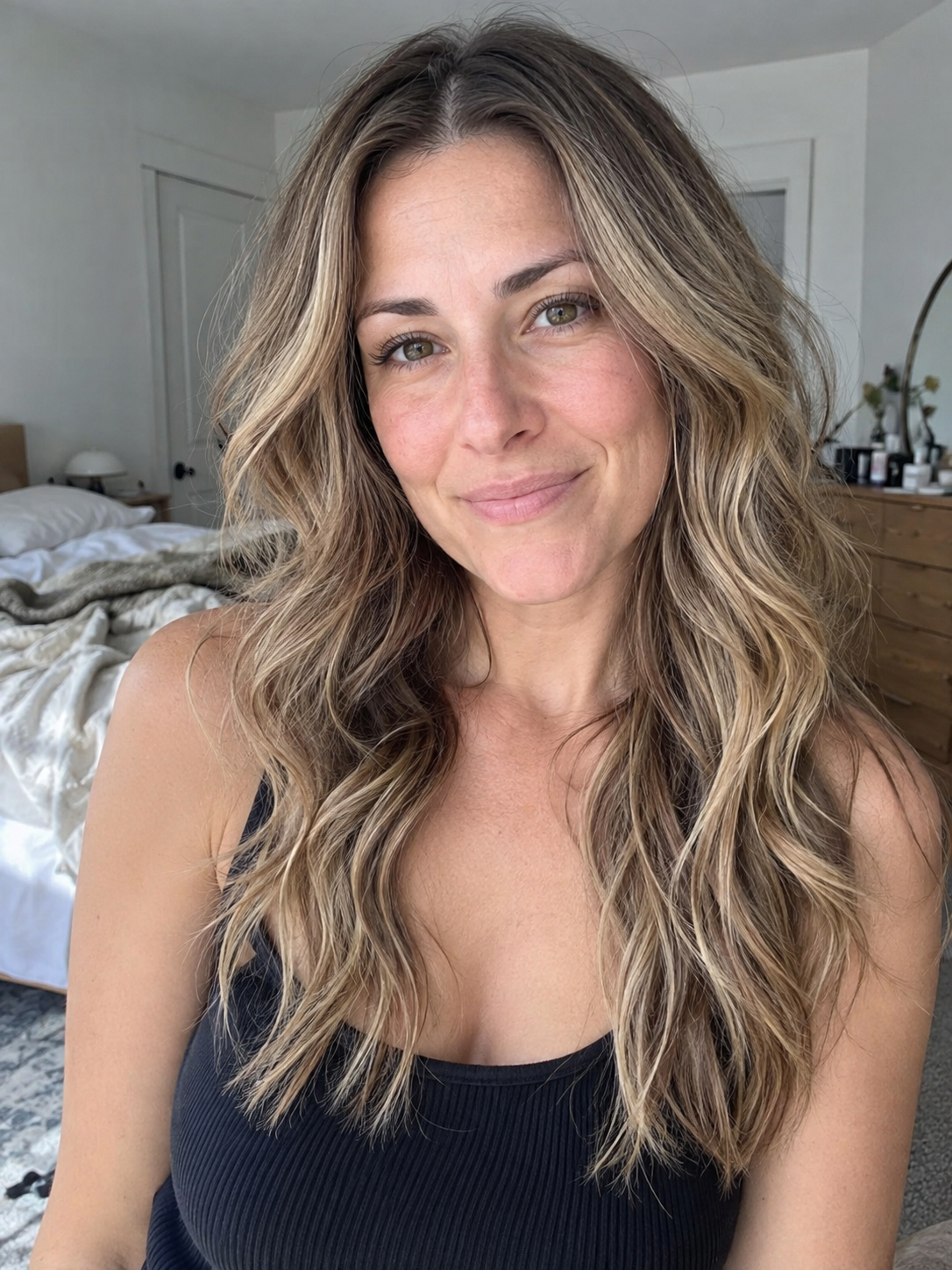
Bronde is what you get when the lowlights and the blonde meet in the middle, roughly half and half, blended so neither one dominates. A light brown is melted through a medium blonde base with soft balayage so the transition is invisible. It is the most natural-looking option here and one of the biggest color trends right now. Grow-out is nearly seamless. Expect the blonde to soften slightly over time and the brown to warm up, both of which suit the look.
Honey Lowlights on Butter Blonde
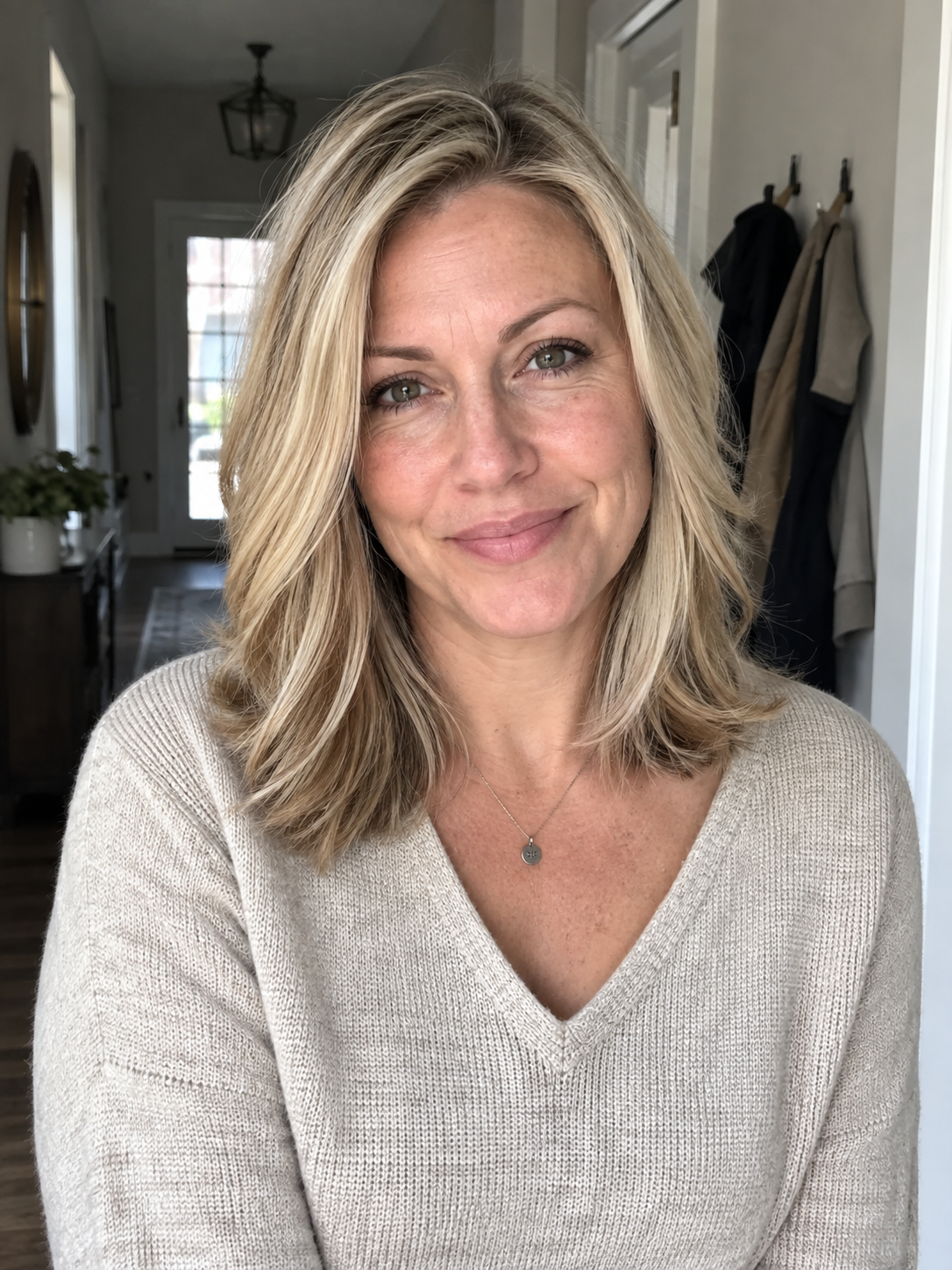
Butter blonde is pale and yellow-toned, and honey lowlights give it warmth and dimension without cooling it. The honey should be just a level darker so it reads as depth rather than stripes. Placed in ribbons through the mid-lengths and ends, it makes fine blonde hair look thicker. Honey holds its tone well. The maintenance issue is the butter blonde around it, which needs a violet shampoo weekly to stay soft and not go brassy.
Root Smudge
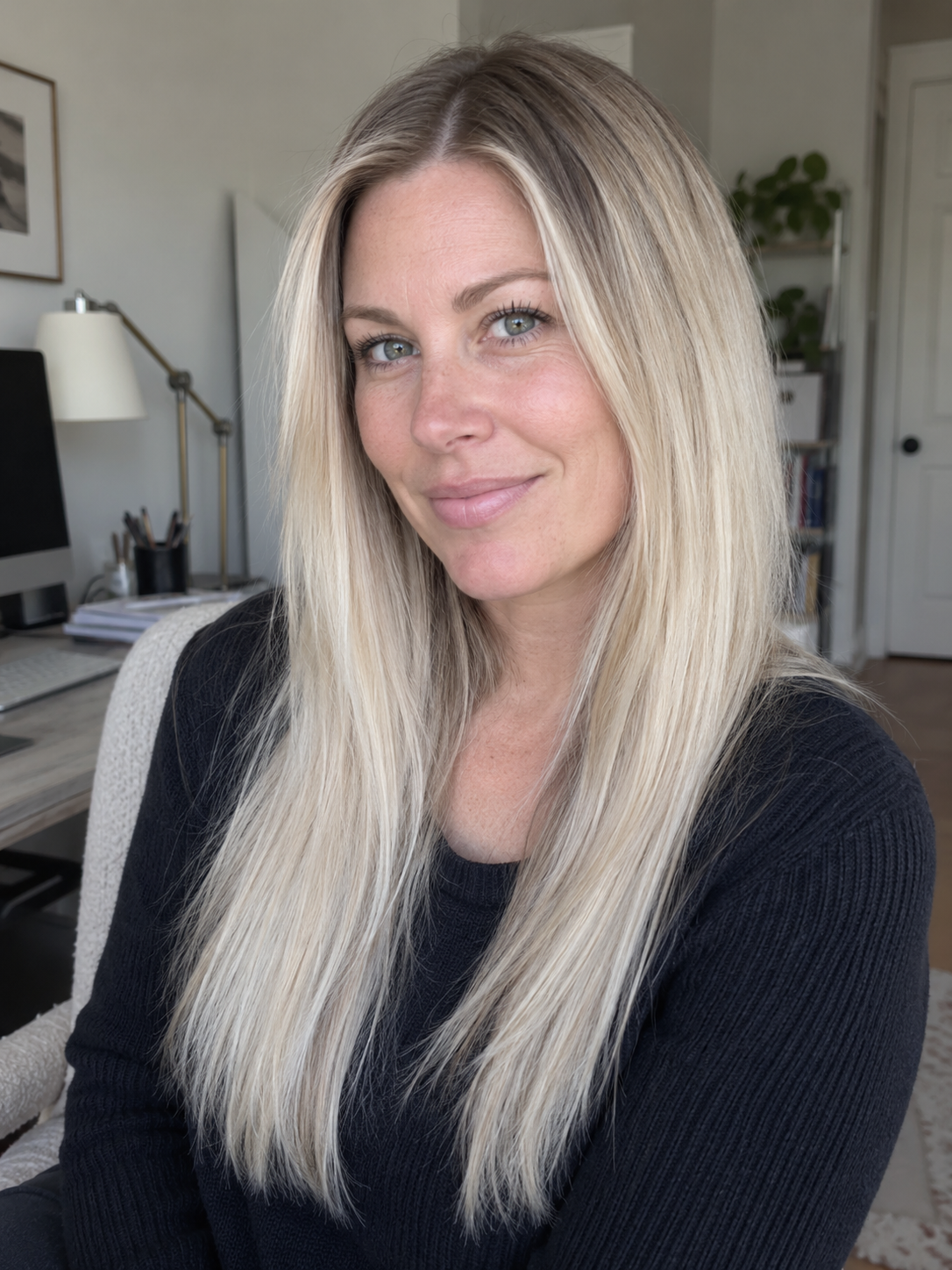
A root smudge is a lowlight applied only at the roots, a level or two darker than the blonde, blended down an inch or two so the regrowth line disappears. It is technically a shadow root rather than a scattered lowlight, but it is the single best way to stretch a blonde appointment. Eight to twelve weeks between salon visits is realistic. The smudge tone should match your natural root color so the grow-out looks like it was always there.
Chocolate Lowlights on Platinum
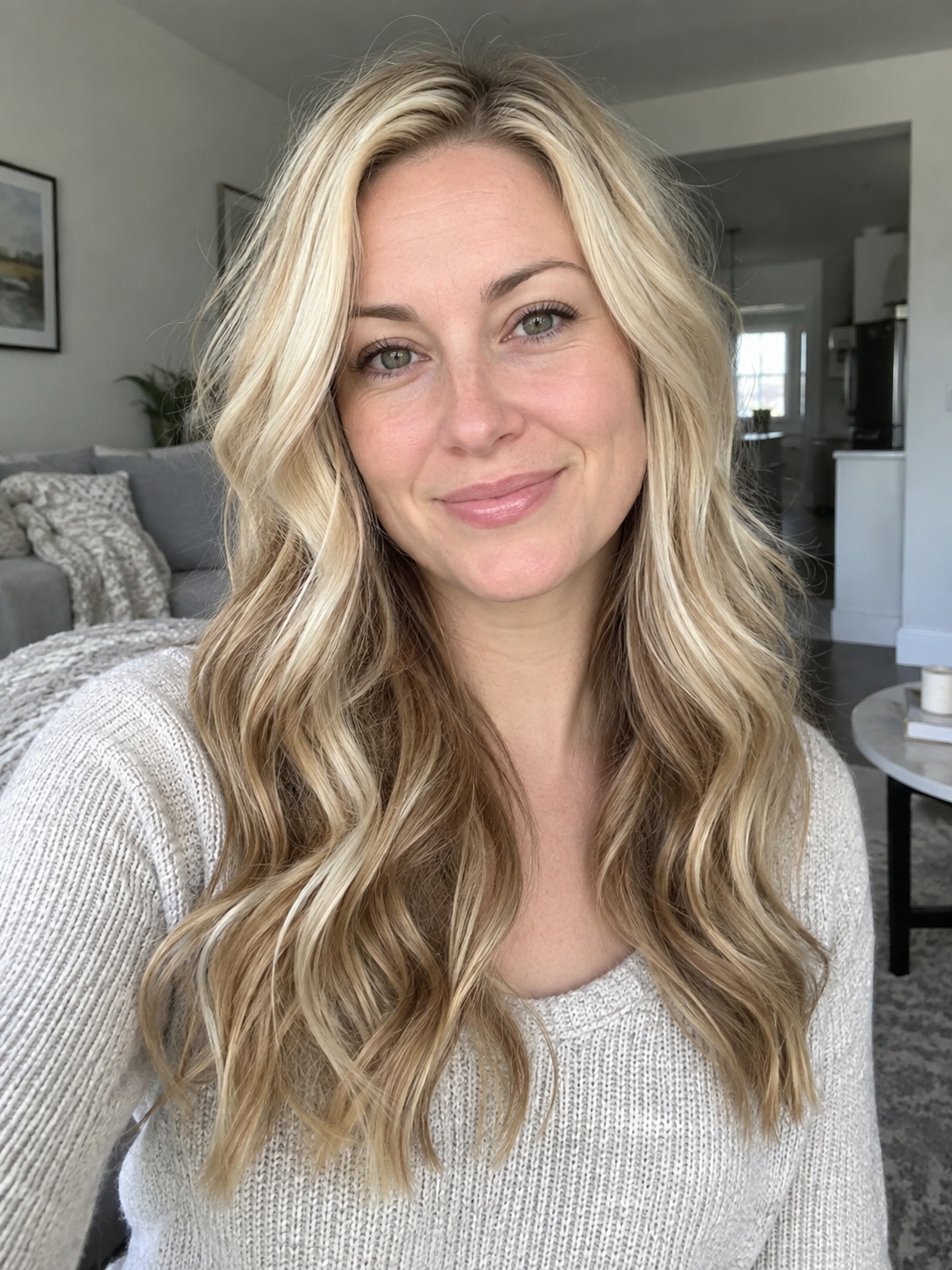
High contrast is the boldest version of this trend. Deep chocolate brown lowlights woven through platinum give a nineties two-tone effect that is very much back this year. Placement is deliberate rather than blended, in thicker sections. It needs honesty: platinum is high-commitment on its own, and adding dark pieces means two colors to maintain. The chocolate will fade to a warm caramel within a couple of months without a gloss. Plan on regular salon visits.
Mushroom Brown Lowlights
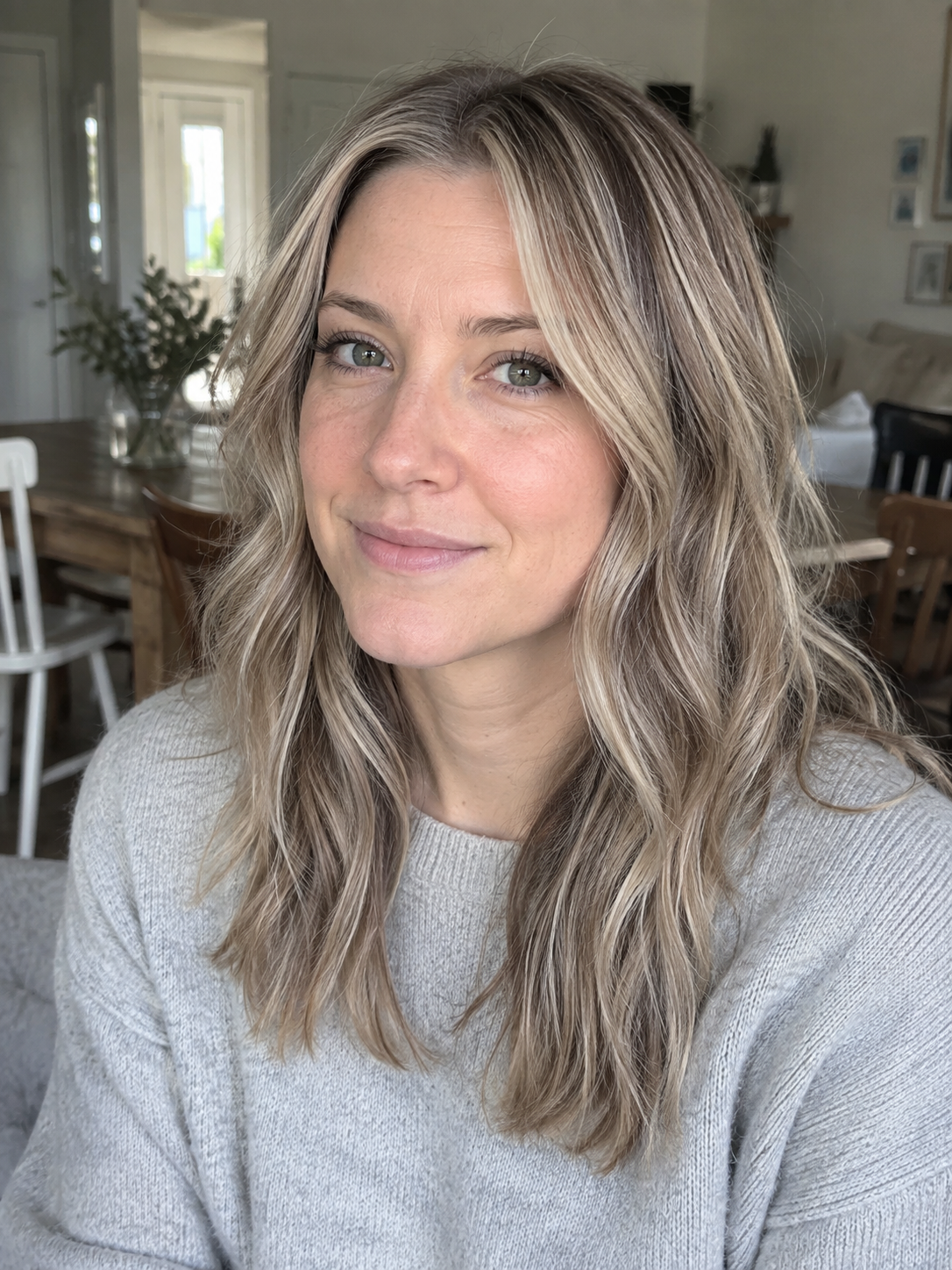
Mushroom brown is a cool, grayish taupe that has become the go-to lowlight for blondes who want depth without warmth. It sits beautifully against ash and beige blondes and gives a smoky, almost matte finish. Fine foils through the whole head give the most even result. Like all cool tones, it drifts warm as it fades, so keep a cool gloss on the calendar. It suits cool and neutral skin tones and looks best on straight or softly waved hair.
Beige Lowlights on Champagne Blonde
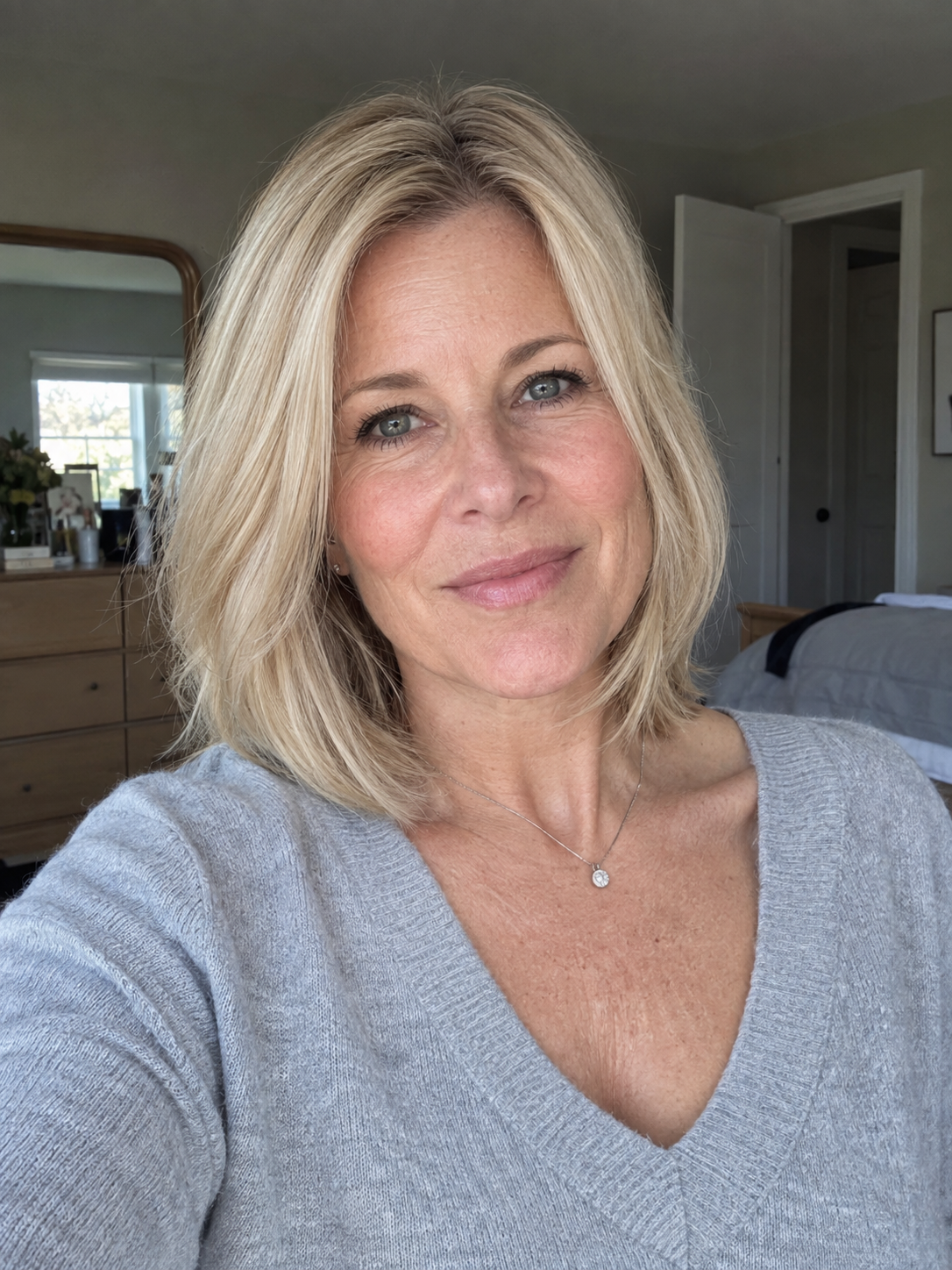
Sometimes one level darker is all you need. Beige lowlights on a champagne blonde barely show as separate pieces. They just make the blonde look richer and thicker. Colorists call this a tonal lowlight, and it is the safest first step for anyone nervous about going darker. Placed in fine weaves through the interior, it needs almost no maintenance beyond a gloss when the champagne starts to look dull.
Face-Framing Lowlights
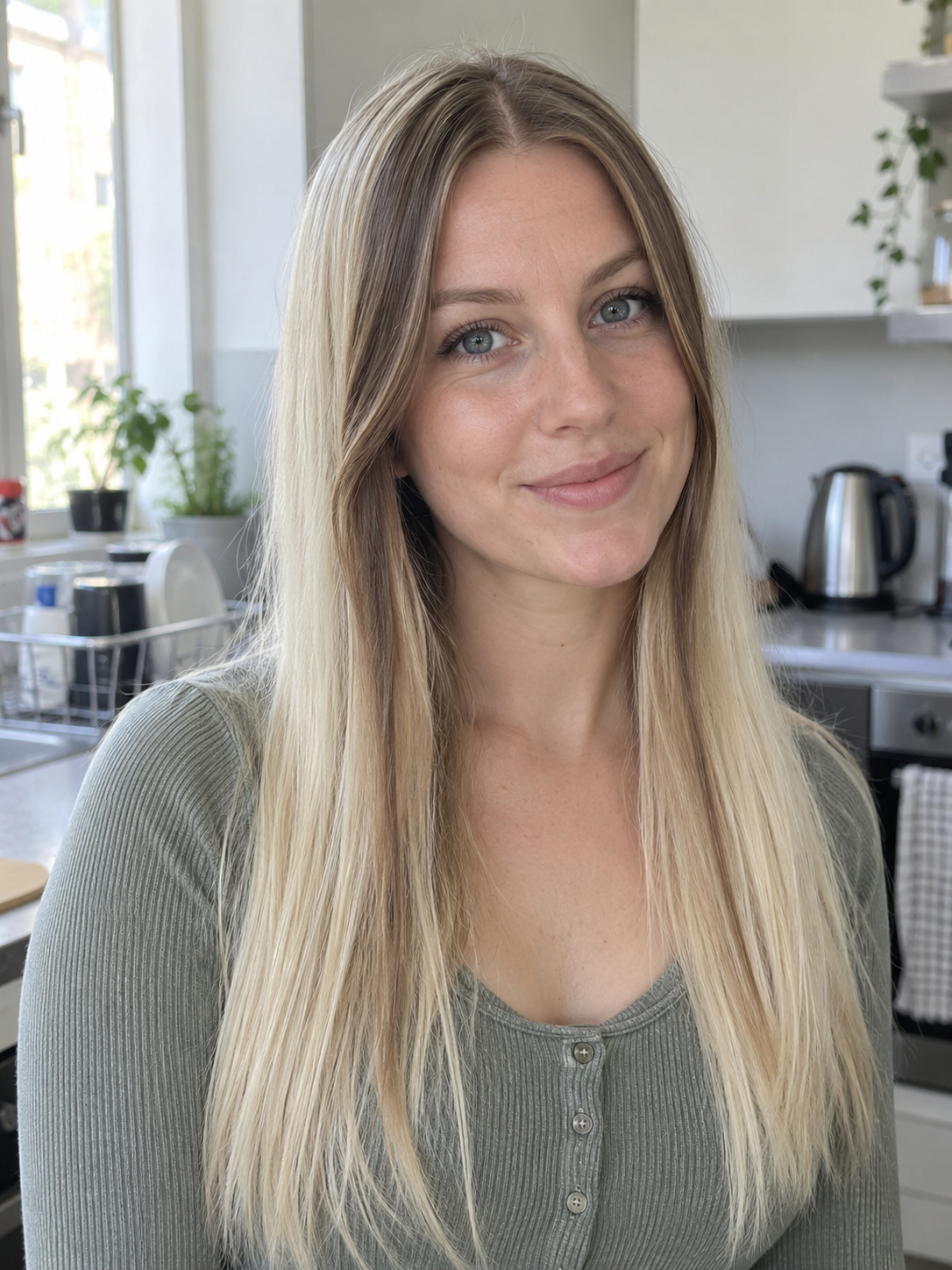
A reverse money piece puts the darker tone at the front, framing the face in a shade a level or two deeper than the rest, while the bulk of the hair stays blonde. It is the opposite of the bright face-frame everyone has been wearing, and it sharpens cheekbones and makes eyes stand out. Because the dark section is where you look most, it is the first place fade shows, so keep it glossed.
Underneath Lowlights
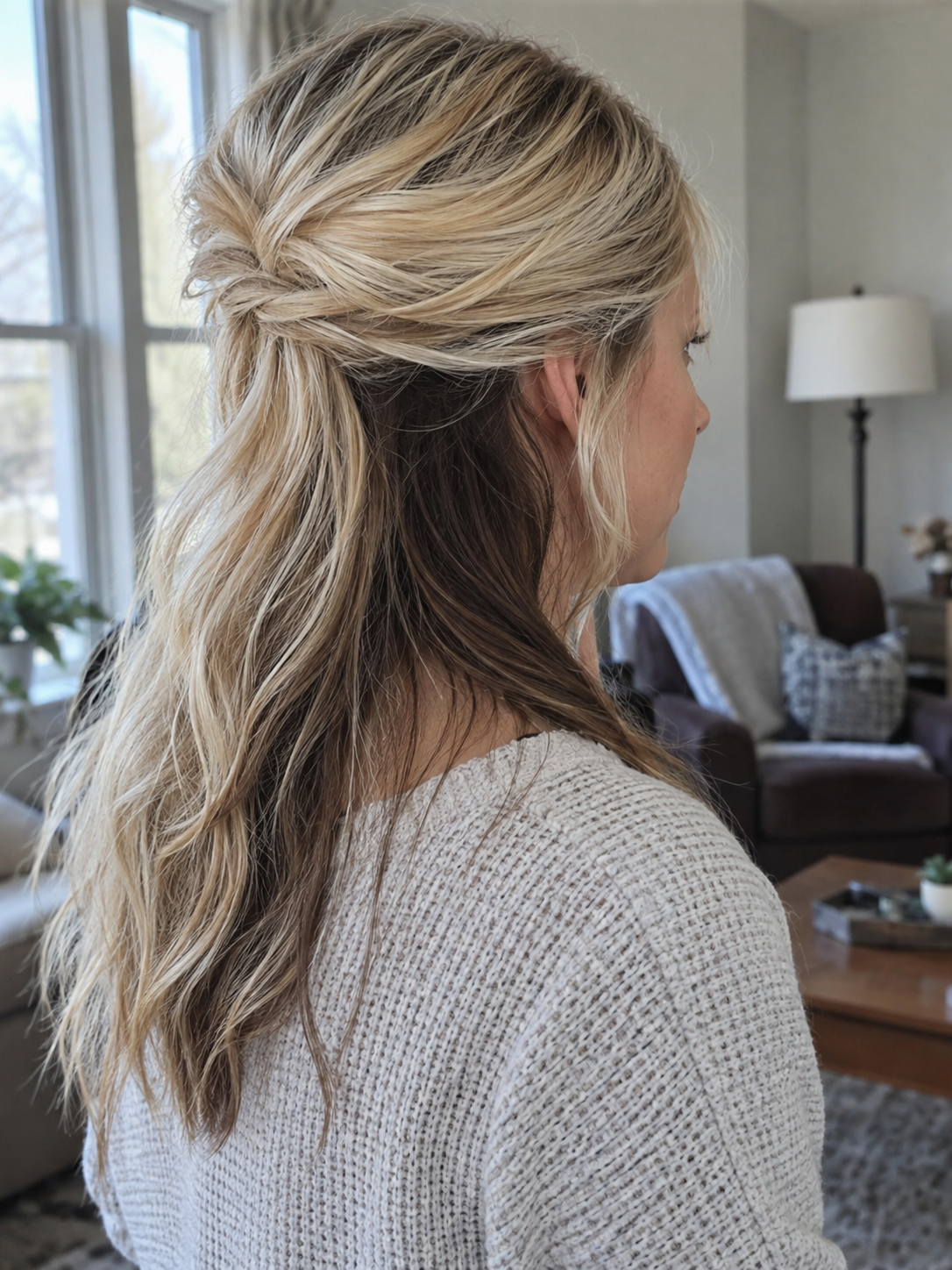
Lowlights placed only in the underlayer, from the ears down and at the nape, leave the top bright and the underneath darker. Straight, the blonde dominates. Wavy or tied up, the darker layer peeks through. It is a great choice for anyone who wants dimension for updos and ponytails without changing what shows from the front. Grow-out is invisible because the darker section is hidden. Almost zero maintenance.
Ribbon Lowlights
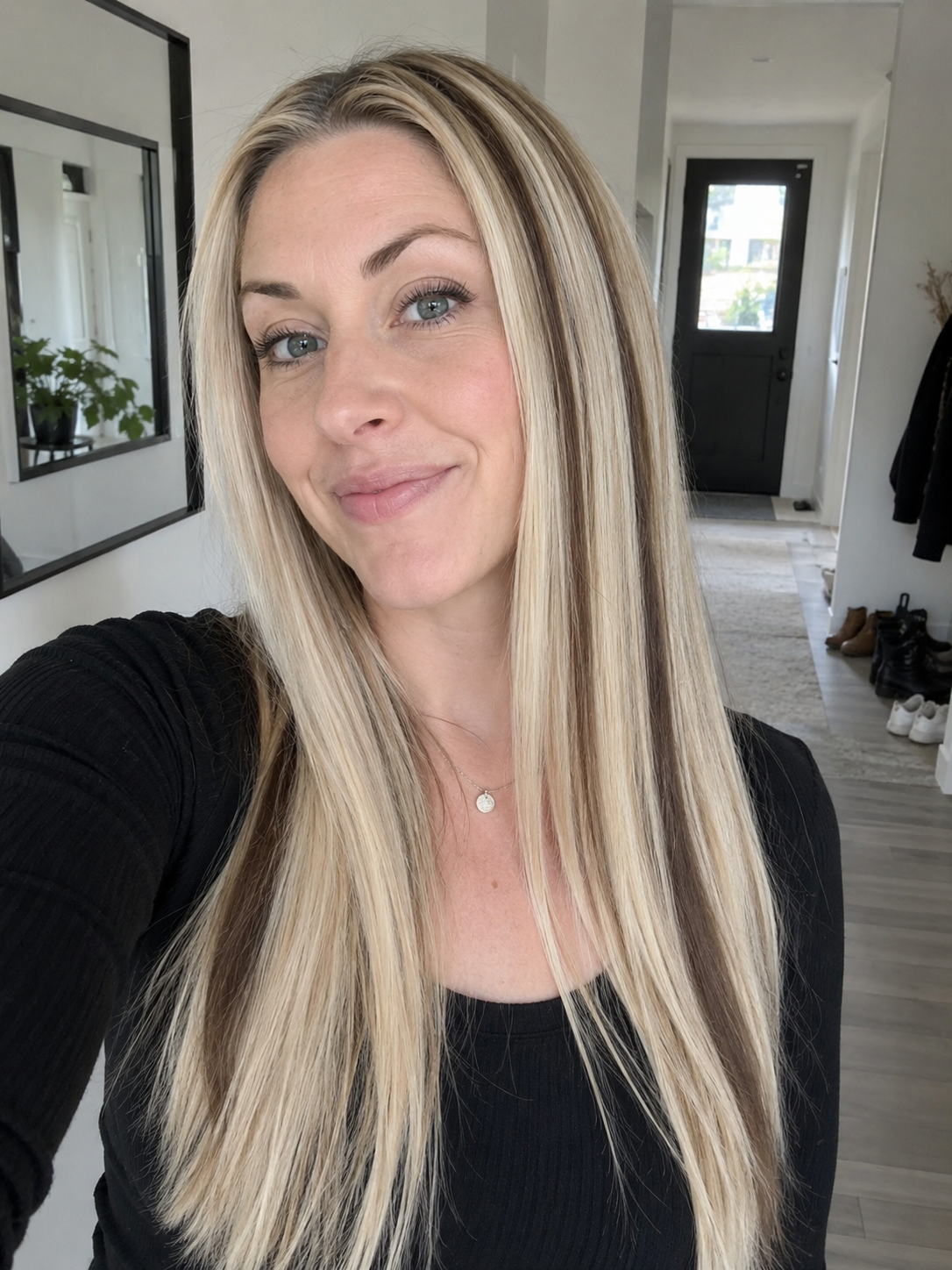
Wide, deliberate ribbons of brown through blonde are a nineties throwback that colorists are using again, and it is the most graphic version of lowlights here. Sections are a half-inch to an inch wide rather than finely woven. It looks best on a bright blonde base so the ribbons show clearly. The width means fade is obvious, so this needs glossing every six weeks or the ribbons go orange. Not for anyone who wants subtle.
Toffee Lowlights on Dirty Blonde
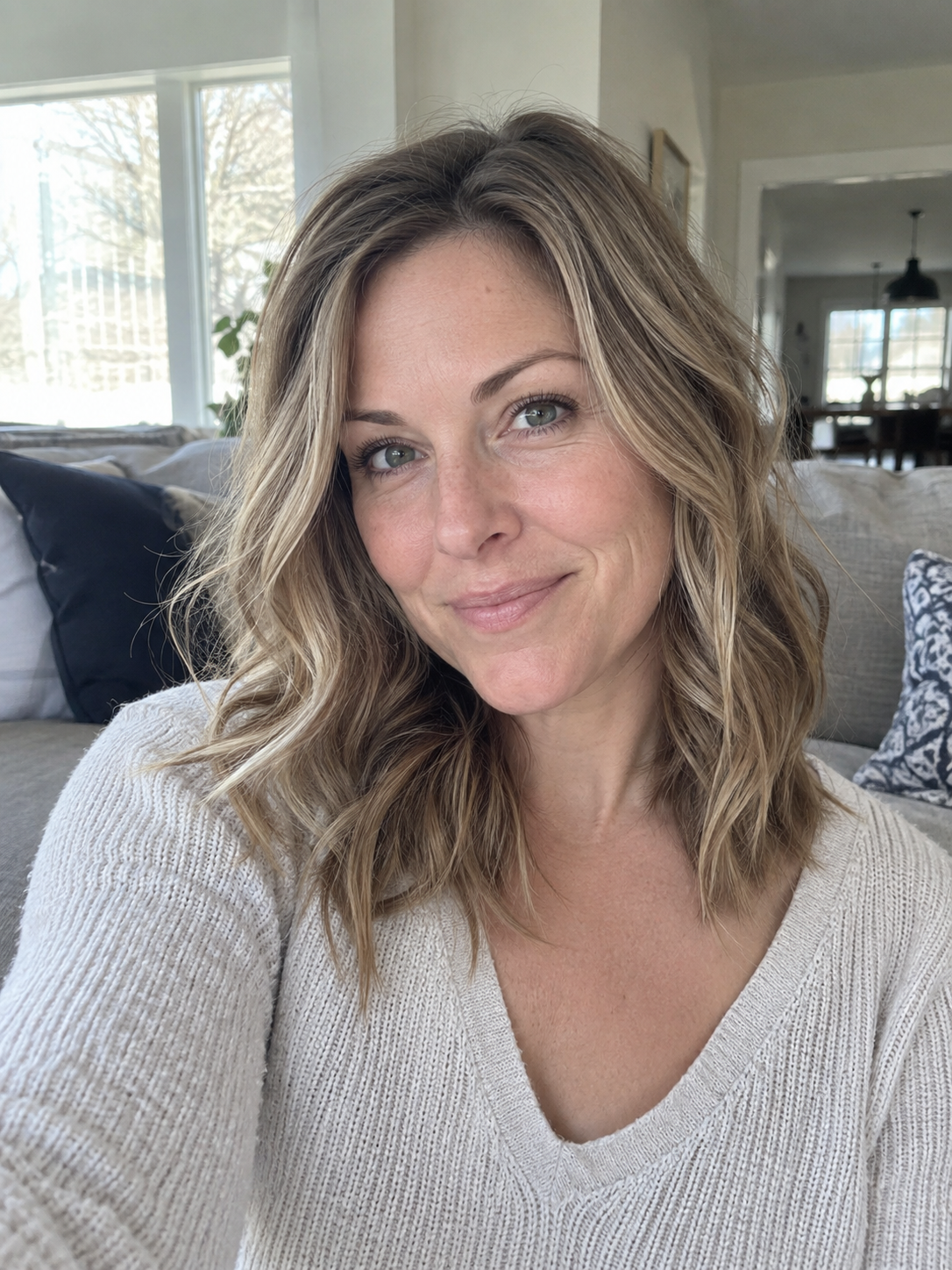
Dirty blonde already has some depth, and toffee lowlights give it a warm, rich, expensive-looking finish rather than a dramatic change. The toffee is a warm medium brown with golden undertones, placed through the mid-lengths and blended with a soft balayage hand. The result looks like natural summer hair grown out. Toffee is warm to begin with, so fade is gentle and forgiving. One of the easiest options to live with.
Smoky Lowlights on Silver Blonde
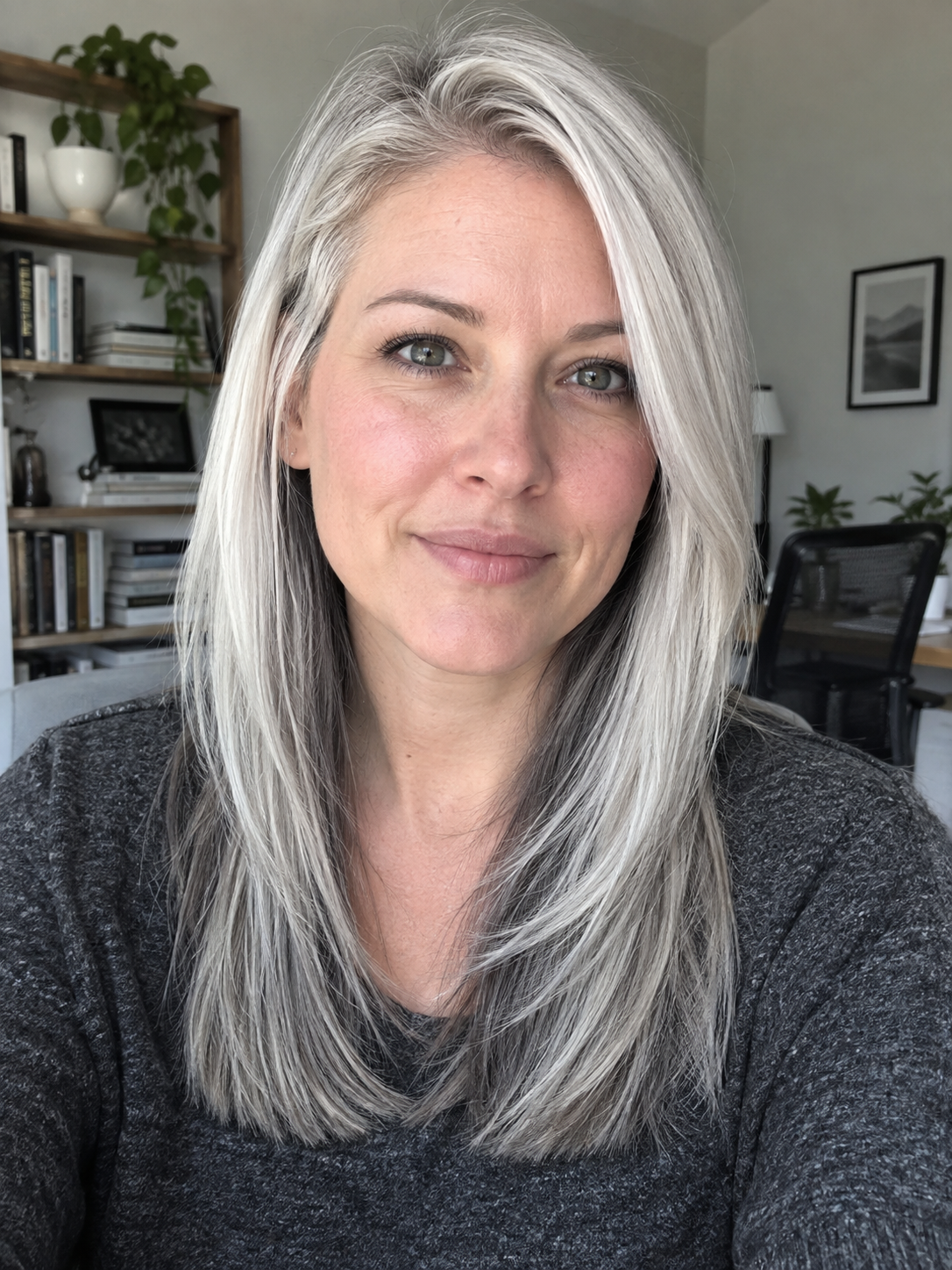
Silver and white blondes can take a smoky, ash-gray lowlight that adds shadow without any brown at all. The lowlight is a cool gray a level or two darker than the silver, placed through the interior and underneath. It gives a metallic, dimensional finish. Both tones are cool and both fade warm, so this is a gloss-every-six-weeks commitment and a purple shampoo at home. Beautiful, but not low upkeep.
Copper Lowlights on Strawberry Blonde
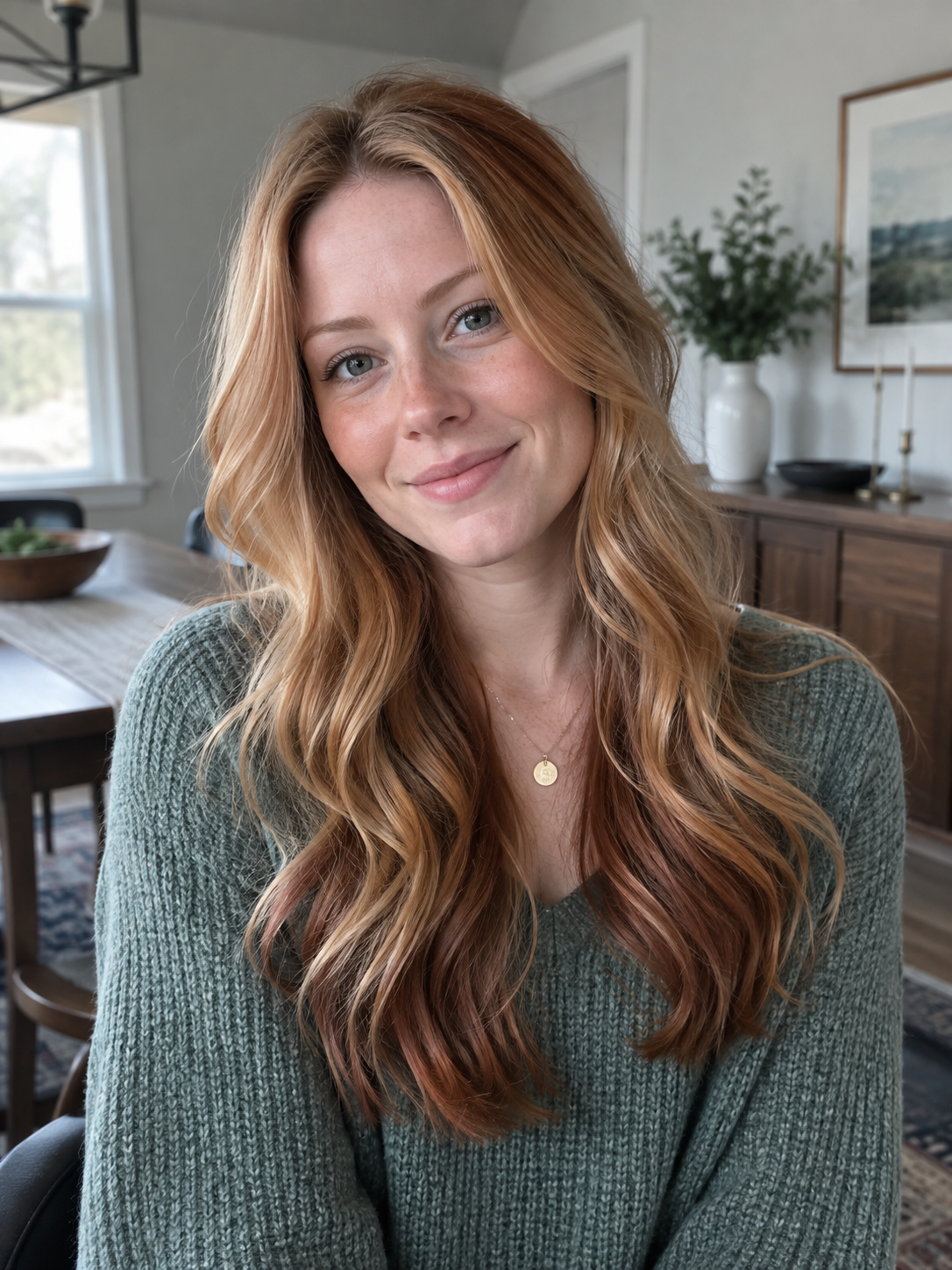
Strawberry blonde with copper lowlights underneath is the warm outlier on this list. The copper is placed in the underlayer and ends, and it makes the strawberry read as a real red-blonde instead of a faded one. Fair, warm skin tones suit it best. The maintenance is the honest part: copper is the fastest-fading tone in hair color, and it will lose its brightness within a month. A copper-depositing conditioner at home helps between glosses.
Comments
No Comments