
A butterfly cut for short hair keeps the airy, layered DNA of the original style but adapts it to chin or shoulder-grazing lengths. Instead of dramatic long cascades, this version focuses on crown lift and soft face-framing pieces. The goal is volume without bulk. It works well for fine to medium hair that needs movement. When shaped correctly, butterfly cut short hair looks bouncy, light, and easy to style without demanding a full blowout every day.
Why Butterfly Cut Short Hair Feels So Flattering
Butterfly cut short hair works because shorter strands hold lift better at the crown. Layered top sections create height, while feathered ends prevent heaviness near the jaw. The result looks airy instead of stacked or boxy.
Another advantage is manageability. Shorter butterfly layers dry faster and need fewer products. The shape often falls into place with minimal effort, which makes it ideal for busy mornings.
Butterfly Cut Short Hair Styles Worth Trying
Short Butterfly Bob with Lifted Crown
A short butterfly bob keeps the perimeter near the chin while stacking layers through the crown. The shorter top pieces create volume, and longer face-framing sections soften the jawline. The cut feels structured but not stiff.
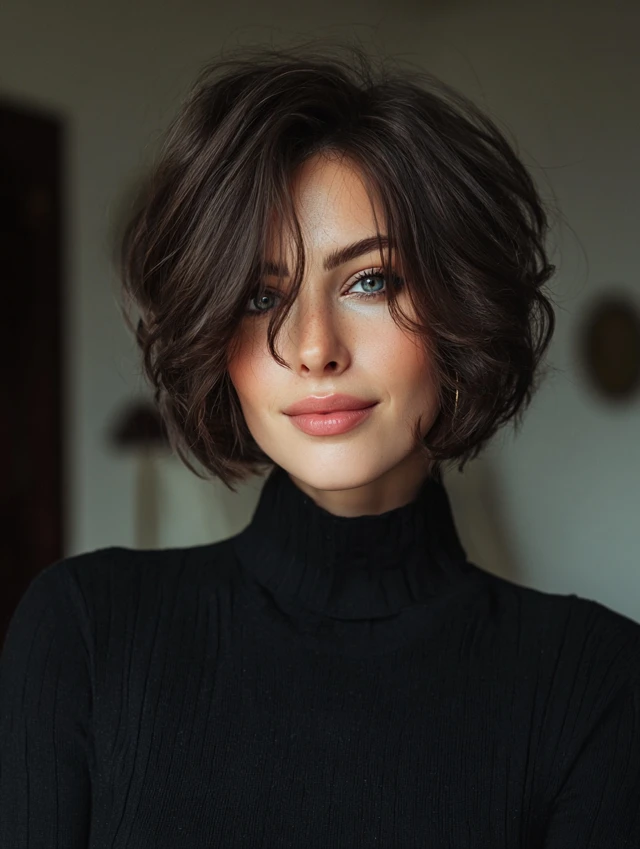
This version suits fine to medium straight or slightly wavy hair. Blow-dry upward at the roots for bounce. It works for office wear, everyday errands, and polished casual looks.
Shoulder-Grazing Butterfly Cut
A shoulder-grazing butterfly cut keeps more length while maintaining layered lift. Crown layers add movement, and feathered ends prevent the style from looking blunt. The shape feels balanced and modern.
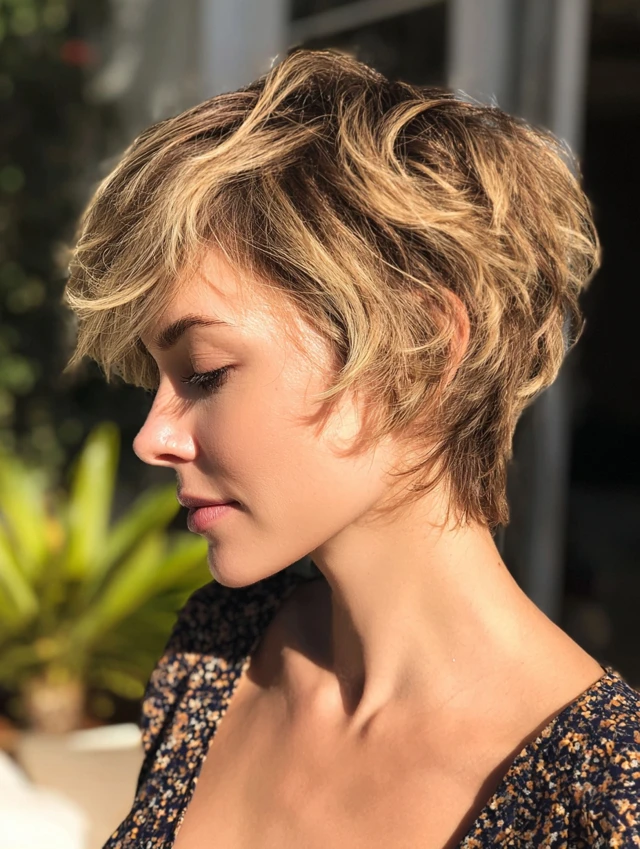
This option fits medium-density hair best. Air-dry cream or a quick round-brush blowout finishes the look. It works for school, commuting, and relaxed social plans.
Short Butterfly Cut with Curtain Bangs
Adding curtain bangs enhances the layered effect and frames the face softly. The parted fringe blends into cheek-length pieces, creating flow instead of a harsh line. Crown volume keeps everything lively.
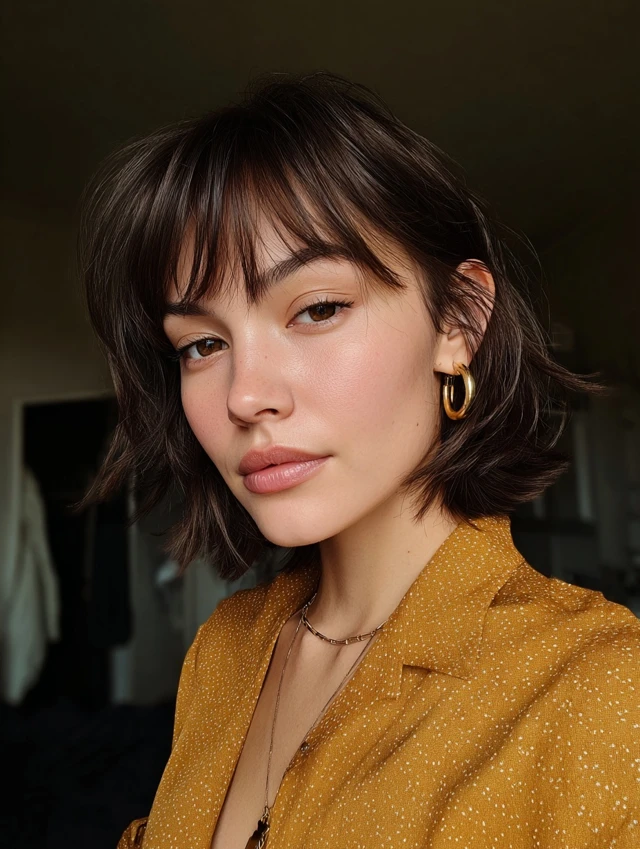
This style suits fine to medium hair. Blow-dry the bangs lightly, then finger-style the rest. It works for brunch, creative workspaces, and effortless everyday styling.
Textured Short Butterfly Cut
A textured short butterfly cut leans into broken layers and feathered tips for extra movement. The crown stays lifted, while the perimeter remains soft instead of blunt. The layered top creates bounce without making the sides look bulky.
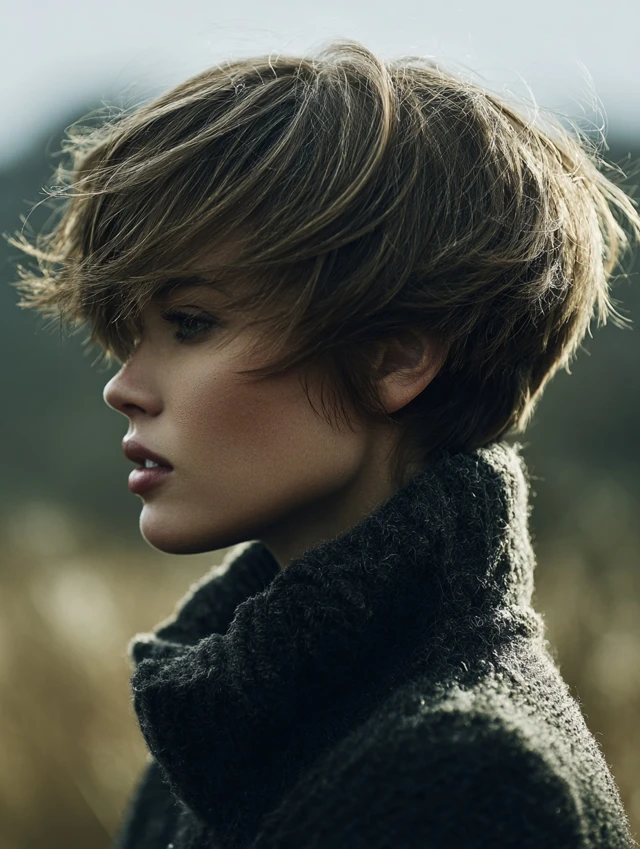
This version suits medium-density straight or wavy hair. Styling takes minutes with texture spray and light scrunching. It works for creative offices, casual weekends, and anyone who prefers effortless volume.
Short Curly Butterfly Cut
A short curly butterfly cut shapes curls with rounded crown layers and lighter ends. The structure prevents the classic triangle effect and keeps volume controlled at the sides. Soft face-framing pieces highlight cheekbones without heavy fringe.
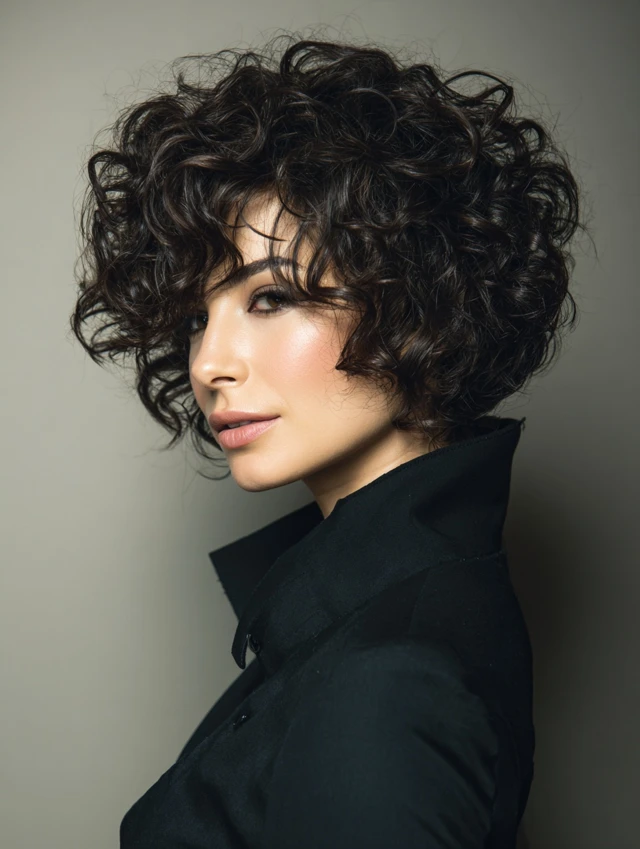
This style fits loose to medium curls with average density. Diffuse mainly at the roots for lift. It works for warm climates and wash-and-go routines.
Sleek Short Butterfly Cut
A sleek short butterfly cut keeps layering subtle and focuses on smooth, flowing lines. Crown lift stays soft rather than dramatic. The ends remain feathered so the shape moves instead of sitting stiff.
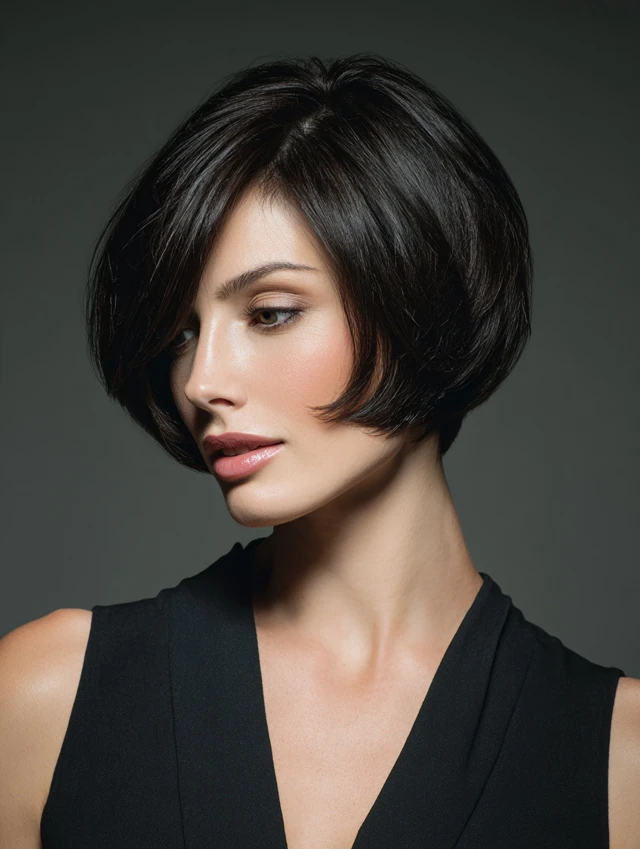
This option suits fine to medium straight hair. Blow-dry with a round brush for polish. It works for professional settings and minimalist wardrobes.
Butterfly Cut Short Hair Hairstyles
Butterfly cut short hair brings the signature layered, airy effect of the butterfly haircut into a more manageable length. This style focuses on creating volume at the crown while keeping the ends light and feathered for movement.

It frames the face beautifully, offering a soft yet structured look that feels modern and versatile. Whether styled sleek or tousled, short butterfly cuts deliver dimension and bounce, making them perfect for those who want a fresh, stylish upgrade without committing to long hair.
Classic Short Butterfly Cut with Soft Layers
A classic short butterfly cut uses soft, blended layers to create natural volume and movement throughout the hair. The shorter length keeps it light and easy to manage, while the layering adds dimension. This style works well for straight to slightly wavy textures, offering a polished yet relaxed finish.

It’s perfect for those who want a versatile haircut that can be styled quickly. The result feels fresh, modern, and flattering for a variety of face shapes.
Short Butterfly Cut with Curtain Bangs
Curtain bangs elevate the short butterfly cut by adding a face-framing element that enhances softness and balance. The bangs blend seamlessly into the layered sides, creating a cohesive and airy look. Volume at the crown keeps the style from appearing flat, while the shorter length ensures easy upkeep.

This variation suits many face shapes and works well for everyday styling. It offers a gentle, flattering appearance that feels both trendy and effortlessly wearable.
Textured Short Butterfly Cut with Choppy Layers
Choppy layers give the short butterfly cut a more defined, edgy feel while maintaining its signature volume. The texture creates separation and movement, making the style look fuller and more dynamic. This version is ideal for those who enjoy a slightly undone, modern vibe.

It works particularly well for medium to thick hair, enhancing natural density. The overall effect is stylish and bold, while still being easy to maintain and adaptable for different occasions.
Short Butterfly Cut with Side-Swept Bangs
Side-swept bangs add a soft, elegant touch to the short butterfly cut, creating a flattering angle across the face. The layered structure remains light and airy, with volume focused around the crown. This style works well for adding dimension without overwhelming finer hair types.

It’s a great choice for those who want a polished yet approachable look. The combination of movement and softness makes it suitable for both casual and more refined settings.
Wavy Short Butterfly Cut with Volume
Natural waves enhance the butterfly cut by adding texture and fullness that feels effortless and lively. The short length keeps the style manageable, while the layers encourage movement throughout the hair. Volume builds naturally at the top, creating a balanced silhouette.

This version works beautifully for wavy hair types, requiring minimal styling to look polished. It delivers a relaxed yet stylish appearance that feels modern and easy to wear every day.
Short Butterfly Cut with Feathered Ends
Feathered ends bring a light, airy finish to the short butterfly cut, softening the overall shape. The layers are styled to create gentle movement, giving the hair a breezy, lifted look. This style works well for those who prefer subtle texture over bold definition.

It’s easy to maintain and doesn’t require heavy styling products. The result is a soft, flowing hairstyle that captures the essence of the butterfly cut in a shorter, more manageable form.
Short Butterfly Cut with Blunt Ends
Blunt ends give the short butterfly cut a sharper, more structured finish while still maintaining airy layers on top. The contrast between soft layering and clean edges creates a modern, balanced look. Volume remains concentrated at the crown, adding lift without making the style feel bulky.

This version suits straight hair especially well, enhancing shine and definition. It’s perfect for those who want a polished haircut that still carries movement and dimension.
Layered Short Butterfly Cut with Face-Framing Pieces
Face-framing pieces elevate the short butterfly cut by drawing attention to key features like the cheekbones and jawline. The layers blend seamlessly into the shorter length, creating a soft yet dimensional effect.

This style works well for various hair textures and adds natural movement without overwhelming the face. It’s an ideal choice for those wanting a flattering, easy-to-style haircut. The result feels light, modern, and effortlessly put together for everyday wear.
Short Butterfly Cut with Wispy Bangs
Wispy bangs introduce a delicate touch to the short butterfly cut, softening the overall shape without adding heaviness. The light fringe blends gently into the layered sides, enhancing the haircut’s flow. Volume at the crown keeps the look lively and balanced.

This variation is perfect for those who prefer subtle detailing over bold statements. It works well across different hair types, offering a youthful, airy appearance that’s easy to style and maintain.
Short Butterfly Cut with Tousled Texture
Tousled styling gives the short butterfly cut a relaxed, effortless vibe that feels naturally stylish. The layers are enhanced with light texture, creating movement and volume throughout the hair. This version is great for those who enjoy low-maintenance looks that still appear intentional.

It works particularly well for slightly wavy or textured hair. The result is a casual yet chic hairstyle that feels modern, versatile, and perfect for everyday wear.
Short Butterfly Cut with Deep Side Part
A deep side part adds instant volume and drama to the short butterfly cut, creating a bold yet flattering silhouette. The shift in parting enhances the layered structure, allowing the hair to fall naturally with movement.

This style works well for adding lift to finer hair types while maintaining a polished finish. It’s a great option for those who want a simple change that makes a noticeable impact. The overall look feels fresh and dynamic.
How to Nail Butterfly Cut Short Hair
Ask for layered shaping concentrated at the crown instead of thinning everywhere. Keep the perimeter soft so the cut stays fluid. Match the front layers to your jawline for balance. Use one volumizing product, not five. Blow-dry upward at the roots for lift, then leave the ends light. Trim every couple of months to keep the layers fresh.
Final Thoughts on Butterfly Cut Short Hair
Butterfly cut short hair works because it delivers lift without sacrificing manageability. Crown layers create bounce, feathered ends add softness, and the shorter length keeps styling simple. When customized properly, the cut grows out gracefully and adapts to busy routines.
Would you go for a textured finish, soft curls, or a sleek polished version? Do you like dramatic crown lift, or something more subtle and controlled?
Leave a comment