
Dutch braid hairstyles stand out because the braid sits raised above the scalp instead of blending inward. The technique crosses sections under rather than over, which creates bold texture and clear definition. Dutch braids work for casual days, workouts, formal events, and protective styling. They suit many hair lengths and textures when installed correctly. When done well, Dutch braid hairstyles look structured, sporty, and secure while still offering versatility.
Why Dutch Braid Hairstyles Stay Popular
Dutch braid hairstyles succeed because the braid pops outward. That raised effect creates depth and dimension, even on fine hair. It also holds firmly against the scalp, which makes it ideal for active routines.
Another advantage is adaptability. Dutch braids can be worn tight and sleek or gently pulled apart for softness. They work as single braids, doubles, or as part of larger styles.
Dutch Braid Hairstyles Worth Trying
Dutch Braid Pigtails
Dutch braid pigtails bring a youthful, playful energy while still looking polished and intentional. The braids start at the front and run down each side, creating a bold, structured appearance. This style keeps hair secure, making it ideal for busy days or active settings.
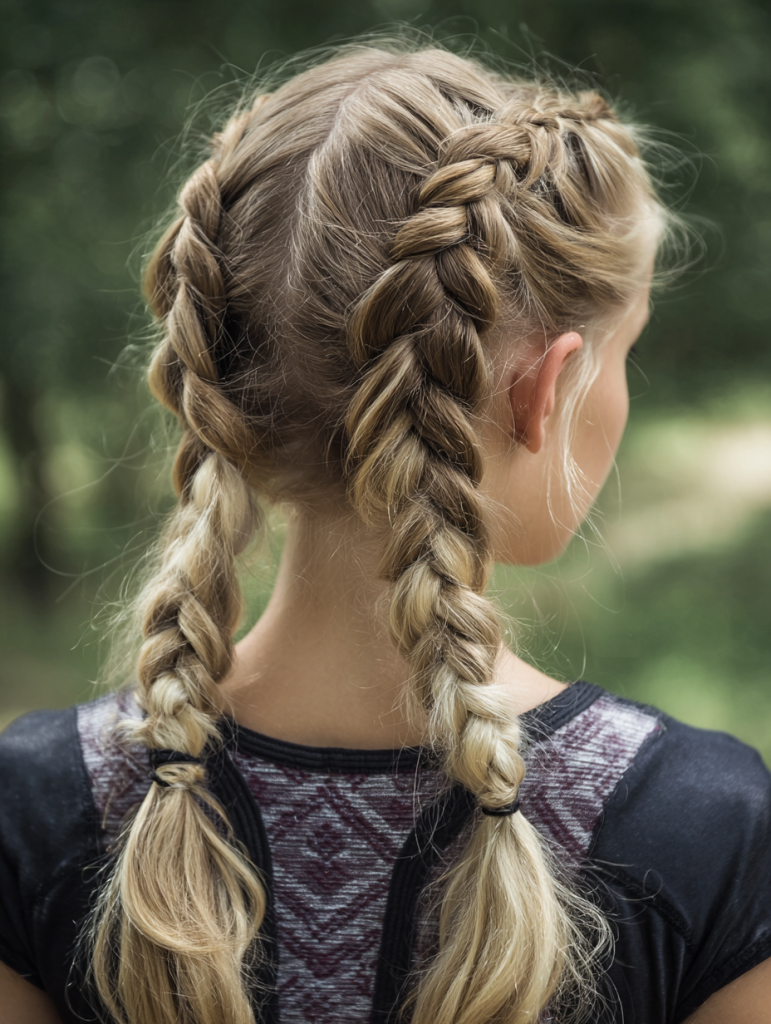
It works especially well on medium to long hair and suits a variety of textures. Loosening the braids slightly can soften the overall look, adding volume and a more relaxed, modern finish.
Dutch Braid with Loose Waves
Pairing a Dutch braid with loose waves creates a beautiful contrast between structure and softness. The braid usually begins at the crown or side, flowing into textured, wavy lengths. This combination adds dimension while keeping the style light and effortless.
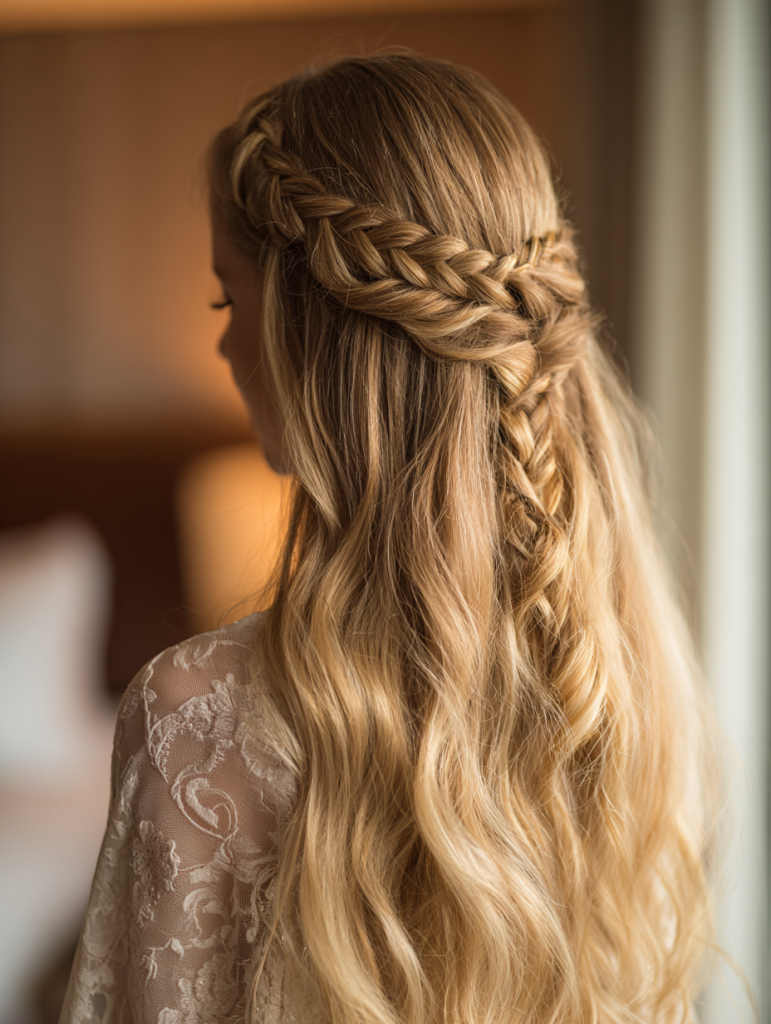
It’s perfect for occasions where you want something styled but not overly formal. The waves enhance movement, while the braid anchors the look, making it both practical and visually balanced.
Dutch Braid Mohawk
A Dutch braid mohawk delivers an edgy, standout look that’s full of personality and structure. The braid runs down the center of the head, mimicking the shape of a mohawk while keeping the sides sleek or loosely pulled back.
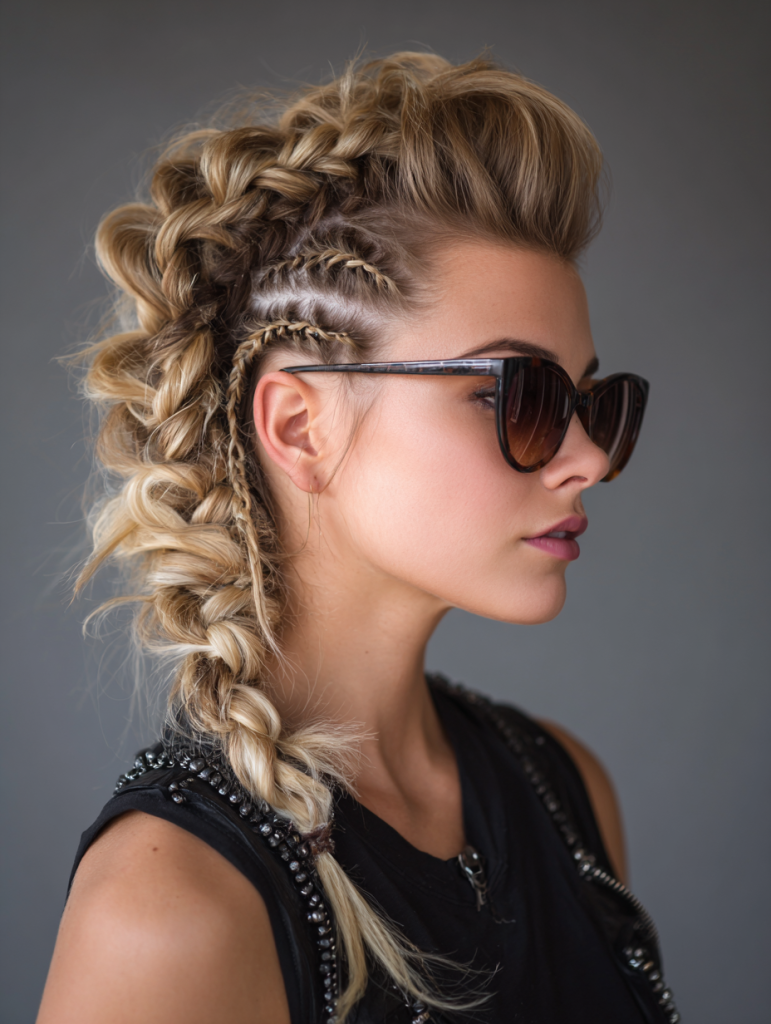
This creates a bold silhouette that draws attention to the crown. It works well on various hair textures and lengths, offering flexibility in styling. You can keep it tight for a dramatic effect or gently pull sections for added volume.
Low Ponytail with Dutch Braid
A low ponytail paired with a Dutch braid offers a subtle yet sophisticated hairstyle that feels effortlessly put together. The braid starts near the crown or side and flows into a low ponytail at the nape. This creates a smooth transition between the braided section and the gathered hair.
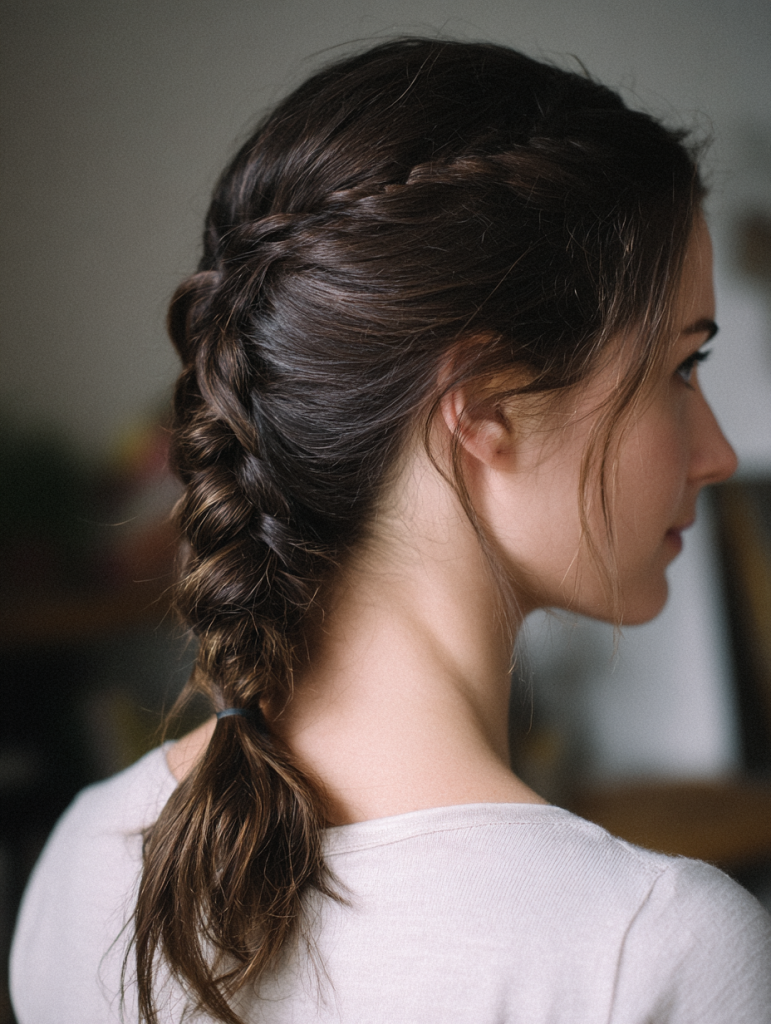
It’s perfect for both casual and professional settings, offering versatility and ease. Adding texture to the ponytail can enhance the overall look, giving it more depth and movement.
Dutch Braid with Ribbon Accents
Adding ribbon accents to a Dutch braid instantly elevates the style with a playful yet polished touch. The ribbon is woven through the braid, enhancing its raised texture and creating subtle color contrast. This look works beautifully for both casual days and special occasions, depending on the ribbon choice.
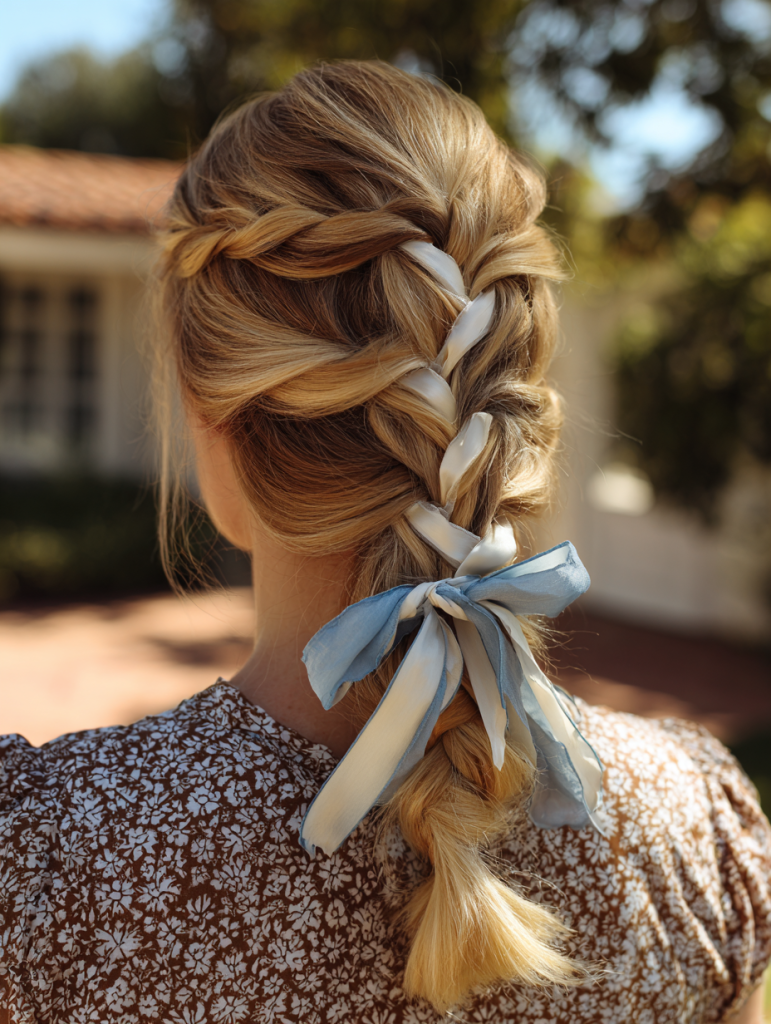
It allows for creativity while keeping the hairstyle structured and secure. Whether you match the ribbon to your outfit or choose a bold shade, the result feels intentional and eye catching.
Dutch Braid Updo
A Dutch braid updo offers a refined, elegant option that feels intricate without being overly complicated to achieve. The braid is incorporated into an updo, often wrapped or pinned into a low or mid bun. This creates a sculpted silhouette that keeps hair neatly in place throughout the day.
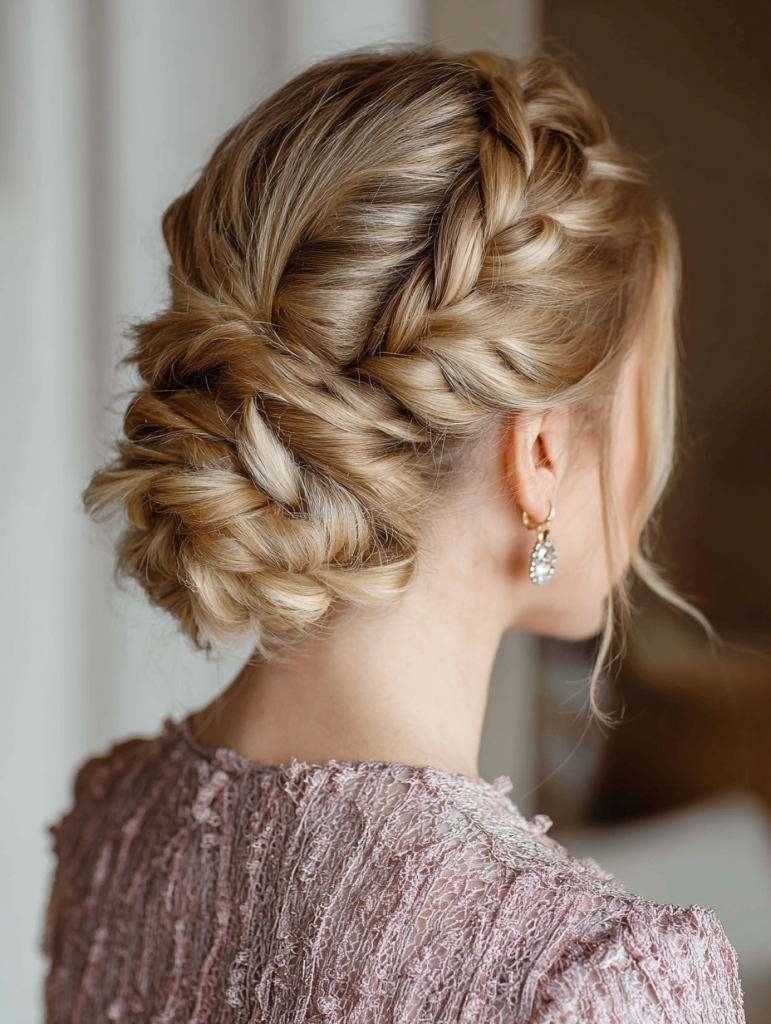
It works especially well for formal settings or long events where durability matters. Softly loosening sections adds volume and dimension, giving the style a romantic, modern finish.
Dutch Braid Space Buns
Dutch braid space buns combine playful energy with a trendy, fashion forward edge that stands out effortlessly. The hair is parted down the middle, with each section braided and twisted into buns on either side. This style keeps everything secure while still looking fun and expressive.
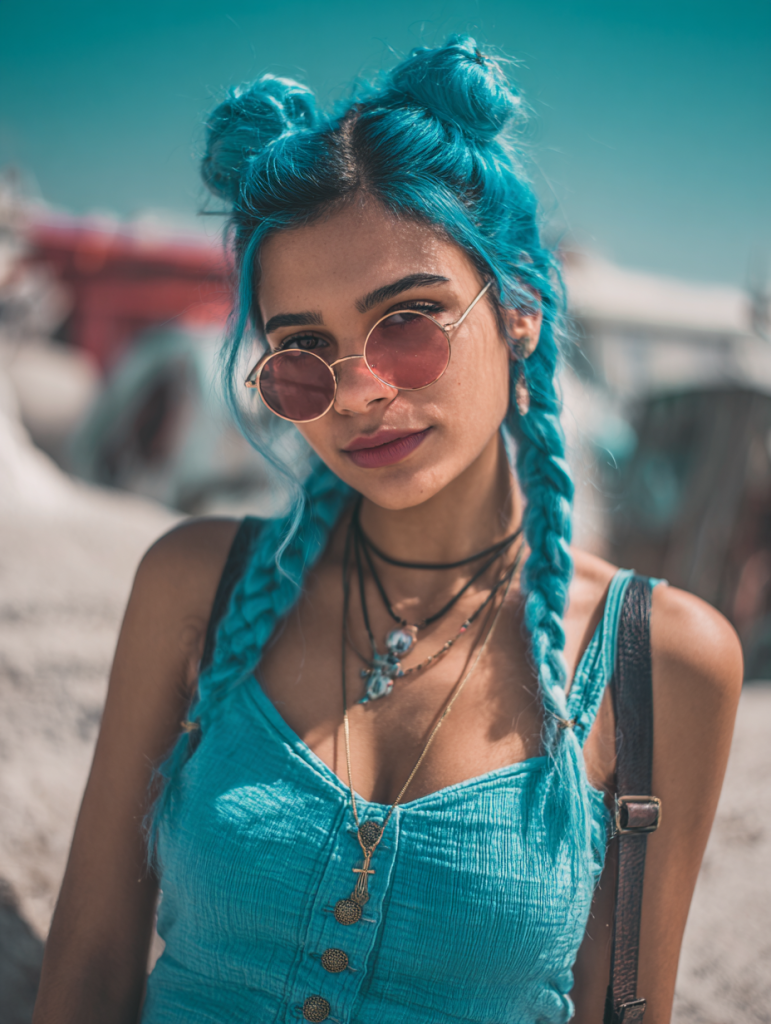
It works well on medium to long hair and suits a variety of textures. Adjusting the tightness of the braids or buns allows you to shift between a sleek look and a more relaxed, carefree vibe.
Messy Dutch Braid
A messy Dutch braid embraces texture and imperfection, creating a relaxed, lived in style that feels effortlessly cool. Instead of keeping the braid tight, sections are gently pulled apart to add volume and softness.
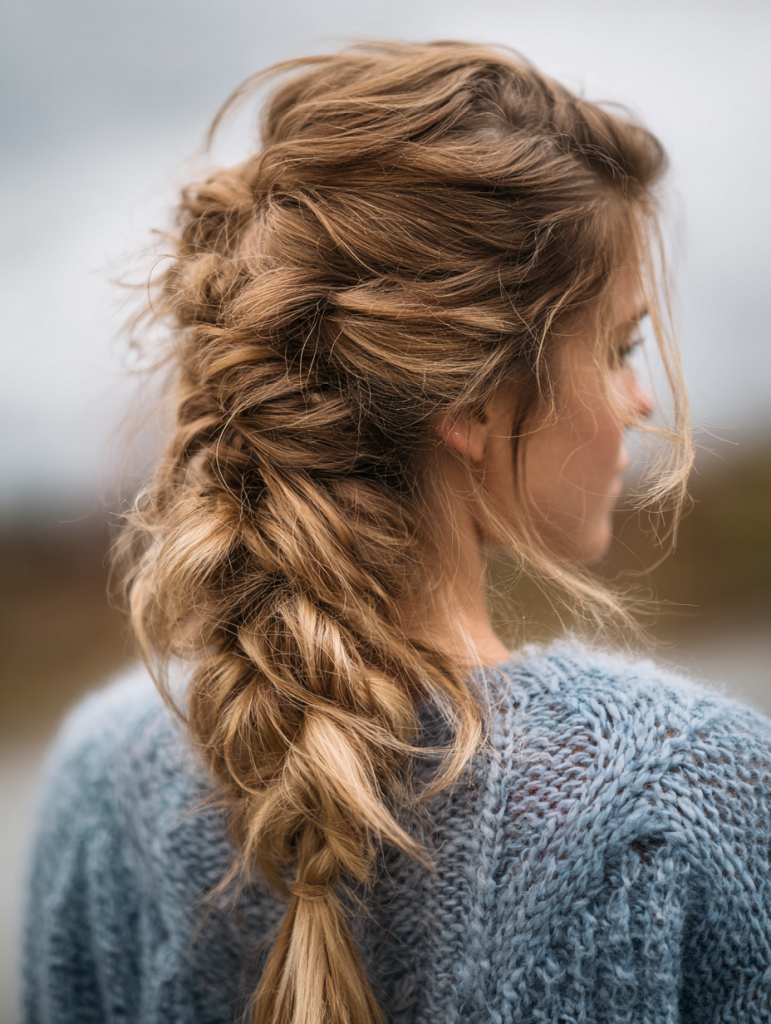
This gives the braid a fuller, more dimensional appearance that works beautifully with natural waves or curls. It’s an ideal option for casual days when you still want something styled. The slightly undone finish makes it feel modern while still showcasing the braid’s structure.
Dutch Braid with Fishtail Ends
Blending a Dutch braid with fishtail ends creates a detailed, eye catching hairstyle that feels both intricate and modern. The braid begins as a classic Dutch style near the crown, then transitions into a fishtail toward the ends. This contrast adds texture and visual interest without overwhelming the look.
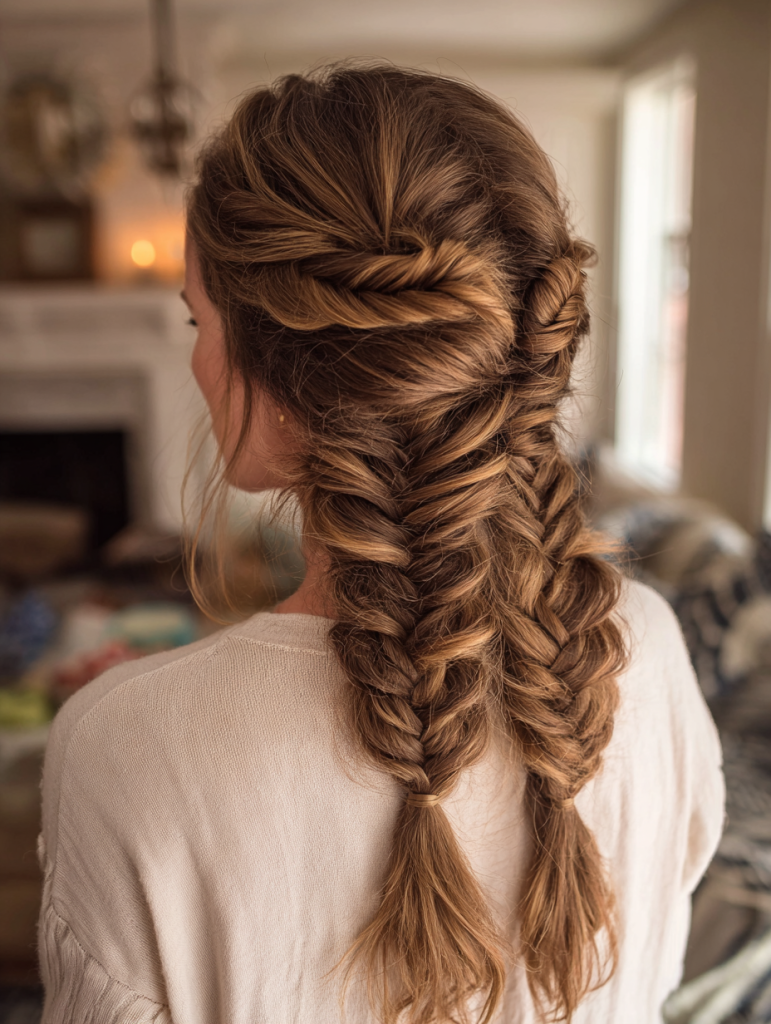
It works best on longer hair where the transition can fully stand out. Keeping the sections slightly loose enhances the dimension, giving the style a fuller and more relaxed finish.
Double Dutch Braids
Double Dutch braids run parallel from the hairline down to the nape. The symmetrical pattern feels balanced and sporty. The tight weaving keeps hair controlled and secure.
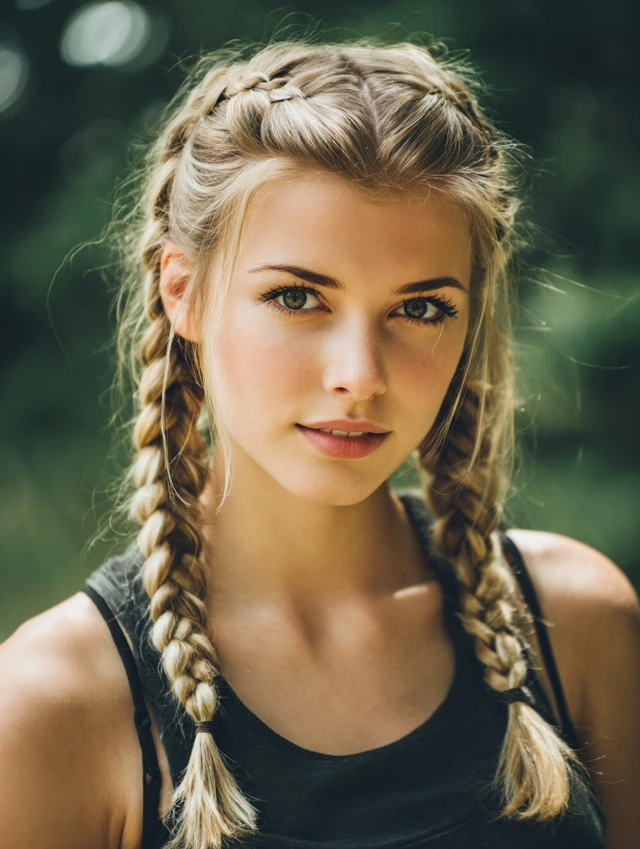
This version suits medium to long hair across most textures. It works well for gym sessions, school days, and busy schedules. Light gel helps keep the braid neat.
Dutch Braid Ponytail
A Dutch braid ponytail starts with a raised braid at the crown and finishes in a ponytail. The braid adds detail at the top while the ponytail keeps movement at the ends.
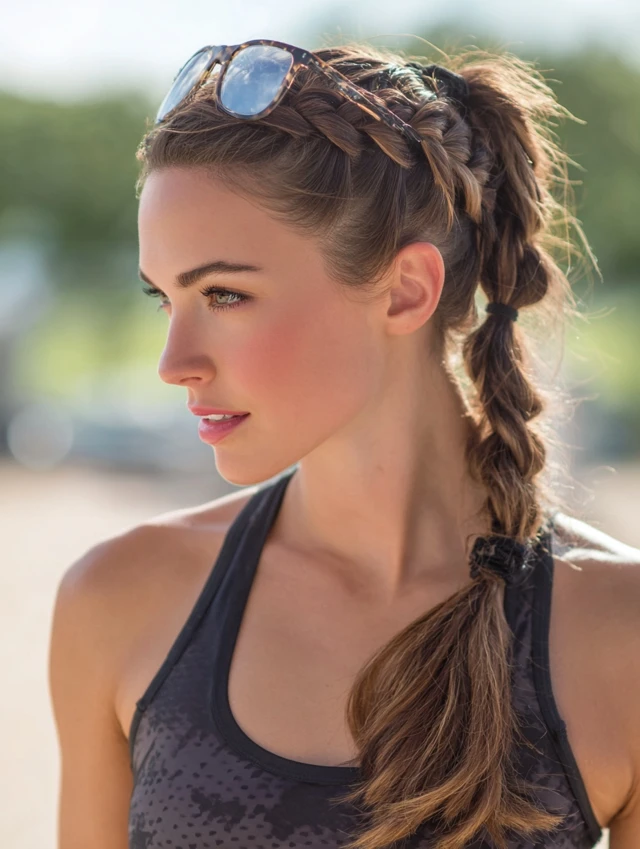
This style fits medium to long hair. It works for sports and casual outings. You can curl the ponytail for extra volume.
Dutch Crown Braid
A Dutch crown braid wraps around the head, creating a halo-like effect. The raised texture gives the style dimension and elegance. It keeps hair off the neck and face.
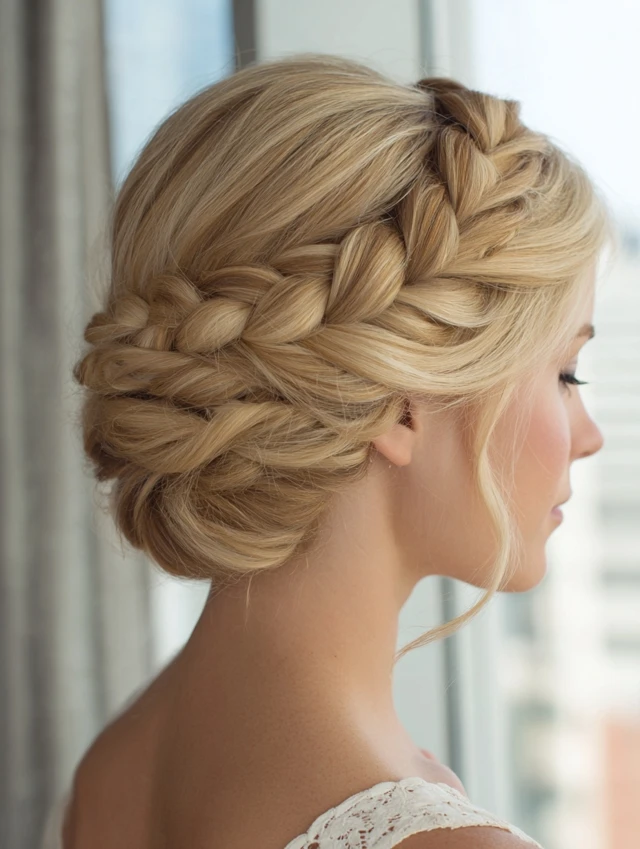
This option suits medium to long hair. It works for formal events and special occasions. Light hairspray helps maintain the shape.
Side Dutch Braid
A side Dutch braid begins near one temple and travels diagonally across the head. The raised weave creates bold texture, while the angled placement adds visual interest. The rest of the hair can stay loose or be braided fully.
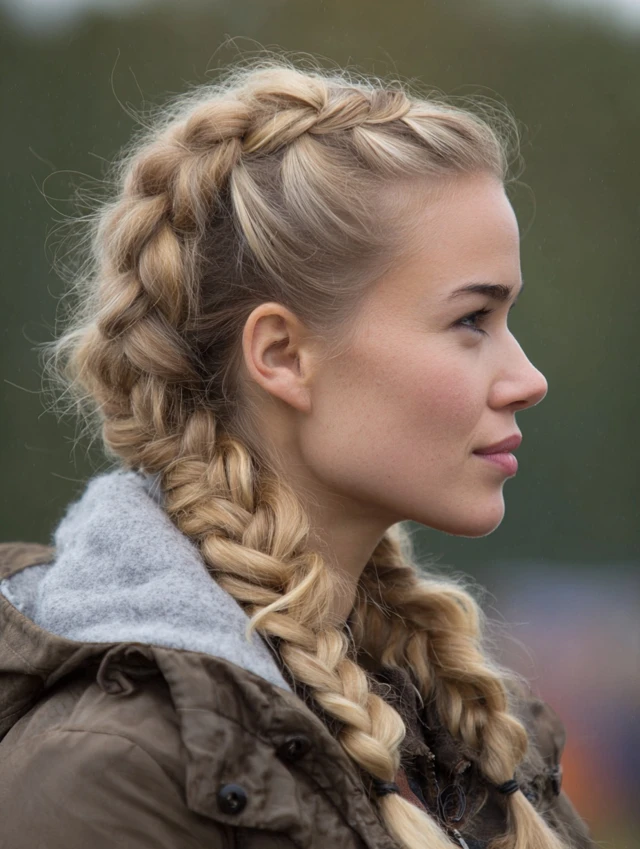
This version suits medium to long hair with straight, wavy, or textured strands. It works for casual days and outdoor events. Gently pull sections for a softer finish.
Dutch Braid Bun
A Dutch braid bun starts with a tight braid along the crown that feeds into a compact bun at the nape. The braid adds detail, while the bun keeps hair secure and polished.
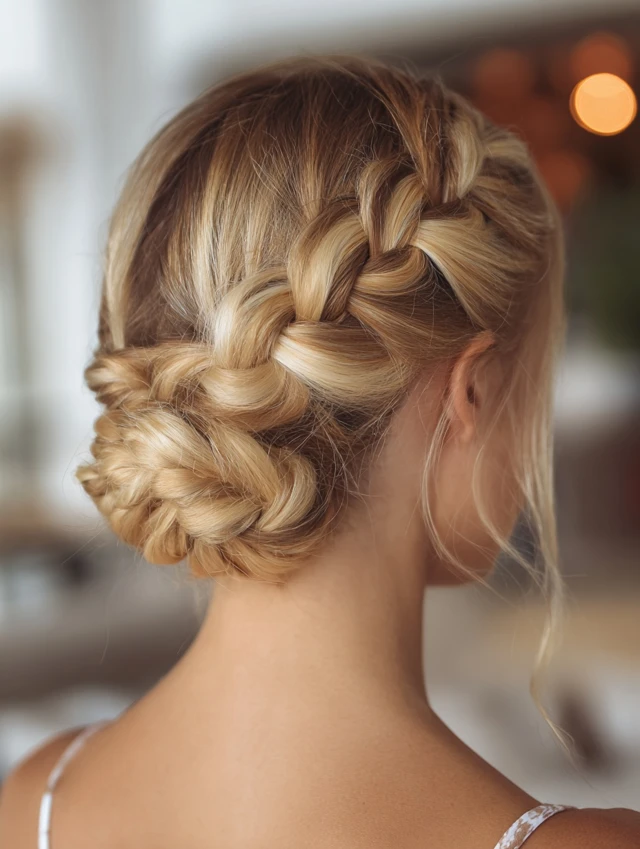
This style fits medium to long hair best. It works for formal settings, workdays, and long events. Secure with pins and light hold spray.
Half-Up Dutch Braid
A half-up Dutch braid gathers the top section into a raised braid while leaving the rest down. The lifted braid adds volume at the crown, and the loose length keeps the style relaxed.
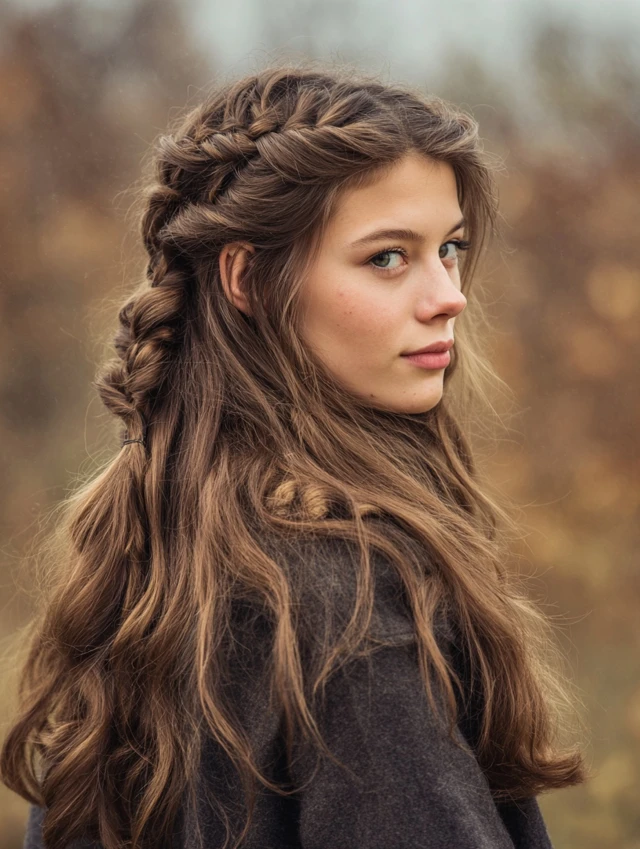
This option suits shoulder-length to long hair. It works for brunch, school, and casual evenings. Light waves enhance the contrast between braid and length.
How to Nail Dutch Braid Hairstyles
Start with slightly textured hair for grip. Divide hair into three sections and cross strands under instead of over. Keep tension even to maintain that raised effect. Add hair gradually as you move down the scalp. Secure firmly but comfortably. Finish with light hairspray and gently pull edges if you want more volume.
Final Thoughts on Dutch Braid Hairstyles
Dutch braid hairstyles stand out because they combine bold texture with reliable hold. From double braids to buns and crown styles, they adapt easily to different occasions and hair types. The raised weave creates structure without sacrificing versatility.
Which Dutch braid style do you prefer—double braids for sport, a crown braid for elegance, or a half-up version for everyday wear? Do you keep your braids tight and sleek, or slightly loosened for softness?
Leave a comment